
Why Is the Bay Area So Chilly Compared to Inland California? Blame ‘Karl’
This difference in temperature between the Bay Area and inland California stems from the marine layer, which coastal Californians are accustomed to seeing ebb and flow daily.
“Right now the marine layer’s deep and it’s keeping things on the cooler side,” said Brian Garcia, warning coordination meteorologist with the National Weather Service’s Bay Area office. “This highlights how lucky we are to live in paradise. We have a great temperature range right along the coast and in areas influenced by the marine layer.”
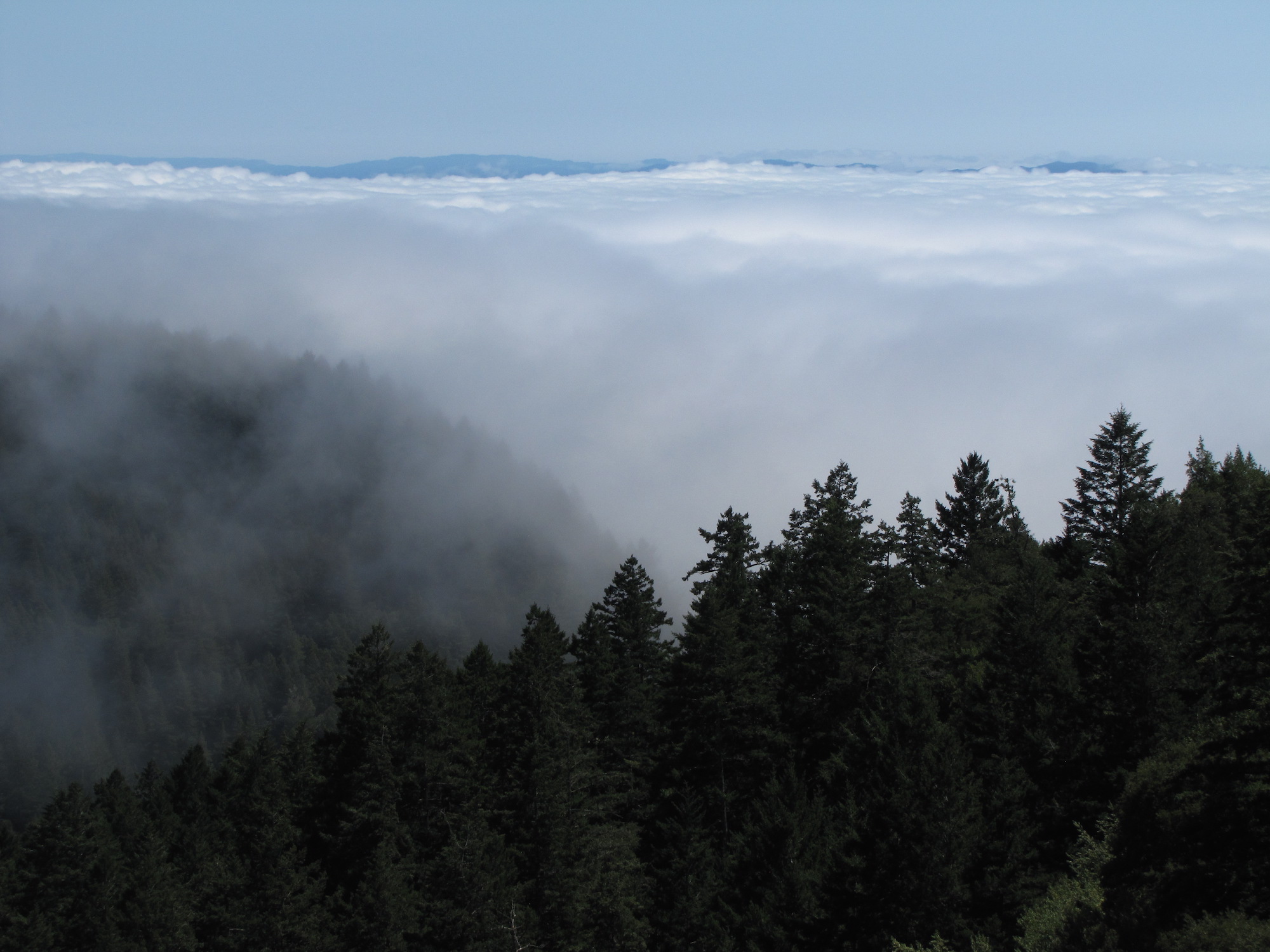
In San Francisco, residents often gauge whether it’s jacket weather by how far the marine layer — or as they lovingly, or not so lovingly, call “Karl” — is moving over Mount Sutro.
“What we’re experiencing here in the Bay Area so far, this late spring and early summer, is pretty darn near average,” Garcia said.
But how does the marine layer work?
The marine layer along the coast is a natural phenomenon where cool, moist air from the Pacific Ocean moves toward land. It’s often accompanied by fog and clouds that creep inland. This process takes place as the Pacific’s deep, cold water cools the air above it.
Over the past few weeks, “slightly stronger than normal sea breezes” have pushed this cold, moist air over the Bay Area, said Jan Null, a meteorologist who founded Golden Gate Weather Service.
Null said the reason it’s so hot in interior California is because a massive area of high pressure over the Southwest is blocking cooler ocean air from moving inland. This high pressure compresses air downward and in the process heats it up, leading to high temperatures.