
Where Trees Are Planted Matters Most When It Comes To Climate Change
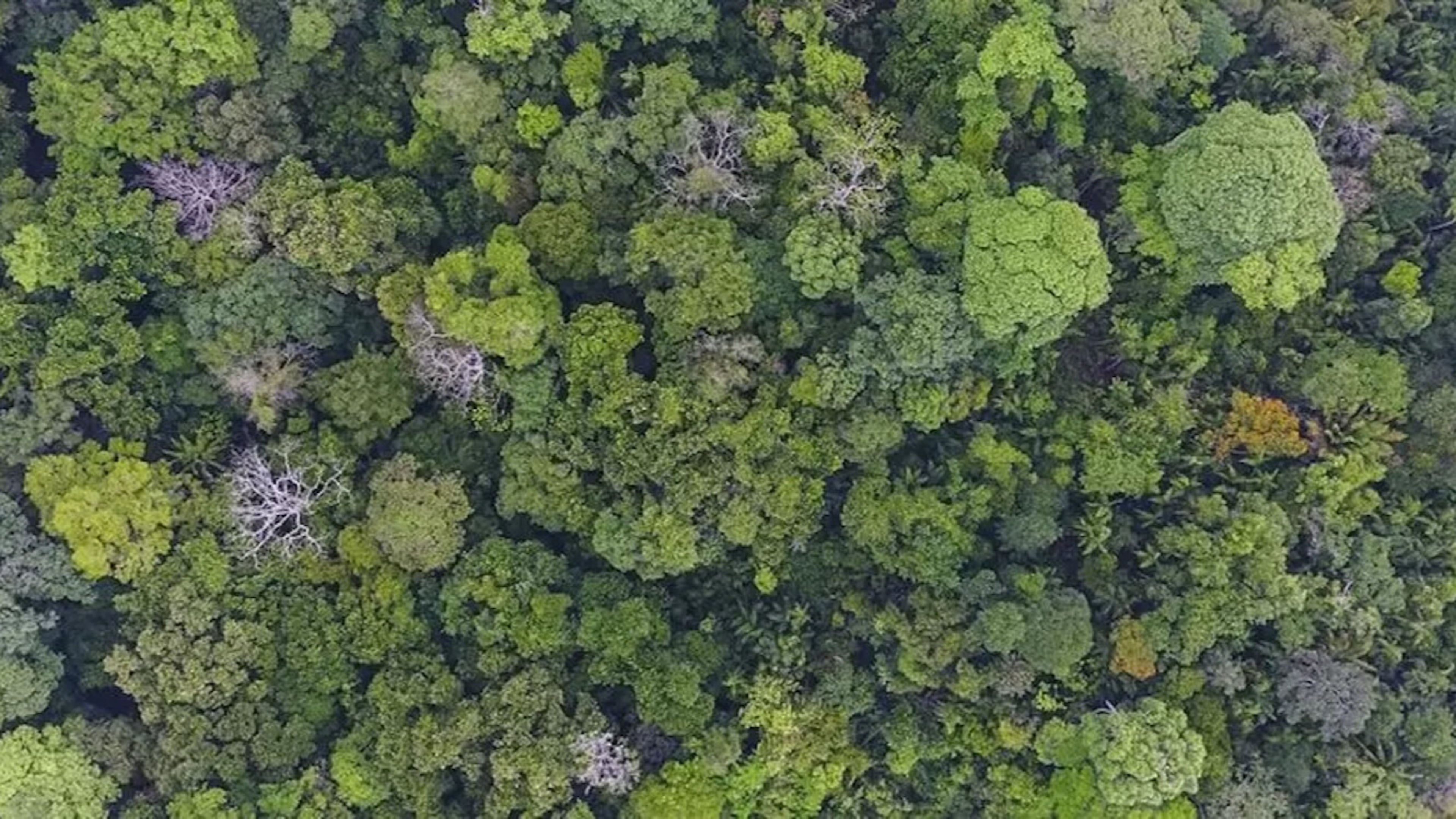
Some 300 tree species grow in 120 acres of old-growth forest at Barro Colorado Island, Panama.
(Christian Ziegler/U.S. National Science Foundation)
Planting more trees is often seen as one of the simplest ways to fight climate change, and it is. But a new study from UC Riverside shows that exactly where trees are planted matters just as much as how many are planted.
While trees can pull carbon out of the atmosphere and help reduce warming, the climate benefits are strongest in tropical regions, where trees grow year-round and provide multiple cooling effects.
‘Tree Sweat’ Can Help Fight Climate Change
The study, published in npj Climate and Atmospheric Science, highlights the physical processes behind tree cooling, beyond just carbon capture. One of the key processes is evapotranspiration, sometimes called “tree sweat.” Just as humans cool off when we sweat, trees pull water from the soil through their roots, transport it to the leaves, and release some of it into the air as vapor. This process not only cools the tree itself but also lowers the surrounding air temperature.

Weather in your inbox
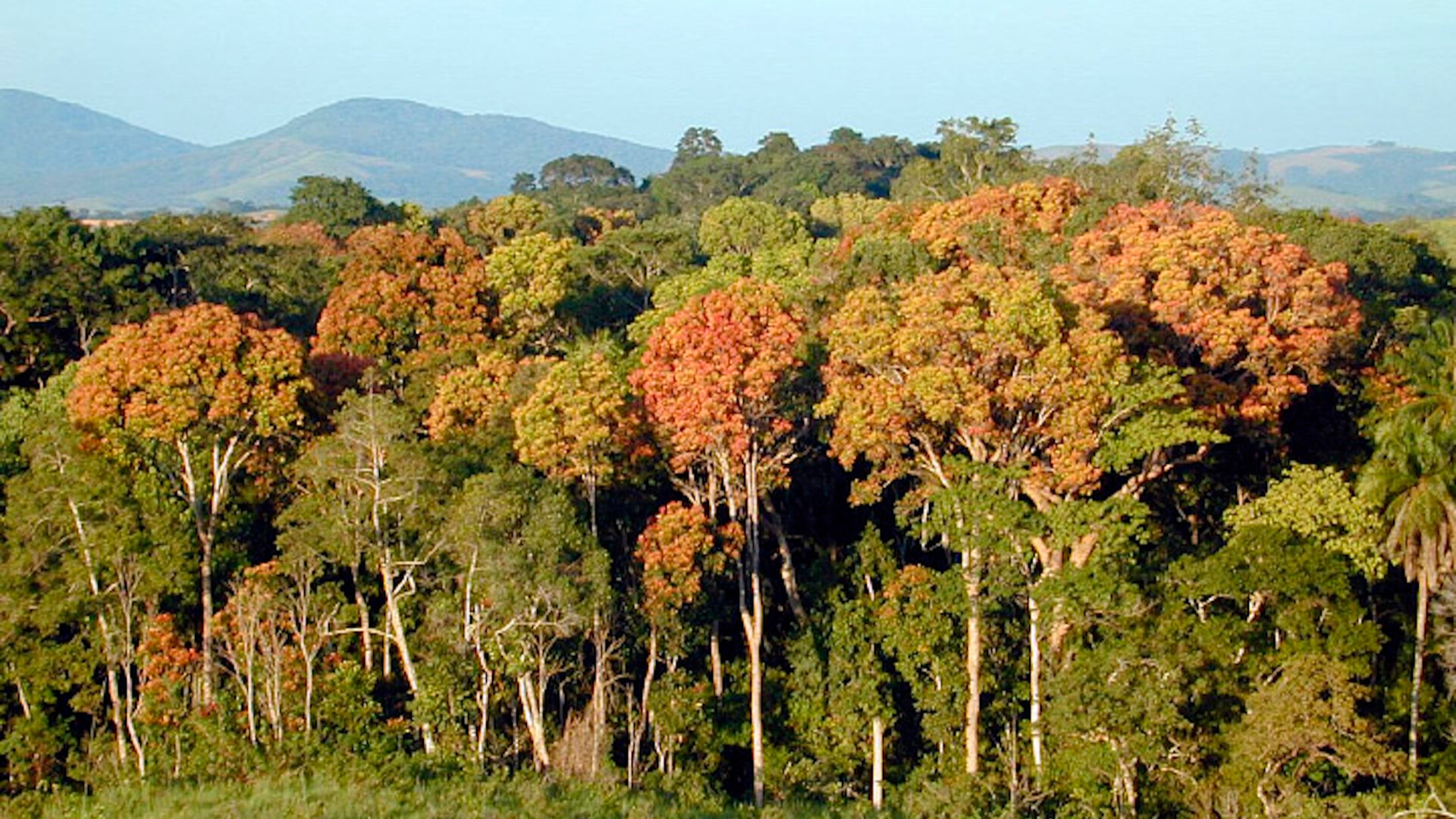
Tropical forests, such as those in Gabon, Africa, are an important reservoir of carbon.
(Sassan Saatchi, NASA/JPL-Caltech)
“In the tropics, there is constantly water available for trees, which increases transpiration,” said study author James Gomez, a UC Riverside graduate student. “Tropical trees not only pull carbon dioxide from the air, they also cool the air while releasing water vapor.”
Tropical trees provide additional cooling by influencing sunlight and cloud formation. Water vapor released by trees can raise local humidity, leading to more clouds, which block some sunlight from reaching the surface. Water vapor itself also absorbs solar energy, further reducing the amount of heat that hits the ground. These combined effects make tree planting in tropical regions especially effective, with local cooling reaching up to 0.8°F in areas like Central Africa.
Deforestation Is Occurring The Most In These Regions
However, the irony is that most of the world’s deforestation is occurring in these tropical climate zones, particularly in regions like the Amazon Basin, Central Africa and Southeast Asia. The region where we need trees the most is the very region where we are losing them the fastest. These areas are home to some of the planet’s most carbon-dense forests, which store massive amounts of carbon and provide critical habitat for biodiversity. Yet, they are under constant pressure from logging, agriculture and land development. The loss of these tropical forests not only releases carbon dioxide into the atmosphere but also diminishes the natural cooling effects that trees provide through evapotranspiration and shading.
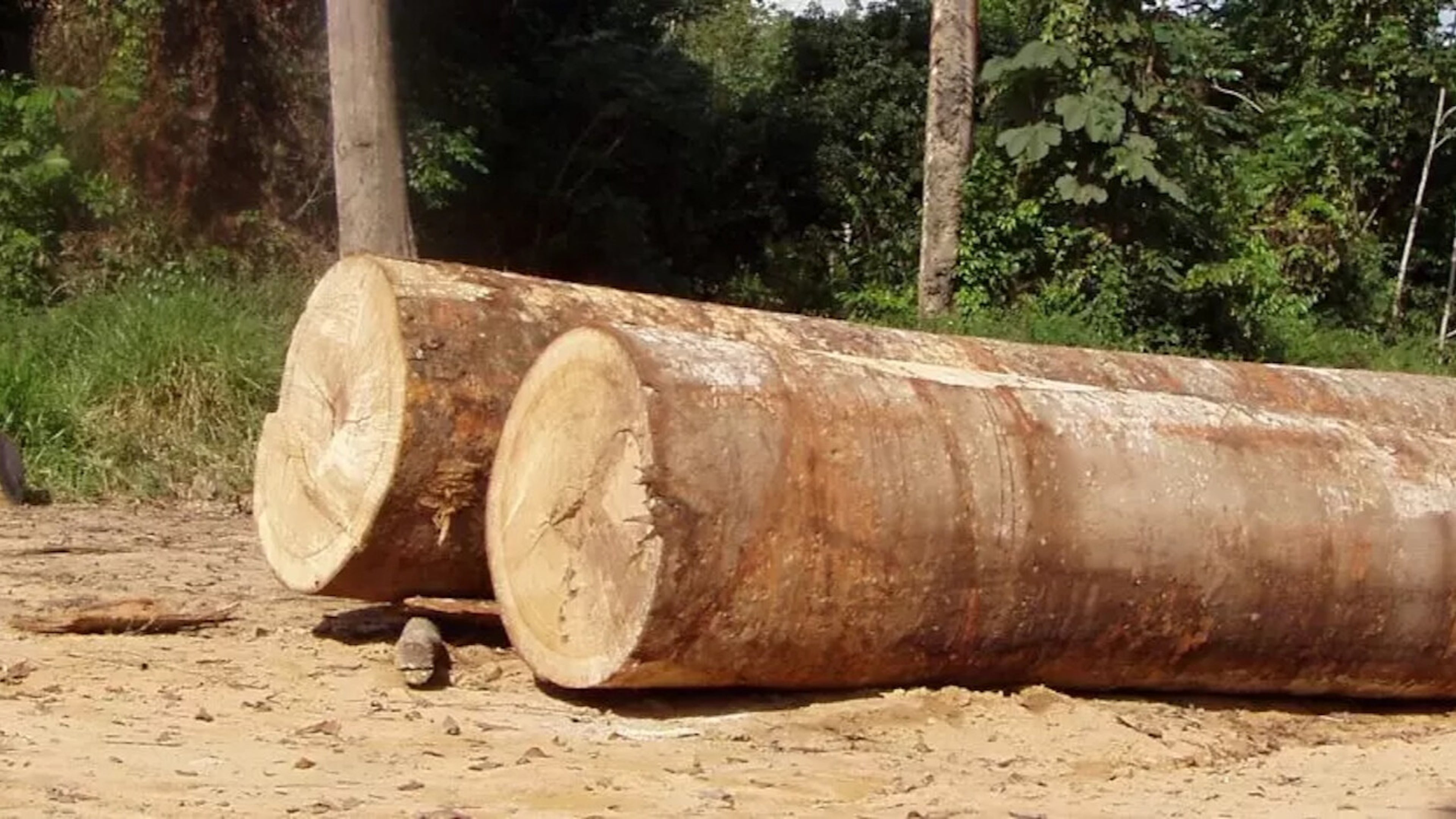
Freshly cut trees in Brazil’s Amazonian rainforest.
(Robert Walker, Geography Department, Michigan State University/U.S. National Science Foundation)
Trees’ Impact In Higher Latitudes
At higher latitudes, trees can have a slight warming effect because they absorb sunlight, particularly during the winter months when snow reflects light. In parts of Canada and the northeastern U.S., trees may also increase fire risk. Gomez emphasized that this doesn’t mean trees should be removed from these regions. They provide numerous ecological benefits, from carbon capture to habitat protection. However, planting strategies need to be carefully considered.
While tree planting in higher latitudes may increase fire risk, they actually reduce fire risk in tropical savannahs, where trees are more fire-resistant than grasses. By combining carbon capture, cooling effects and fire suppression, strategically planting trees could provide multiple climate benefits, particularly in tropical regions.
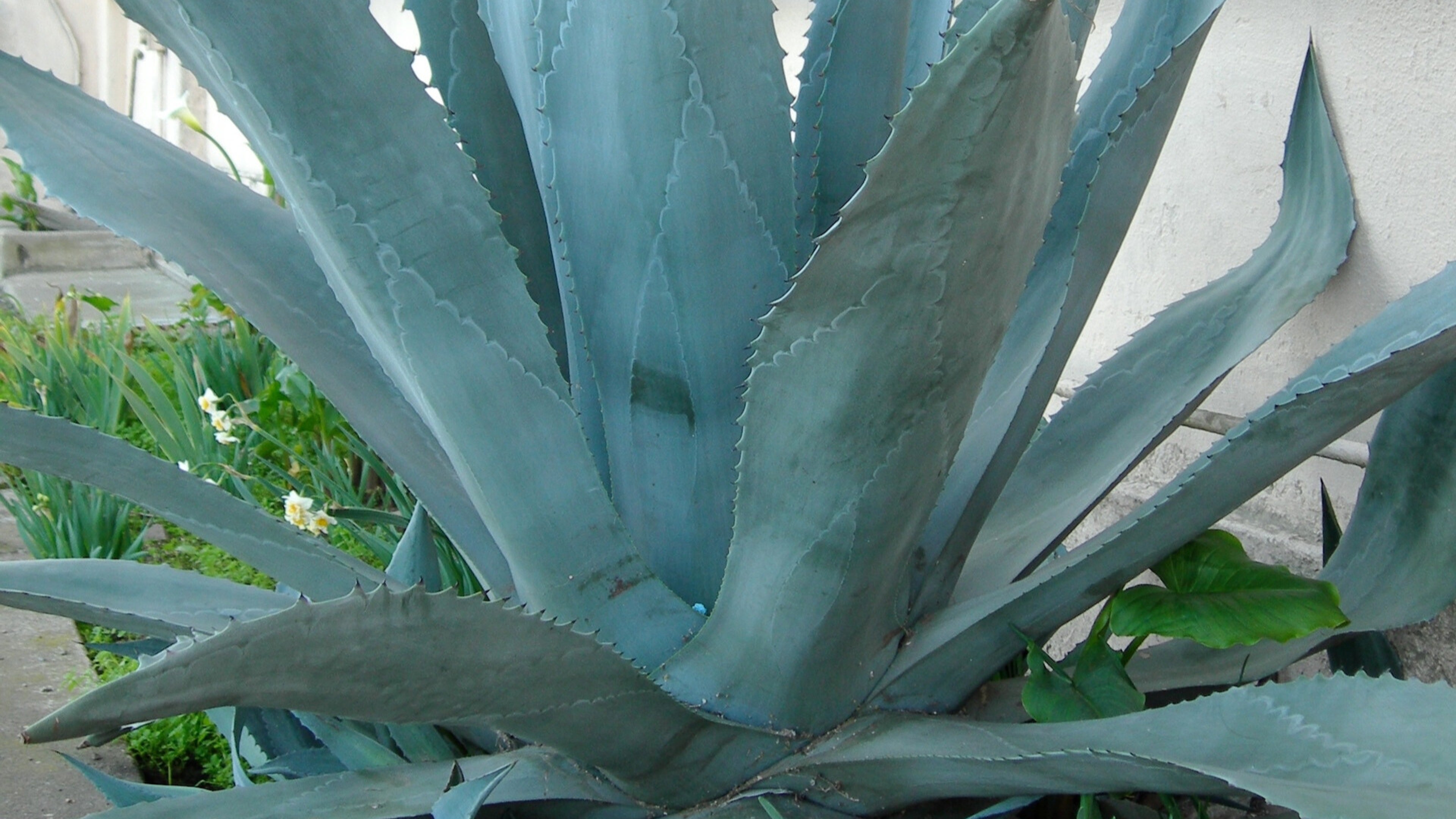
Plants such as aloe and agave are considered fire resistant and help capture carbon in the atmosphere.
(National Park Service)
Ultimately, planting trees is a net positive for the planet, however, not all trees are equal when it comes to fighting climate change. To maximize benefits, focusing on planting in the right places, especially in the tropics, where trees can pull carbon from the air, cool the land and even help prevent fires, is key. After all, it’s not just about planting more trees, it’s about planting the right trees, in the right places.
Jennifer Gray is a weather and climate writer for weather.com. She has been covering some of the world’s biggest weather and climate stories for the last two decades.