
Veolia removes toxic PFAS chemicals from drinking water in New Castle County, Delaware
From Philly and the Pa. suburbs to South Jersey and Delaware, what would you like WHYY News to cover? Let us know!
Water provider Veolia is removing toxic PFAS chemicals from drinking water for more than 100,000 New Castle County residents — meeting federal regulations four years before a compliance deadline.
The investor-owned utility unveiled a $35 million treatment facility in Stanton this week, where the so-called “forever chemicals” were previously detected at high levels.
The PFAS treatment facility, which is the size of a regulation hockey rink and boasts 21 towering filters that can treat 30 million gallons of water per day, is Veolia’s largest in the U.S.
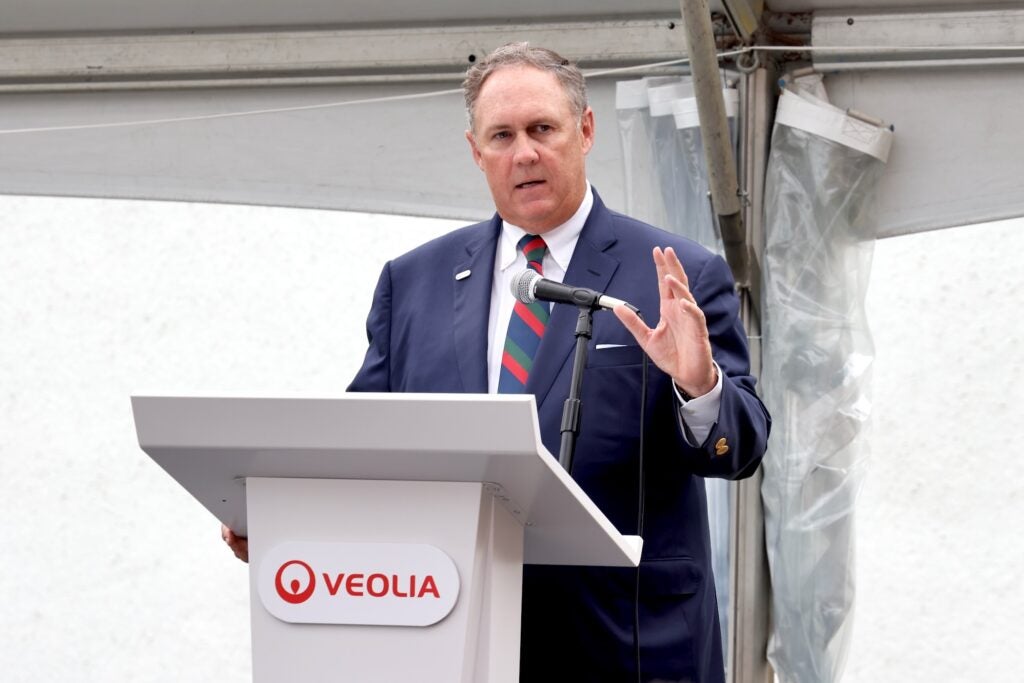
“Today starts that new chapter of ensuring that we are providing the highest quality water to the communities that we serve, and I think our customers can rest assured that we’ll be there for generations to come with this new facility,” said Larry Finnicum, regional president of mid- Atlantic operations for Veolia North America.
PFAS — widely used in consumer products such as nonstick cookware and waterproof clothing, as well as in firefighting foam — have been linked to serious health problems, including some cancers, thyroid disease, developmental delays in children and other health conditions.
The health risks associated with PFAS, which can stay in the human bloodstream for years, have sparked numerous lawsuits against chemical manufacturers, such as DuPont and 3M.
About a third of Veolia’s water supply is sourced from the Red Clay Creek, which environmental regulators say is contaminated with high levels of “forever chemicals.” The area is home to chemical companies, but the source of contamination in the creek has not been determined.