U.S. Oil Exports: U.S. Leads In Oil Exports As Solar Energy Surpasses Coal For The First Time
This week marked a pivotal moment in the energy sector of the United States, reflecting both remarkable progress in renewable sources and a continued commitment to traditional fossil fuels. For the first time ever, solar energy generation in the country has surpassed coal, signaling a profound transformation in the nation’s electricity market. Simultaneously, the U.S. has established itself as the world’s largest oil exporter, overtaking long-standing players like Saudi Arabia and Russia. These twin developments underscore the complexity and evolving nature of American energy policy amid global economic and geopolitical shifts.
At the heart of this evolution is an ongoing debate about the roles of coal, oil, and renewable energy sources in powering the nation’s economy. The Trump administration has reiterated its support for coal and oil as crucial components of the country’s energy independence and economic growth. Nevertheless, market dynamics are rapidly shifting toward cleaner, more cost-effective alternatives, with solar energy experiencing unprecedented growth due to technological innovation, decreasing costs, and favorable market conditions.
This article delves into the recent milestones achieved in U.S. energy production, the factors driving these changes, and the implications for the nation’s energy future amid fluctuating geopolitical tensions and complicated policy agendas.
Solar Energy Outpaces Coal For The First Time
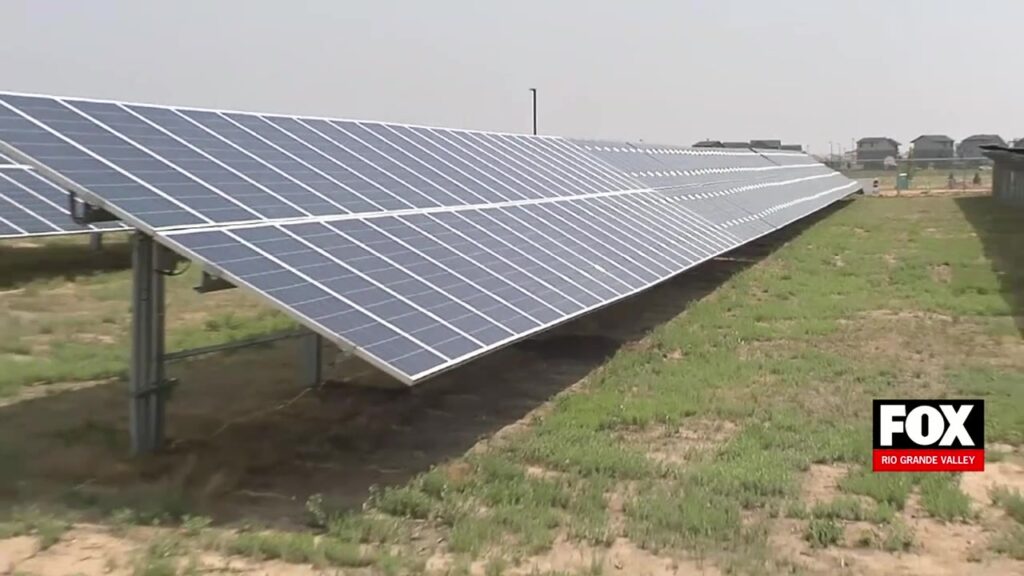
In a landmark shift in May’s energy production data, solar energy accounted for approximately 12.8% of the United States’ total electricity generation, narrowly surpassing coal’s contribution of 12.2%. This marks the first time in history that solar has outproduced coal, a milestone indicative of both market forces and technological advancement. Solar power has become the third largest source of electricity, trailing only natural gas and nuclear energy.
Experts attribute this rapid growth to the steep decline in solar panel costs and increased efficiency, which have made solar power the cheapest source of electricity during daylight hours on a per-unit basis. Utility companies and grid operators across the country have increasingly integrated solar systems into their energy portfolios, recognizing the dual benefits of cost efficiency and environmental responsibility.
The Trump administration remains a vocal supporter of coal, emphasizing efforts to prevent coal plant closures and sponsor new capacity development. However, industry insiders note that building new coal infrastructure is a long-term endeavor with complex regulatory and financial considerations. Meanwhile, solar’s fast expansion reflects broad adoption at the local, state, and consumer levels, often fueled by declining installation prices and government incentives.
The transition also highlights a growing trend: energy markets are increasingly driven by economics and technological innovation rather than solely by policy directives. As solar continues to climb, it challenges preconceived notions about the viability of renewables in the United States and signals pivotal changes in how energy is produced and consumed.
U.S. Overtakes Global Oil Rivals
In parallel with renewable energy gains, the United States has attained a new position on the global fossil fuel stage. Recent figures show that the U.S. has surpassed Saudi Arabia and Russia to become the world’s largest oil exporter. Experts link this achievement partly to geopolitical developments, including tensions in the Middle East and the closure of the Strait of Hormuz—the vital waterway through which a significant proportion of global oil transits.
The disruption of traditional supply routes has increased reliance on American crude, bolstering exports and stimulating the domestic oil industry. This newfound export leadership demonstrates the resilience and capacity of U.S. energy infrastructure, particularly shale oil production, which has benefited from technological advances such as hydraulic fracturing and horizontal drilling.
Despite this triumph, energy analysts caution that global oil reserves have diminished to historic lows due to prolonged consumption and uneven replenishment. Restoring supply levels will require years, contingent upon the resolution of ongoing conflicts and stabilization of geopolitical relationships.
Oil prices have experienced volatility in response to these factors, temporarily dipping to about $85 per barrel following reports of a potential agreement with Iran. However, many experts remain wary of sustained price stability until global peace and supply replenishment efforts take hold, underscoring the sensitive balance in the oil markets.
Policy, Markets, And The Energy Future
The current energy landscape exposes the tension between federal policy focused on preserving fossil fuel industries and the accelerating momentum of renewable energy sources. The administration champions coal and oil as pillars of American energy independence and job creation, with regulatory rollbacks and initiatives aimed at supporting these sectors.
Conversely, solar and other clean energy technologies continue their rapid expansion, buoyed by falling costs, private investment, and growing consumer demand for sustainable alternatives. This competitive dynamic influences investment decisions, infrastructure development, and environmental considerations nationwide.
The evolving energy mix in the United States will likely result from an interplay between government action, market forces, and technological progress. Communities affected by these shifts, including workers in traditional industries and beneficiaries of renewable projects, face a period of adaptation. Stakeholders remain attentive to how national leadership, economic incentives, and innovation will shape a sustainable and prosperous energy future.
Ultimately, the United States stands at a crossroads where the balance between economic growth, environmental responsibility, and energy security demands thoughtful policy and collaboration across sectors.
Additional Resources
For comprehensive data and analysis on U.S. energy production, consumption, and policy, visit the U.S. Energy Information Administration.