
US chemical firm eyes 100 MW nuclear reactors to cut 500,000 tons CO2 emissions
Dow and X-energy are moving forward with an ambitious plan to power Dow’s massive chemical and plastics manufacturing site in Seadrift, Texas, using four advanced small modular reactors (SMRs). This project could eliminate roughly 500,000 metric tons of greenhouse gas emissions annually and replace aging natural gas-fired assets with nuclear-generated electricity and industrial steam.
On March 31, major chemicals and plastics manufacturer Dow’s subsidiary, Long Mott Energy LLC, formally submitted a construction permit application to the U.S. Nuclear Regulatory Commission (NRC), a pivotal step that might spark a major shift in industrial energy sourcing.
If approved, the Seadrift project would be the first U.S. commercial advanced nuclear plant dedicated to powering an industrial complex, according to the NRC. Although nuclear power has faced concerns over high-level waste, safety, and security, proponents argue that advanced reactor designs can better address these issues while offering stable, zero-carbon energy. Dow’s proposed facility is also supported by the U.S. Department of Energy’s Advanced Reactor Demonstration Program
Four advanced reactors for Seadrift
The Seadrift complex, spanning 4,700 acres near the Texas Gulf Coast, includes eight Dow-owned production plants and one operated by Braskem. It manufactures plastics, glycols, and chemical derivatives used in products ranging from food packaging and wire insulation to health and beauty formulas.
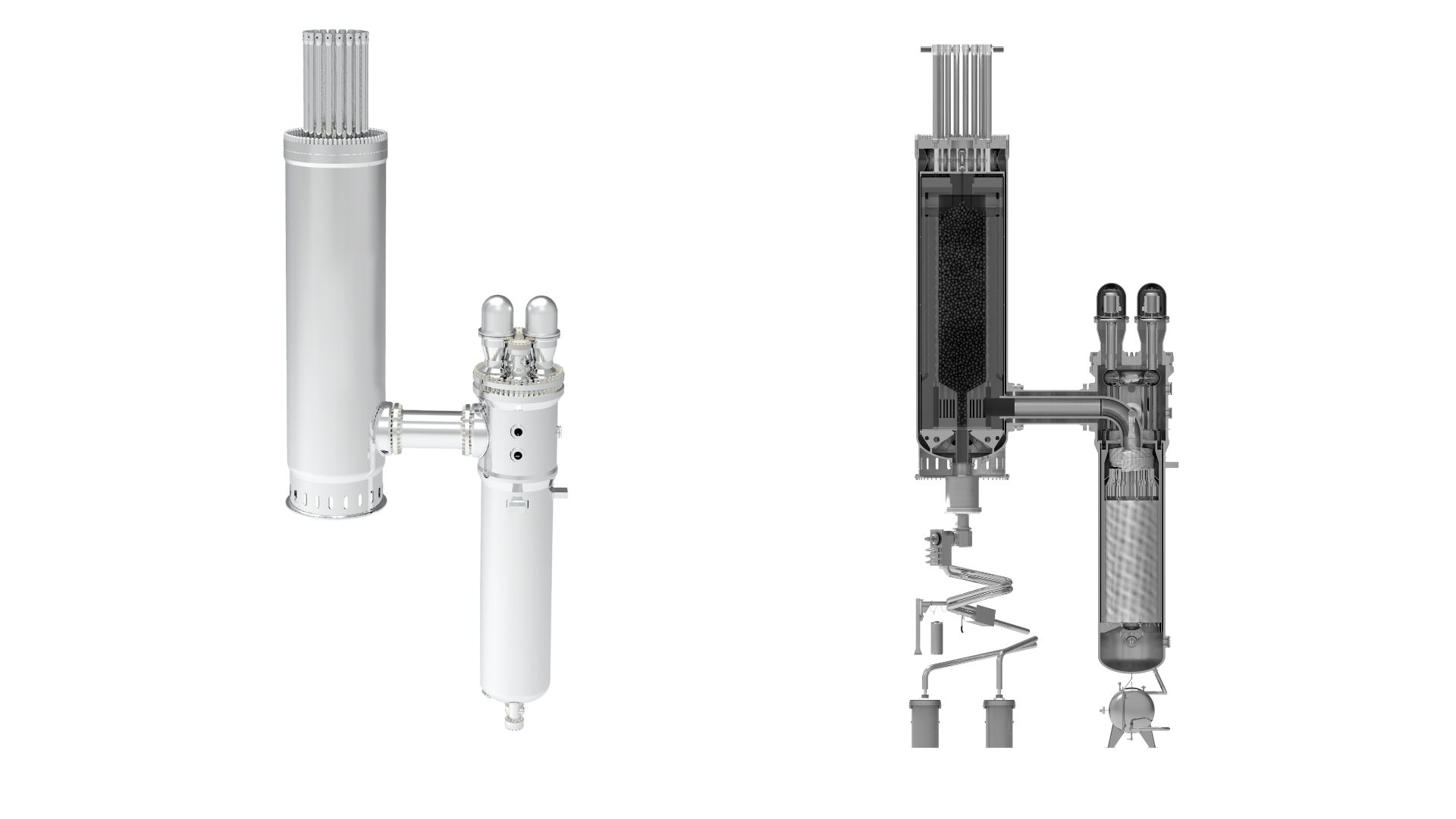
Under the plan, X-energy’s four Xe-100 small modular reactors, each capable of providing 80 megawatts of electricity or 200 megawatts of thermal power, would total up to 320 megawatts of electric or 800 megawatts of thermal. This would be a notable transition for Dow, traditionally reliant on natural gas, toward cleaner, carbon-free energy.
Edward Stones, Dow’s business vice president for energy and climate, called the NRC permit application “an important next step in expanding access to safe, clean, reliable, cost-competitive nuclear energy in the U.S.”
The company expects final approval and construction to coincide with the retirement of its older natural gas-based steam generators, potentially starting as early as the end of this decade. If the schedule remains on track, operations could begin in the early 2030s.
A possible blueprint for industry-wide change
Beyond Dow’s direct environmental gains, the project could serve as a blueprint for other energy-intensive industrial sites. With AI, data centers, and manufacturing all driving electricity demand and concerns over the impact of greenhouse emissions mounting, there is fresh momentum behind nuclear power in the United States.
Jonathan Clay Sell, CEO of X-energy, said the venture will show how next-generation nuclear can meet “incredible power demand growth across America.” X-energy has separately collaborated with Amazon to bring more than 5 gigawatts of nuclear power projects online nationwide by 2039.
Regulatory approval is not guaranteed, nor is public acceptance automatic. Critics such as the Union of Concerned Scientists continue to express worries over nuclear waste disposal and potential safety issues, urging caution as advanced reactor designs move from concept to reality.
Meanwhile, the NRC has been receiving a wave of similar applications. Alongside Abilene Christian University, Kairos Power, and Bill Gates’s TerraPower, Dow’s Long Mott Energy would mark the fourth advanced reactor construction permit request under the NRC’s review. Officials estimate the application could take up to three years to evaluate.
If granted, Dow’s Seadrift site stands to become a landmark in industrial decarbonization, providing a firm energy source that avoids wind and solar variability while mitigating the emissions footprint.