
Trump and Witkoff are Prolonging the War
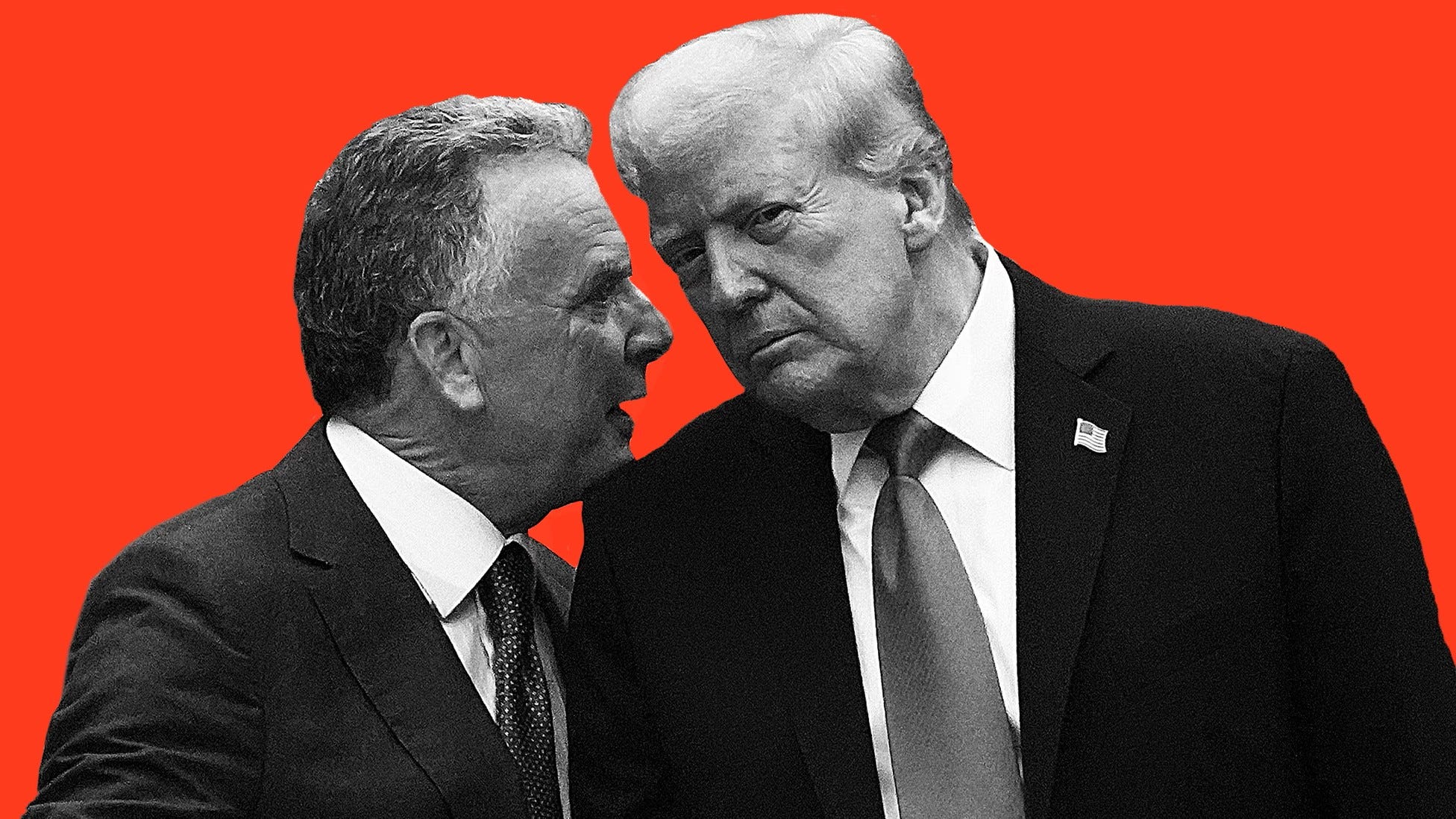
I wasn’t planning to write another article, given the rapid approach of Thanksgiving. But the leak to Bloomberg of Steve Witkoff’s phone conversation with Yuri Ushakov, Putin’s foreign policy advisor, was so infuriating that I did write, again, about Trump’s disastrous envoy and his disastrous negotiation, for the Atlantic:
Pay attention to the dates, because the timing matters. Steve Witkoff spoke with Yuri Ushakov, a Russian official, on October 14. Ukrainian President Volodymyr Zelensky held a meeting with President Donald Trump in Washington, D.C., on October 17. Trump had been hinting that he would offer to sell Tomahawks, long-range cruise missiles, to the Ukrainian army. But he did not.
Why not? Perhaps because Ushakov listened to Witkoff’s advice and persuaded Russian President Vladimir Putin to call Trump on October 16. Witkoff, in other words, may have helped block that sale. And that would make Witkoff responsible for prolonging the war.
I know many believe they have an explanation, but actually we don’t know why Witkoff always sees the war from the point of view of the Russians, or why he always seeks to persuade Trump of their point of view as well.
Witkoff has no previous diplomatic experience, so perhaps he is naive. He spent many years in New York real estate, at a time when Russians were spending fortunes on property, so perhaps he feels gratitude. Maybe he’s helping Russia win because he has “the deepest respect for President Putin,” as he told Ushakov, and admires his brutality. Maybe he, or others in the White House entourage, have business interests tied to Russia—or hope to. In addition to discussing “peace,” Witkoff has also been, according to the document made public last week, talking with the Russians about American investments “in the areas of energy, natural resources, infrastructure, artificial intelligence, data centers, rare earth metal extraction projects in the Arctic.”
As I wrote last week, my guess is that this is all about money. Witkoff works for Trump. Trump has never been interested in European security, or Ukrainian lives, or American influence. All of his life he has dreamed of doing business with Russia. But yes, Witkoff could also just be impressed, as Trump is, by a leader with real autocratic power.
In any case Witkoff’s motives matter less than the consequences of his actions. Neither he, nor Trump, nor J.D. Vance seem to realize that by offering favors to Russia, and by insisting, against the evidence, that Ukraine is about to collapse, they are prolonging the war.
I’ve written this before, but it cannot be repeated often enough: This war will end only when Russia stops fighting. The Russians need to halt the invasion, recognize the sovereignty of Ukraine, and drop their imperial ambitions. Then Ukraine can discuss borders, prisoners, and the fate of thousands of kidnapped Ukrainian children.
But the only way to persuade Russia to stop fighting is to put pressure on Russia. Not Ukraine, Russia. The Ukrainians have already said they will stop fighting and agree to a cease-fire right now, on the current lines of conflict. Yet Witkoff is seeking to persuade Trump not to put pressure on Russia, and we don’t really know why.
I am not making a moral argument, I am making a pragmatic argument. The U.S. cannot convince Russia to stop fighting if Trump, Witkoff and Vance are constantly looking for new concessions to make to Russia, and endlessly repeating Russian propaganda. Putin will simply accept these statements as a sign of Western weakness, and keep fighting.
I explain here:
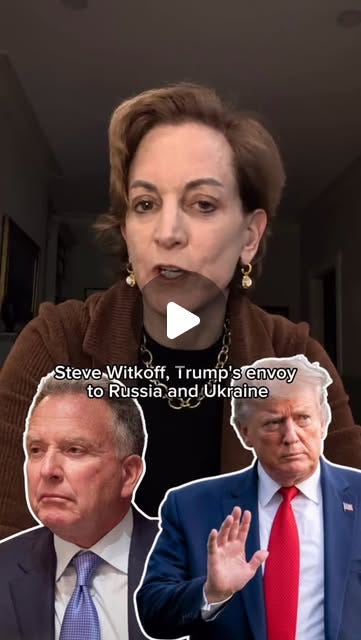
Do read the whole thing: Why Does Steve Witkoff Keep Taking Russia’s Side?
Christmas Books
Last year, I published a Christmas books list too late for holiday shoppers, so this year I’m doing so a whole month in advance. Here it is!
The “To Read” list, Holiday edition:
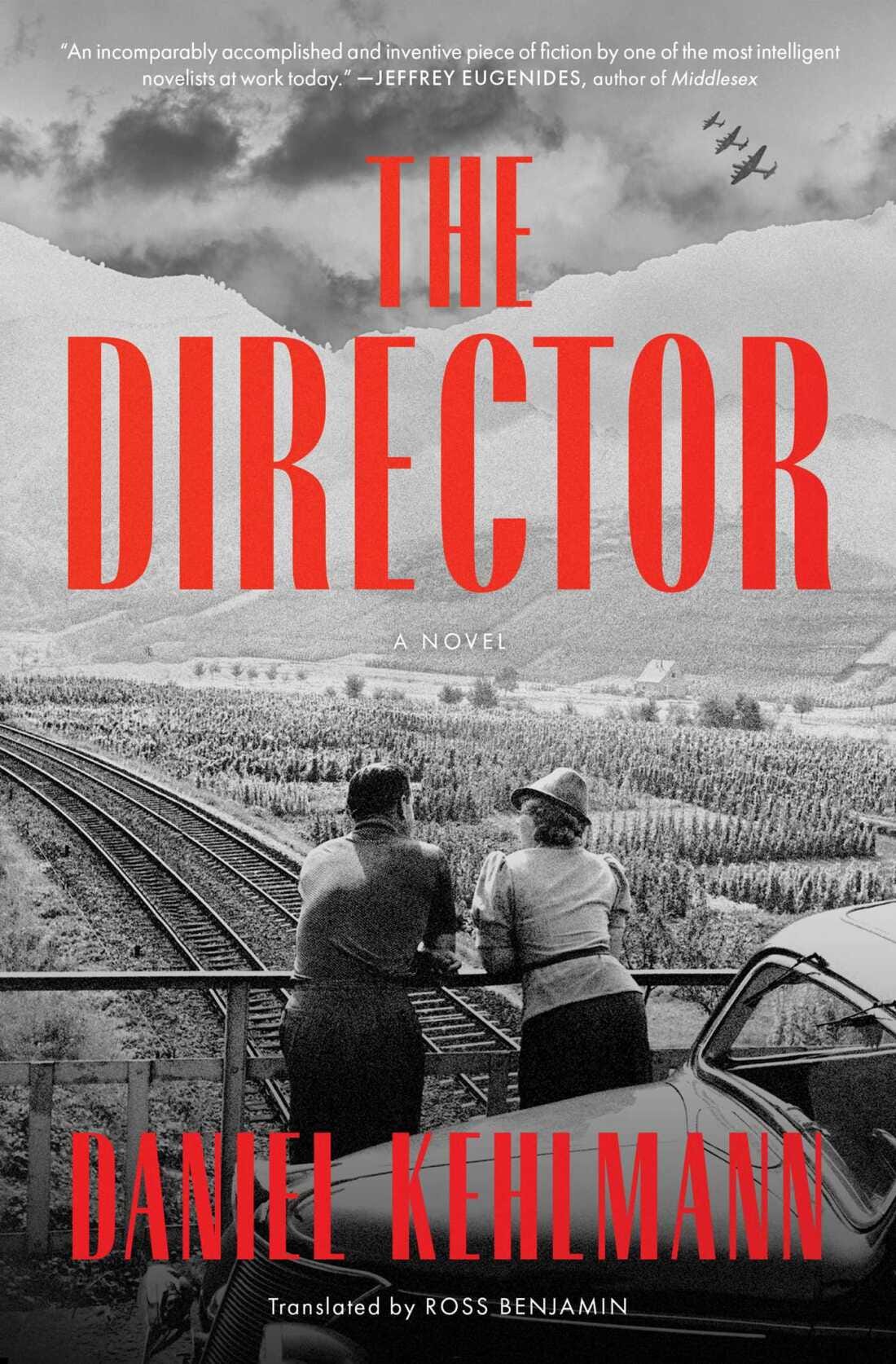
The Director, by the German writer Daniel Kehlmann. A novel, based on a true story, of an anti-Nazi German film director who escapes to Hollywood, can’t make a career there, and returns to Hitler’s Germany. Collaboration, and its price, is the central theme, and some aspects of it will seem relevant. Available for purchase here.
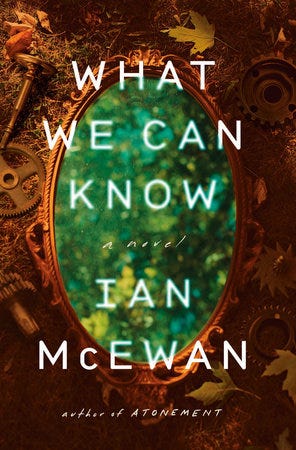
If you are a historian, or if you just like to think about history, then the best book of the year has to be Ian McEwan’s new novel, What We Can Know. The protagonists — historians of the future who both envy us and misunderstand us — should force us to think differently about we really know about the past. Available for purchase here.
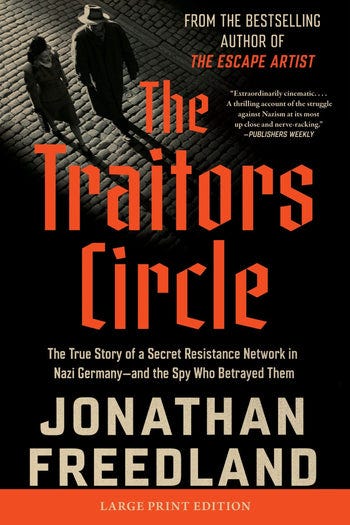
The Traitors Circle: The Forgotten Rebels Who Resisted the Third Reich by Jonathan Freedland is not a novel, but rather the true story of Germans who worked together to resist Nazi Germany. Again, there are contemporary resonances: What would you risk to defy an evil government? What motivates collaborators? Available for purchase here.
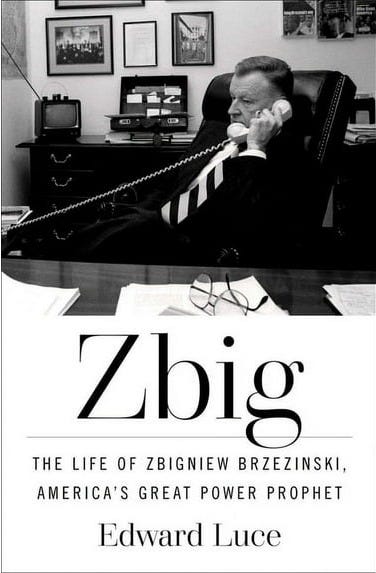
He was the second most famous National Security Advisor in the second half of the 20th century, but Brzezinski understood some things that Kissinger did not: He believed that the Soviet Union could collapse, and that the Cold War could be won. Zbig: The Life of Zbigniew Brzezinski, America’s Cold War Prophet by Ed Luce is a great biography of an unusual life, but also a great portrait of postwar America. Available for purchase here.
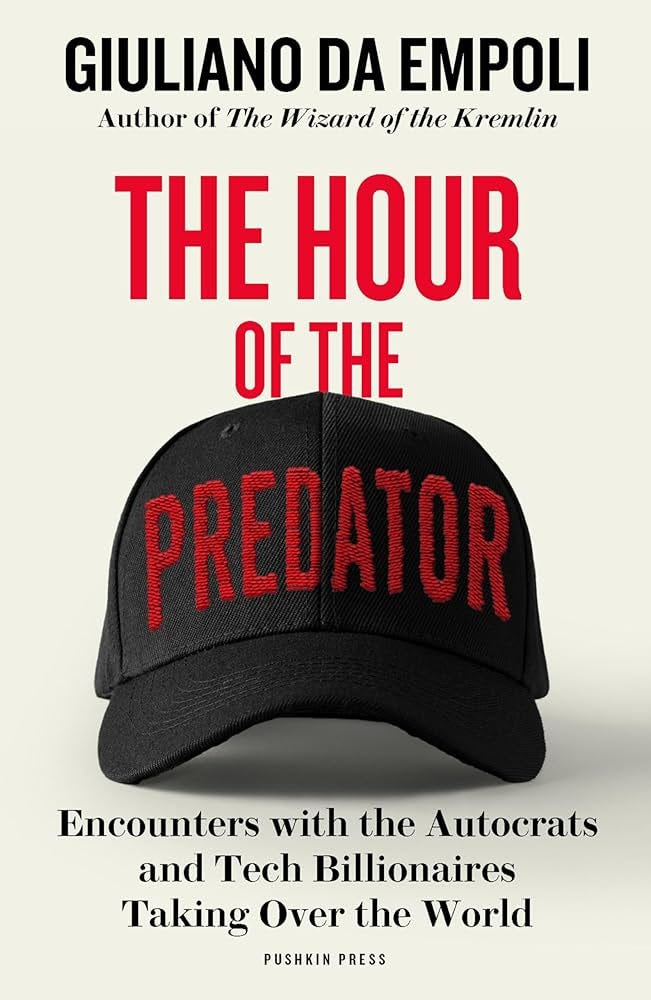
I am not sure how to categorize The Hour of the Predator by Giuliano da Empoli. I suppose it’s journalism, though it reads sometimes like fiction and sometimes like philosophy. More than anything else, it’s a portrait of power in the 21st century: who has it, why they have it, how it works. I suppose you could read it alongside Luce’s biography of Brzezinski, and think about how much has changed. Available for purchase here.
Happy Thanksgiving
Wishing a lovely holiday to American readers, and a peaceful weekend to everyone else. Just getting ready to roast some carrots…

Buy Autocracy Inc, also for Xmas
Open Letters, from Anne Applebaum is a reader-supported publication. To receive new posts and support my work, consider becoming a free or paid subscriber.