
The Summer That Changed California Forever
The 2020 fire season burned more land than any in recorded state history, reshaped firefighting strategy and left thousands of people — from mountain residents to state officials — permanently changed. As climate change fuels hotter summers and more explosive blazes, the lessons of 2020 matter more than ever.
“We woke up in the middle of the night to lightning strikes all over the place. It was beautiful, but also terrifying,” said Leigh-Anne Lehrman.
She was staying in Woodside, recovering from cancer surgery, away from her home in the Santa Cruz Mountains. Her daughters, one in college and one in high school, stayed behind to hold down the fort.
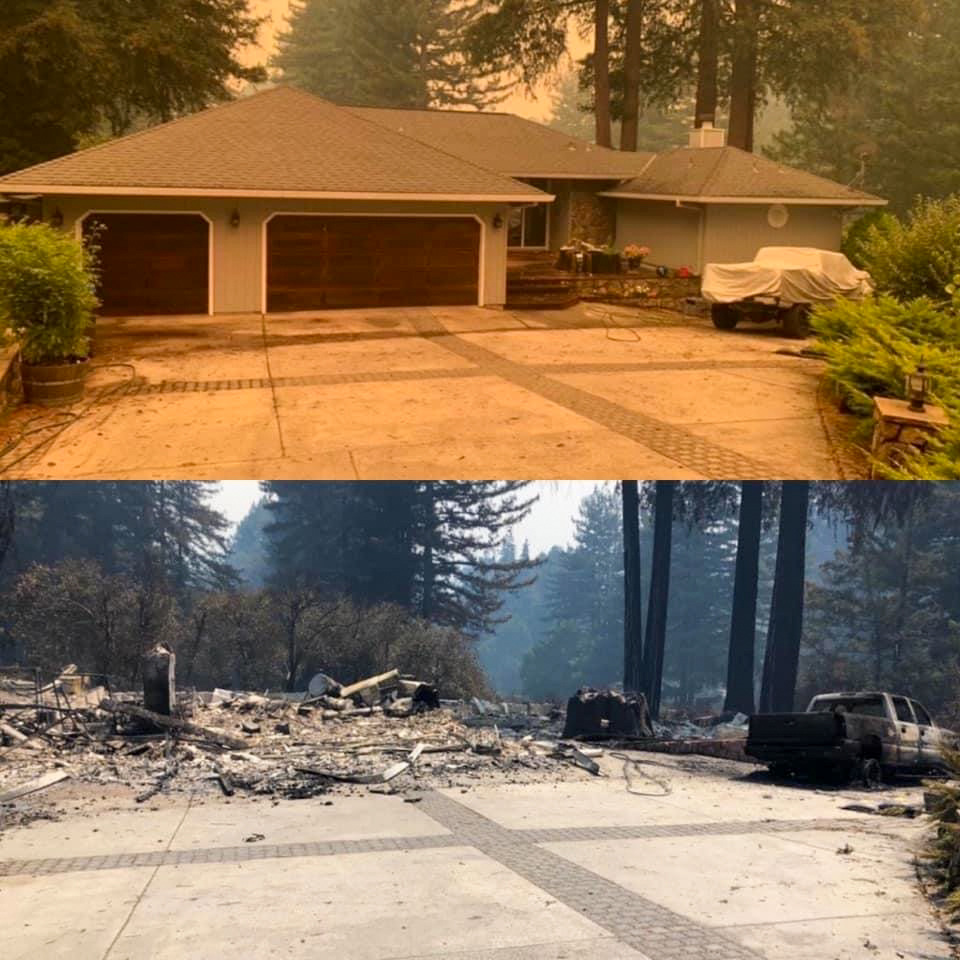
She knew enough about the wildfire risk in her neighborhood to be “instantly very concerned because both the girls were there alone,” Lehrman said.
Not far away, Brian Dean, also a resident of the mountains, remembers the wind. His wife woke him up and said:
“‘Look at how windy it is out there. Lightning is everywhere,’” Dean recalled.
She stepped outside onto their deck, which was covered in sticks. “She turns around to come back in to get her shoes and right then, like half of a redwood [tree] landed right on the deck,” Dean said.
Farther north, Sonoma County resident Nate Ericson was camping in Humboldt County for his birthday when he saw a post on Facebook that family members were evacuating their homes.
“I’m freaking out,” Ericson recalled. “I start driving home. And I see the Mendocino Complex Fire. Just this massive, massive plume going up into the sky, like everything in me was, ‘Turn around, you’re going the wrong way, but I had to get home.”
A season like no other
Wildfires fueled by extreme heat, supercharged by climate change, roared across an area of California larger than the combined land mass of Delaware and Rhode Island. The firestorms lasted for months, destroyed 9,000 structures and killed 31 people, forever altering the lives of countless more — some fled, others were imprinted by fear and distrust — and the operations of CalFire, the state’s firefighting agency.
Following the mid-August lightning strikes, several hundred fires sprang up, some merging into massive “complexes.”
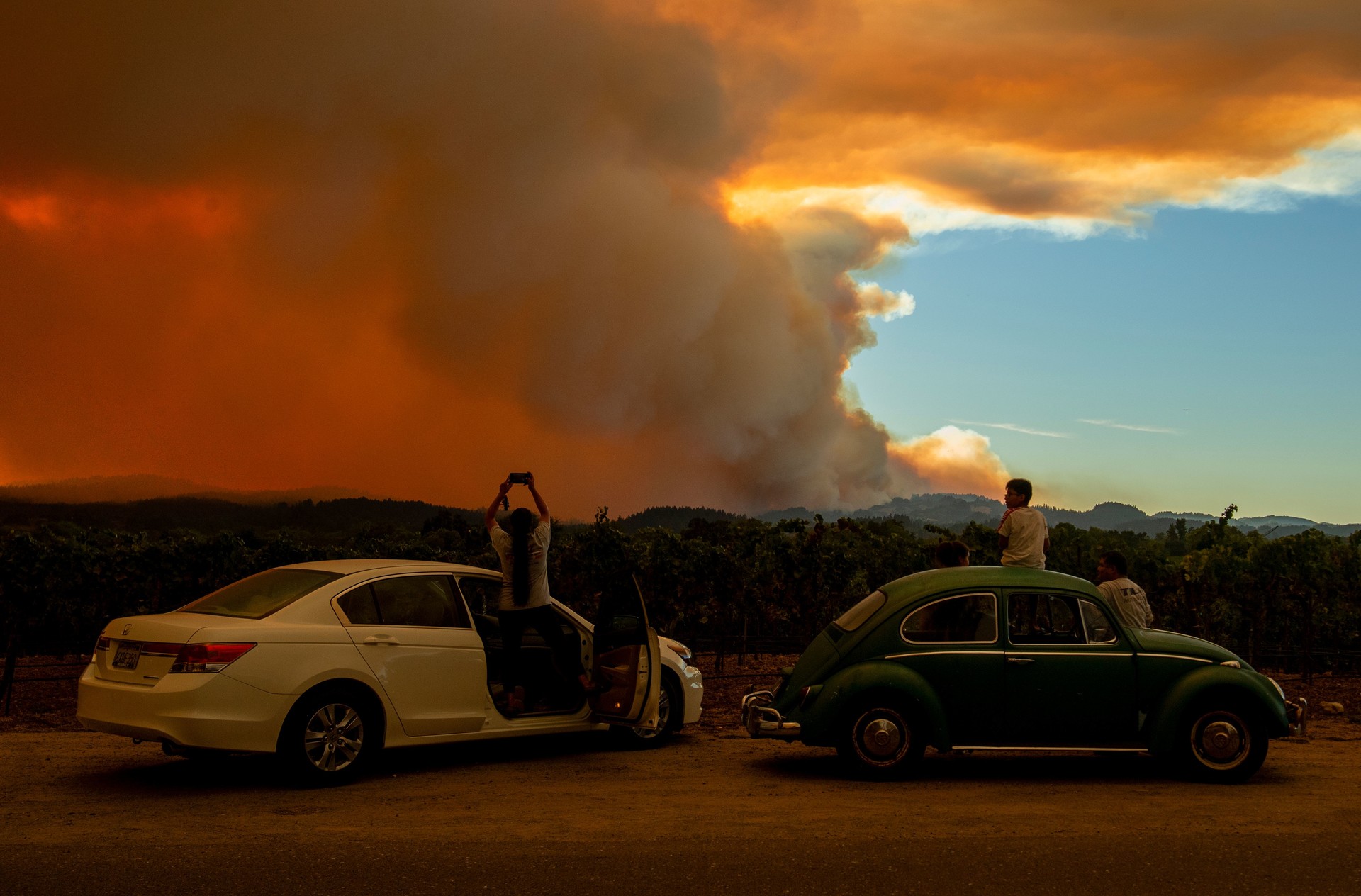
“We ended up in a situation where we had multiple megafires going on at the same time,” said George Morris III, a CalFire region chief responsible for the units from Monterey County up to the Oregon border.
Land burned in and to the north of wine country in the LNU Lightning Complex, in the East Bay not far from San José in the SCU Lightning Complex, and to the south in Santa Cruz County, where a series of fires ignited outside of Big Basin State Park that smoldered for days where firefighters could not access them, Morris said. “That was a ticking time bomb.”
Winds that kicked up around Aug. 18 caused a turning point. Separate fires coalesced into the CZU Lightning Complex Fire that ripped through 85,000 acres, burning some redwood forests not typically home to megafire and the communities of Boulder Creek, Bonny Doon.
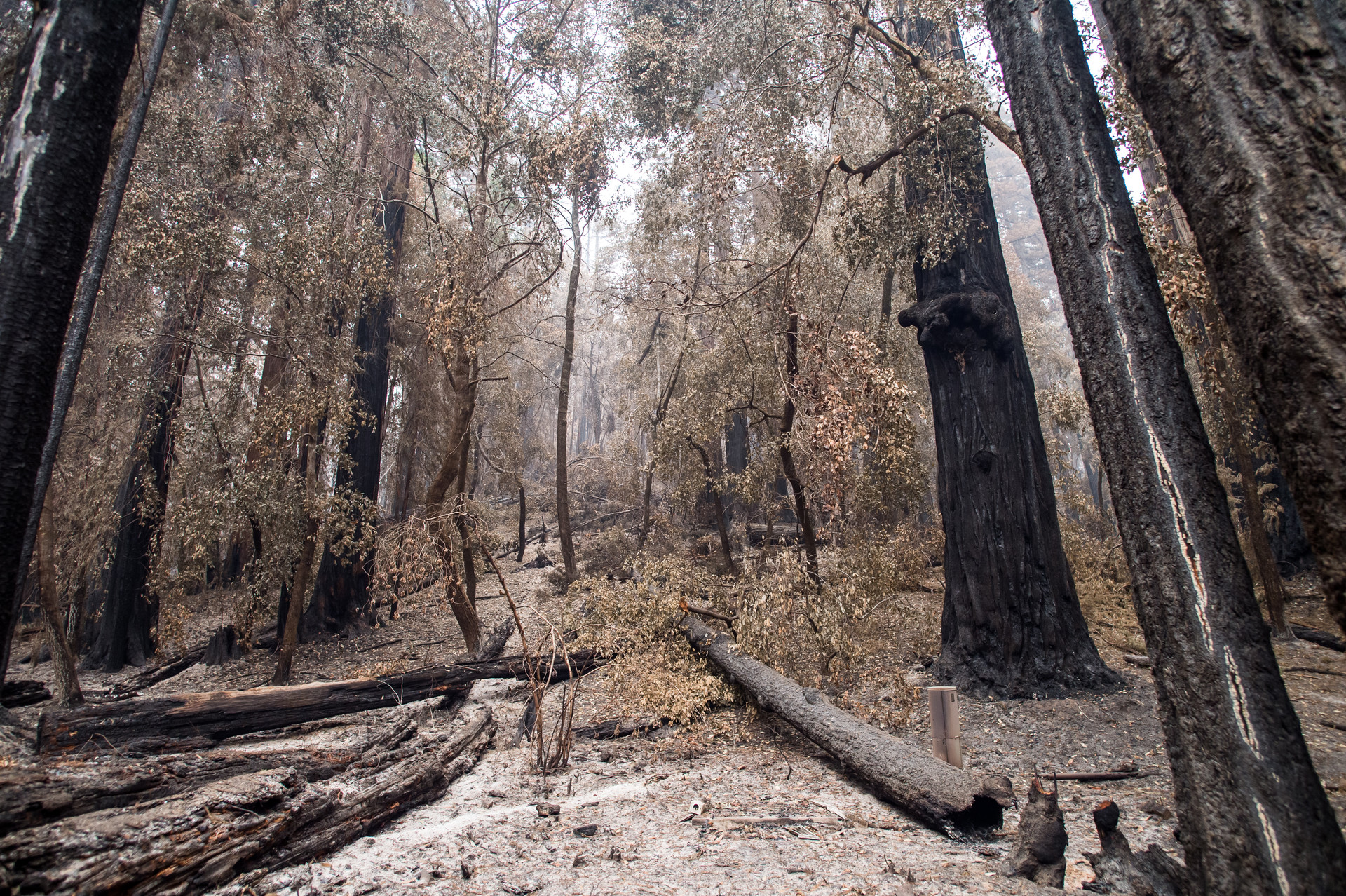
The sound of the CZU Fire approaching Dean’s home in Bonny Doon reminded him of the movie Backdraft.
“It sounded like a jet airplane,” he said. “And at the same time, you hear propane tanks exploding in the background as the fire was coming down the mountain.”
Power and cell service were out. Many of Lehrman’s friends evacuated, and she worried about her daughters. “I started really panicking, and then I couldn’t reach them at all.”
Firefight overwhelmed
As Lehrman panicked about her daughters, fire officials across the state faced a grim reality as the scale of the disaster overwhelmed firefighters. Wildfires continued to flare up — in Plumas, Tehama, Glenn, Butte, Modoc — practically everywhere.
The August Complex, which started as 37 separate fires, merged into the state’s first recorded “giga-fire,” topping a million acres.
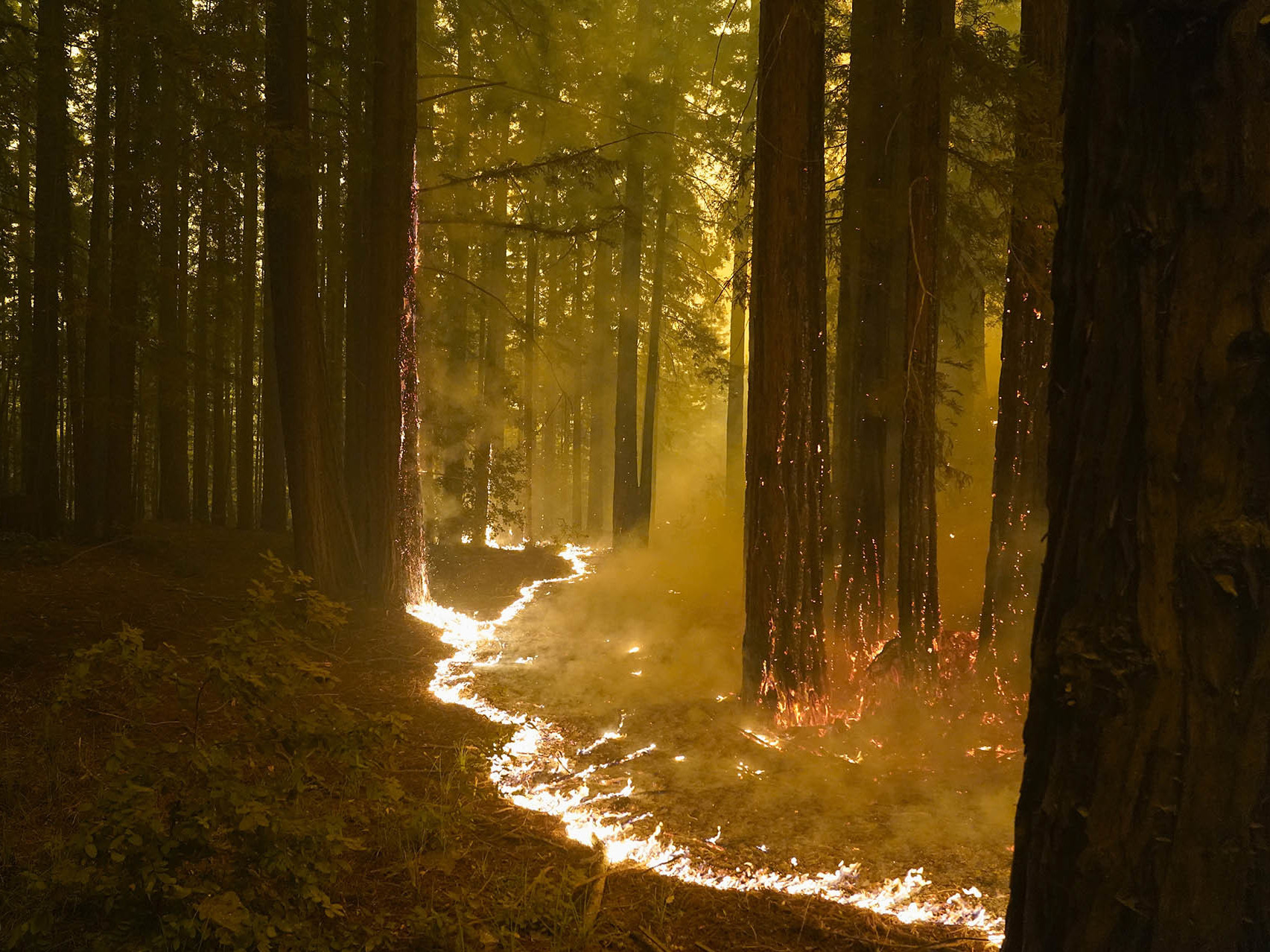
“Every time you thought you were going to get ahead of the original lightning-caused fire, it gave way to other mega fires,” Morris said.
Figuring out how to position fire crews was somewhat like playing the game Risk. If you spread out on the board too far, Morris said, “Now you’re not prepared to deal with a threat here.”
Morris said 2020 was a watershed moment in his 29-year career. He blames the severity of the fires on climate change drying out vegetation, the increasing encroachment of housing into the wildland urban interface and human activity starting fires, mostly by accident.