
The Strait of Hormuz crisis is exposing a hidden food risk. New fertilizer tech could help
When ships can’t make it through the Strait of Hormuz, the fallout goes beyond the price of oil: Nearly a third of the world’s fertilizer also passes through the corridor, coming from factories in countries like Qatar. Fertilizer prices have surged due to the Iran war—and added one more reason that food prices are going up around the world.
Better technology could help. Right now most fertilizer is made using the Haber process, a technique developed more than a century ago that starts with natural gas. It’s a major source of emissions, and also a supply chain risk. Countries that don’t have their own large natural gas supplies are the most exposed. The war in Iran, like the the war in Ukraine, has disrupted supplies of both natural gas and fertilizer.
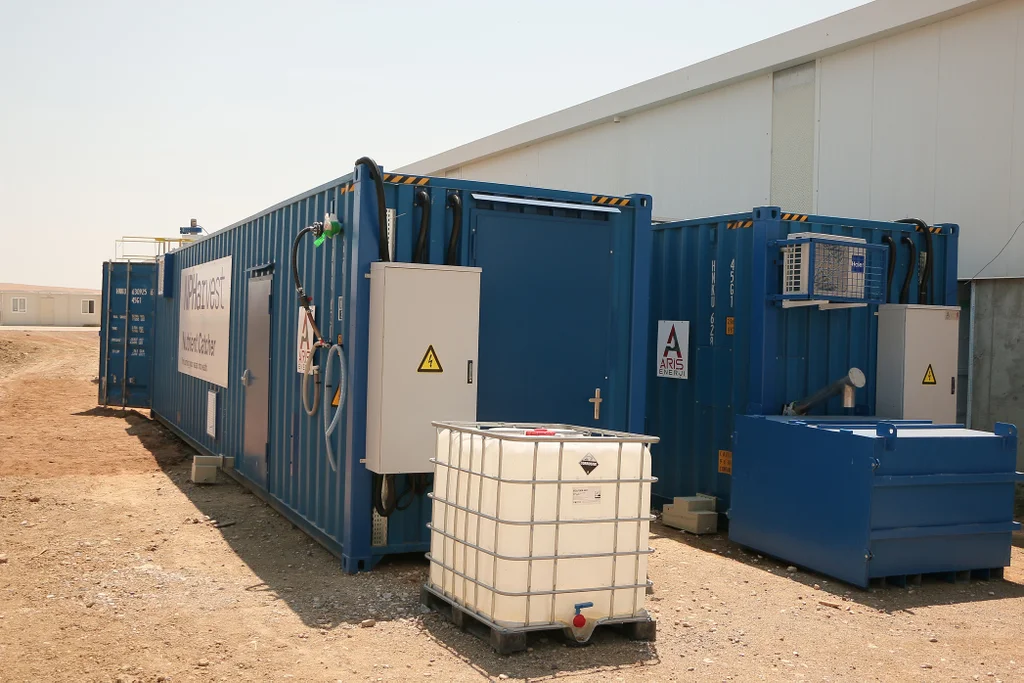
Harvesting nutrients from wastewater
A growing number of startups are developing new ways to make fertilizer that can avoid natural gas and the risks that come with it. One approach: capturing fertilizer ingredients from wastewater. A company called Ostara captures nitrogen and phosphorus from multiple wastewater treatment plants in the U.S. and turns it into fertilizer.
In Finland, a startup called NPHarvest uses membranes and chemistry to do the same thing with less energy, avoiding the heat and pressure used in similar processes. For wastewater treatment plants that need to meet strict European disposal laws, the approach is less expensive than other options for water treatment.
“We help them save money,” says cofounder and business developer Burak Yirmibesoglu. The fertilizer, he says, is a side benefit. Because of the financial model, the startup will be able to sell its fertilizer—now in pilot testing with its first customers—at a lower cost than conventional fertilizer.
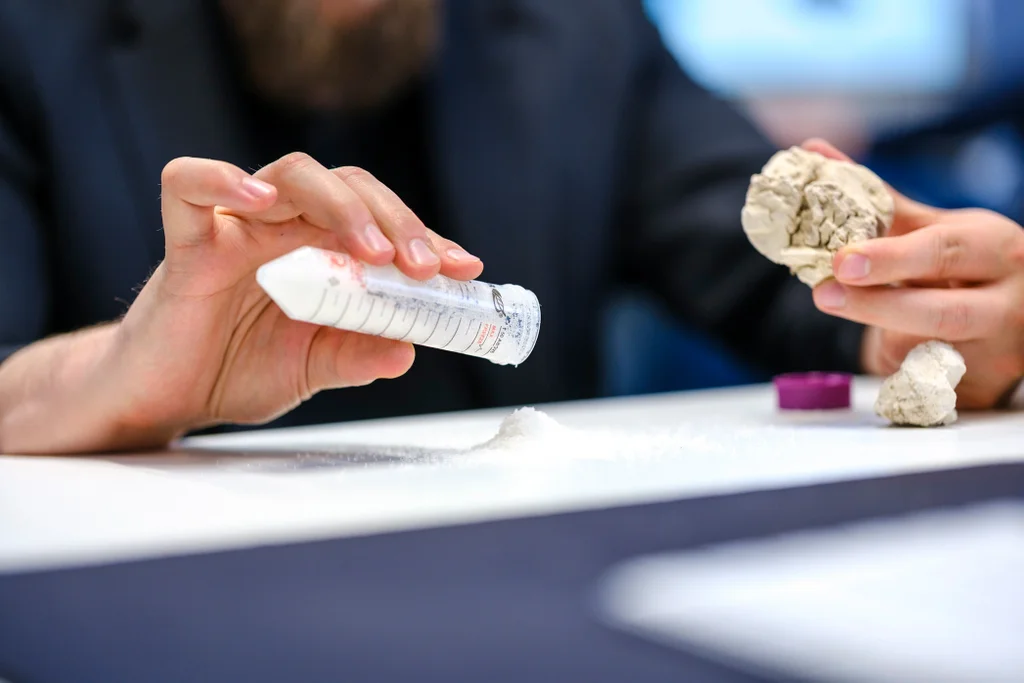
Recovered Potential, a startup that spun out of Stanford, uses electricity to help target and recover ammonia from wastewater.
“We can selectively extract the ammonia as opposed to all the other materials in the wastewater,” says cofounder and CEO Kindle Williams. “In other words, we zap wastewater until we pull fertilizer out.”