
Spicy Autocomplete: The LA Times Outsources 'Balance' to Algorithms
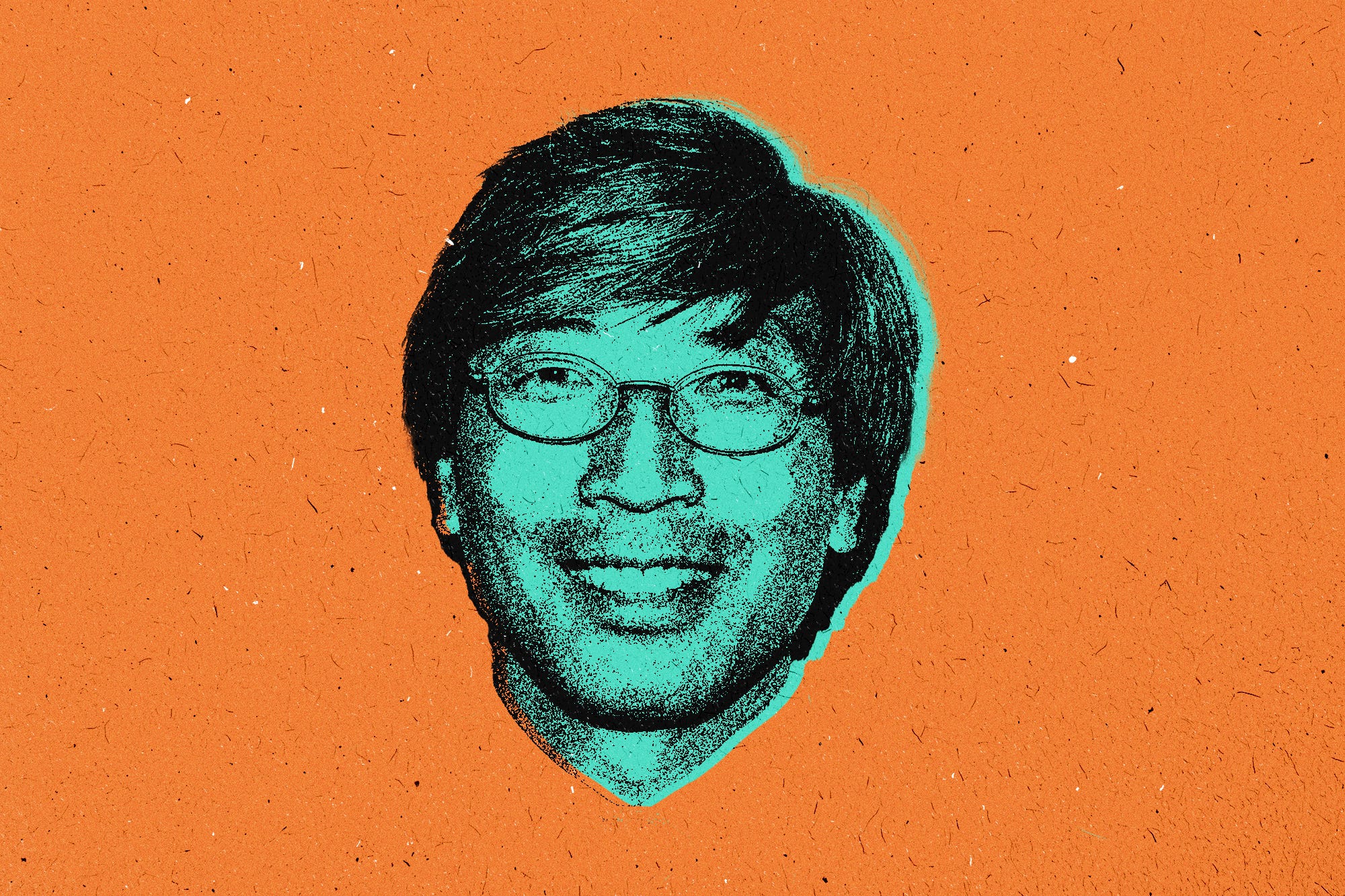
This week, the Los Angeles Times debuted a new AI-powered feature called “Insights” that automatically generates “alternative perspectives” to appear beneath the paper’s opinion pieces. It’s a feature that billionaire owner Patrick Soon-Shiong is intensely proud of, tweeting: “Now the voice and perspective from all sides can be heard, seen and read — no more echo chamber.”
But this is little more than a lazy technological shortcut that undermines journalism, dismisses the expertise of trained writers, and serves as the latest attempt by the Times’ Trump-friendly owner to appease the man in the White House.
The Present Age is a reader-supported publication. To receive new posts and support my work, consider becoming a free or paid subscriber.
If you haven’t seen it yet, here’s how it works: The Times slaps a “Voices” label on opinion pieces and some news analysis, then uses AI tools from companies Perplexity and Particle to analyze where each piece falls on the political spectrum (from “Left” to “Right”), summarize its arguments, and generate “different views on the topic.”
The problem is what appears to be happening behind the scenes: absolutely nothing. According to Matt Hamilton, vice-chair of the LA Times Guild, these AI-generated responses are “unvetted by editorial staff,” he said in a statement. It appears the AI content is being published without human review, which violates the most basic rule of using AI in journalism (if you must): always keep a human in the loop.
The results are predictably disastrous. Within hours of the feature’s launch, the LA Times had to remove AI-generated content that attempted to defend the Ku Klux Klan. As The Daily Beast reported, columnist Gustavo Arellano wrote a piece reflecting on Anaheim’s history with the hate group, but the AI “insights” below the piece included a point that “Local historical accounts occasionally frame the 1920s Klan as a product of ‘white Protestant culture’ responding to societal changes rather than an explicitly hate-driven movement, minimizing its ideological threat.”
And sure, local historical accounts do occasionally frame the Klan that way, so it’s not technically wrong. But I hope we can all agree that if there’s one group that doesn’t need a devil’s advocate, it’s the KKK.
Related Knowledge Center: Artificial intelligence
On top of a failing business model, newsrooms must navigate the powerful — and not fully reliable — new capabilities of artificial intelligence and the deployment of large language models.
State of the business model | Copyright and intellectual property
Related Knowledge Center: Inside the newsroom
As newsrooms struggle with rickety business models and precarious finances — as well as new technologies — they are deploying an array of editorial responses.
The Times and its critics | Washington Post mortem