
Small Islands, big signals: Africa leading on climate-nature delivery through NDCs
Posted on February, 27 2026
If countries move from climate plans to real-world delivery, Africa’s fortunes could shift dramatically, says WWF.
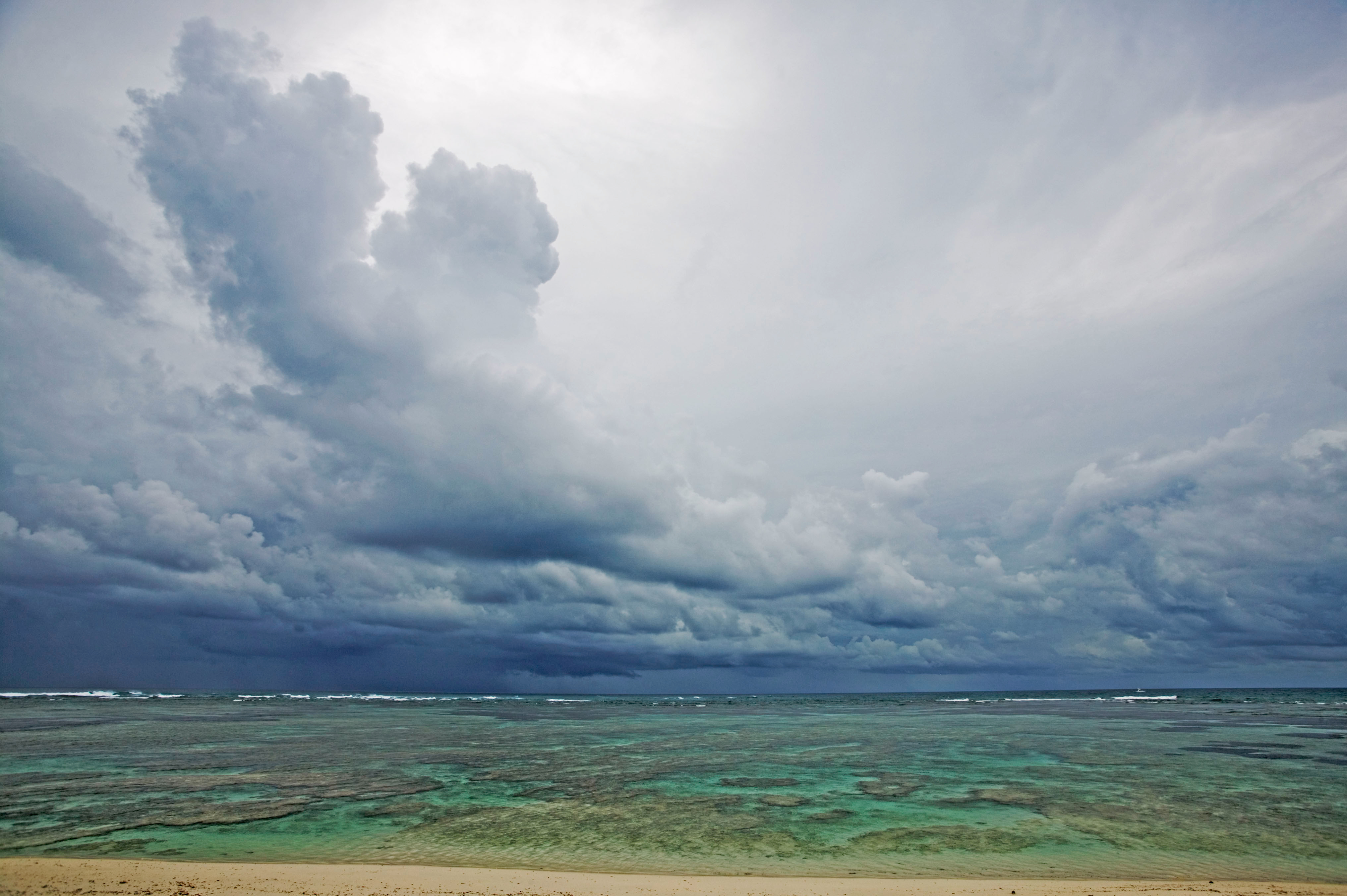
A storm brewing over the ocean near Bird Island in the Seychelle. Photo credit: Martin Harvey / WWF. February brought powerful winds across the South-West indian Ocean. Once again, the cyclone season exposed how vulnerable island economies are. Storm surges, damaged ports and power outages disrupted tourism, fisheries, inter-island transport and trade. For Africa’s Small island Developing States, climate colatility is not abstract. Even small shifts in weather can move quickly from coastlines to household budgets and national accounts.
Extreme weather events are often treated as anomalies. Yet they tell a clear and repeated story. Cyclones, heavy rain, and storm surges all show the same pattern: climate volatility creates real economic costs. The best way to reduce these risks is not reactive spending after disaster strikes. It is to implement national climate plans with urgency and focus.
The plans exist. The targets are clear. What matters now is implementation – a step that unlocks real benefits. And delayed action comes at a cost.
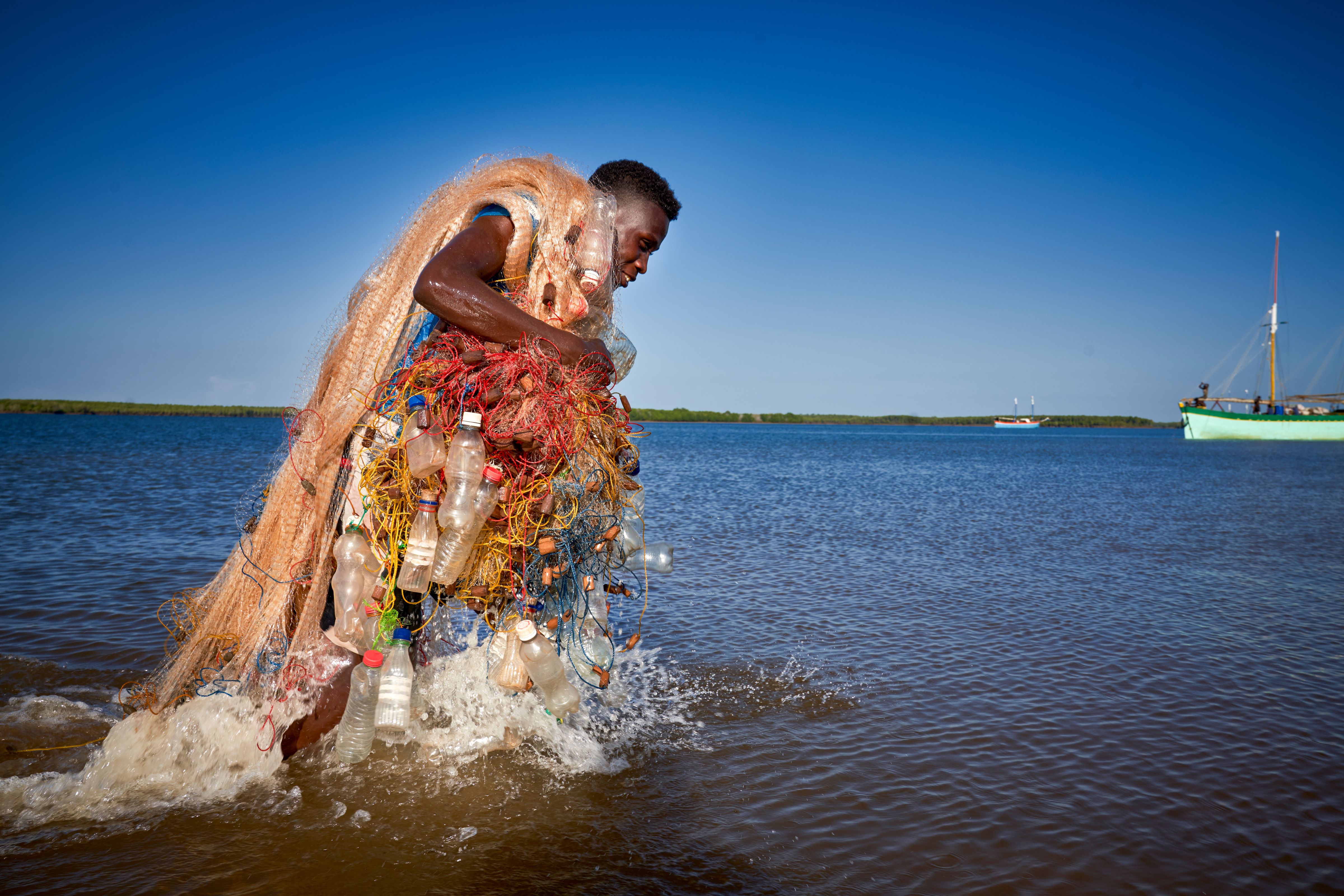
Fisherman in Beanjavilo, a village set among mangroves in the western coastal region of Madagascar, the world’s fourth largest island off the coast of east Africa. Photo Credit: Justin Jin / WWF-France.
For small island states, this truth is especially sharp. Their economies depend on stable climates and healthy natural systems. Tourism, fisheries, coastal infrastructure, and energy security all rely on coral reefs, beaches, forests, and oceans. Climate action and nature protection cannot sit on separate tracks. For these small island states, investing in nature is not symbolic. It protects lives and strengthens economies at the same time.
This is why the Forum on NDC Implementation Readiness, taking place in Mauritius this week, is important. The event is co‑organized with the NDC Partnership and GIZ with support from the Commonwealth Secretariat and international partners, including WWF. It brings governments and institutions together around one goal: delivery.
Shirley Matheson, WWF’s Global NDC Enhancement Lead, says, “A target signals intent. Implementation reshapes reality. When countries invest in nature and climate together, they are not choosing between development and resilience - they are choosing life.”
That choice is clear in Mauritius. But it also reflects a wider understanding that implementation is the strongest tool countries have to manage climate risk while supporting their economies.
The growing intensity and volatility of extreme weather affecting African small island states shows that climate risk is not distant. It affects today’s infrastructure, budgets, and today’s livelihoods.
Implementing national climate plans with clarity, speed, and fairness turns commitments into real outcomes: stable economies, secure energy systems, resilient coastlines, and healthy ecosystems. For small island states - and for the global community - climate implementation that works with nature is not a technical detail. It is smart development.
Harisoa Rakotondrazafy, WWF’s Africa Adaptation Lead says, “Across Africa, small island developing states are sitting on a wellspring of opportunity. When climate and biodiversity plans move from paper to decisive action, they don’t just reduce risk — they unlock resilience, co-benefits for nature and lasting prosperity for their people.”
By accelerating implementation readiness and strengthening climate and nature synergies, countries are proving that delivery is not far away. It is happening now and shaping the societies we are building.
For more information, contact Shirley Matheson smatheson@wwf.eu