
Silent, Bird-Safe, and Efficient: Revolutionary Bladeless Wind Turbine Promises Cleaner, Quieter Power
As the demand for sustainable energy solutions grows, so does the need for innovation in the renewable energy sector. The latest breakthrough? The bladeless wind turbine. Designed by the Spanish startup Vortex Bladeless, this new approach to harnessing wind power could change the landscape of how we generate energy—quietly, safely, and more efficiently than ever before.
What Makes a Wind Turbine “Bladeless”?
Traditional wind turbines, the kind with massive spinning blades, have been the go-to solution for generating wind energy for decades. However, the blades come with a host of drawbacks—noise, bird collisions, and maintenance challenges. Enter the bladeless turbine, which operates on a fundamentally different principle.
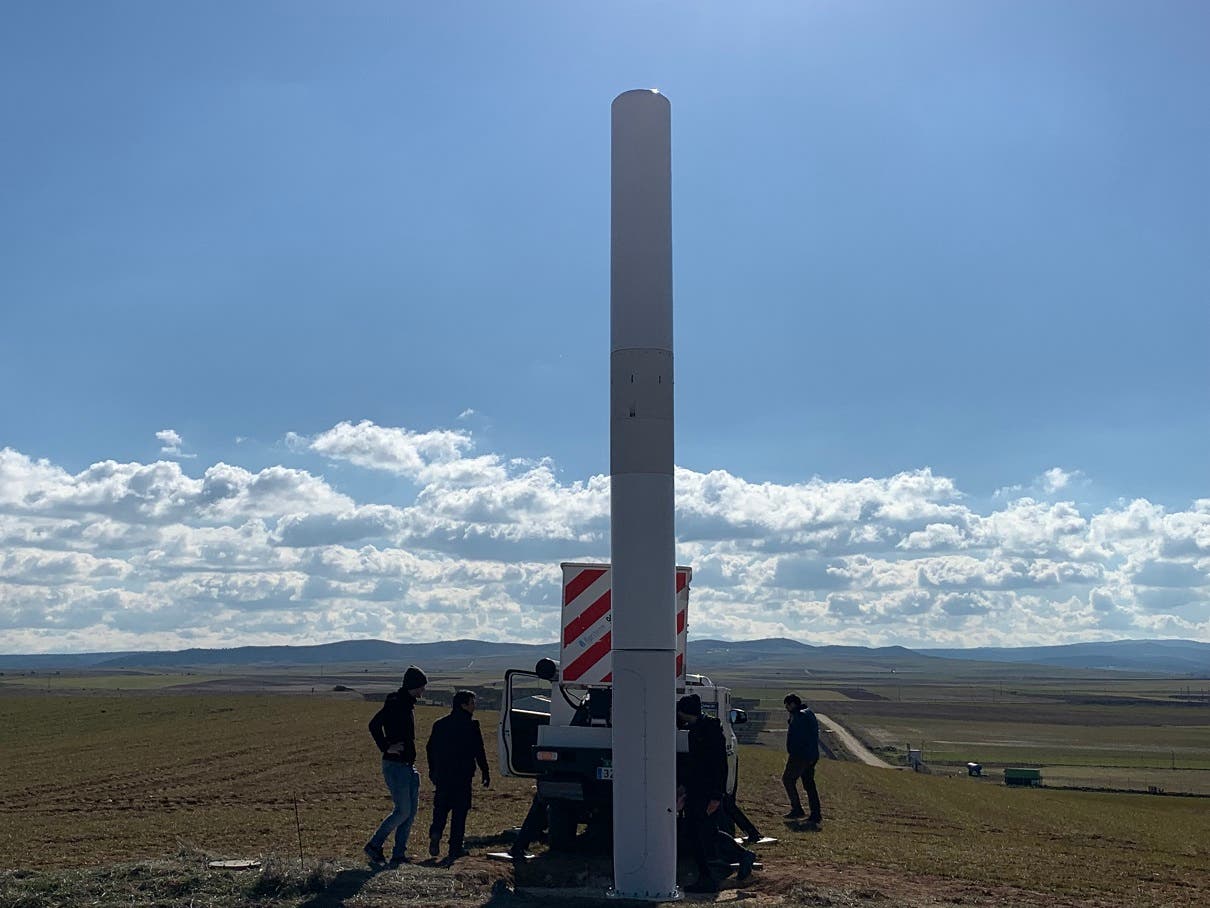
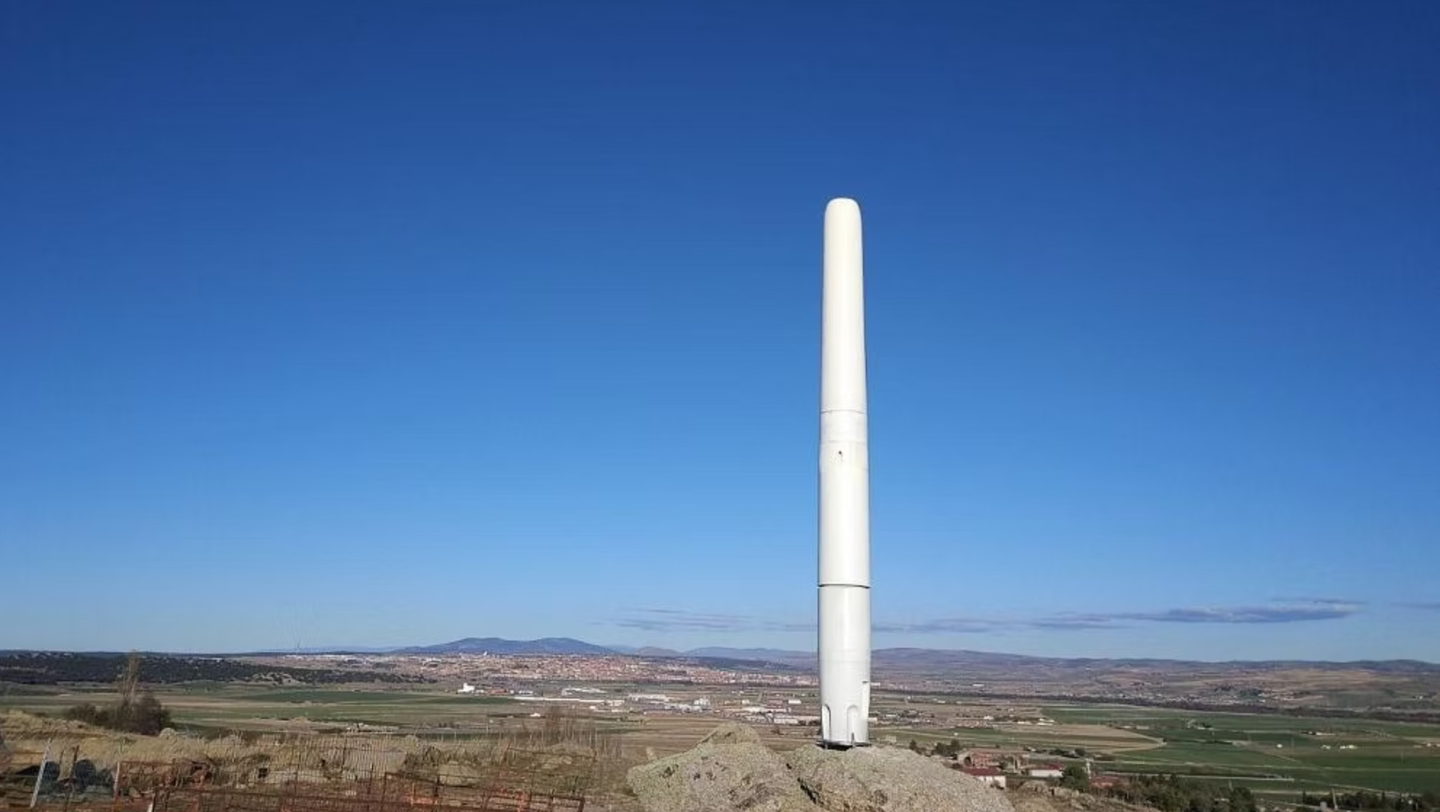
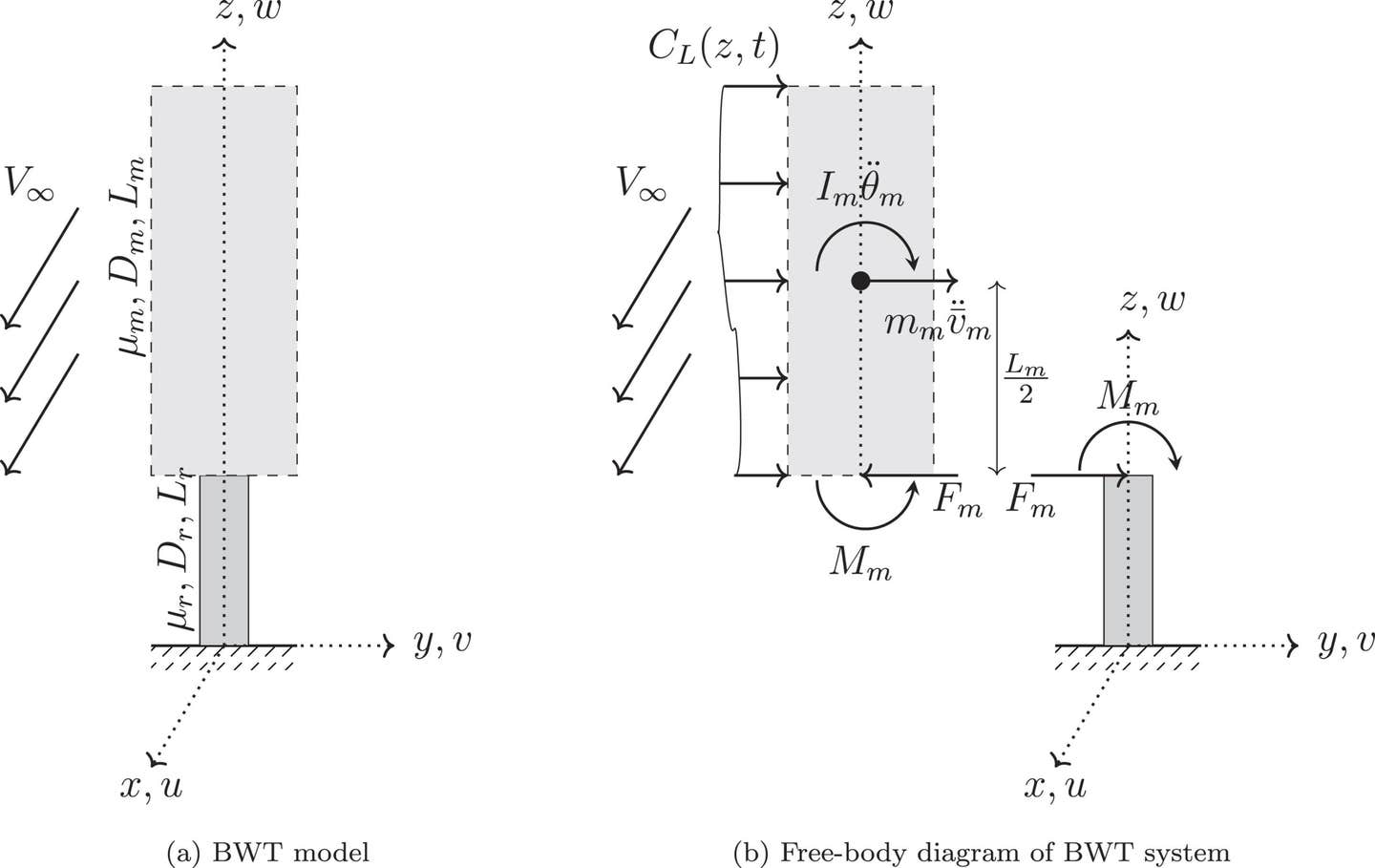
Instead of spinning blades, this turbine relies on vortex shedding, a natural phenomenon where wind causes a cylindrical structure to sway back and forth. This oscillating motion is then captured and converted into electricity. Think of it as a tall, vibrating structure that generates energy from the wind without the need for any moving parts like blades, gears, or lubricants.
Advantages of the Bladeless Turbine
The bladeless turbine brings several key advantages to the table, especially when compared to traditional wind turbines.
1. Silent Operation
One of the standout features of the bladeless turbine is its quiet operation. Unlike conventional turbines, which generate noise from their rapidly spinning blades, the bladeless design produces almost no sound. This makes it an ideal solution for urban areas, where noise pollution is a significant concern.
2. Bird-Safe Technology
Another major benefit is its safety for wildlife, particularly birds. Traditional wind turbines, with their large, fast-moving blades, pose a deadly risk to birds. In contrast, the bladeless turbine’s gentle, oscillating motion means birds can safely fly around it without the risk of collision.
3. Lower Maintenance and Durability
With fewer moving parts, the bladeless turbine requires minimal maintenance. There’s no need for expensive oil changes, gear replacements, or regular maintenance checks. This simplicity makes it more durable, with fewer components that could break or wear down over time.
4. Space-Efficient Design
Traditional wind turbines are massive and need a lot of space to be effective. The bladeless turbine, on the other hand, has a compact design that makes it suitable for smaller spaces, such as urban rooftops, off-grid homes, or even city buildings where space is limited.
Can This Technology Compete with Traditional Turbines?
While the bladeless wind turbine offers several advantages, it’s important to ask whether it can compete with the sheer power output of traditional turbines. The answer is nuanced.
Currently, bladeless turbines produce less energy than their traditional counterparts. They are not designed to replace large-scale wind farms, but rather to serve as a complementary solution. For example, in urban environments, where large turbines are impractical, the bladeless design can offer a reliable, quiet source of energy.
Additionally, its compatibility with solar power systems—where solar energy works during the day and wind energy picks up at night—makes it an attractive option for off-grid homes or small-scale applications.
Despite its smaller output, the bladeless turbine still represents a pioneering step forward for clean energy solutions. It’s a viable option for locations where traditional wind turbines simply can’t fit or where noise and space are concerns.
The Road Ahead
The bladeless turbine is still a work in progress, with several challenges to overcome. Energy output under varied conditions remains a concern, and it may not yet be able to match the efficiency of larger turbines in all environments. However, innovation is advancing quickly. Engineers from the University of Glasgow have already begun optimizing the turbine’s design using sophisticated simulations, which could enhance its efficiency and make it more competitive in the renewable energy market.
Furthermore, the company behind the turbine, Vortex Bladeless, is working on developing various sizes to meet different energy needs, from small residential applications to larger, community-based systems.
In terms of adoption, there is increasing interest from both investors and energy companies. For example, Equinor, Norway’s state-owned energy company, has recognized Vortex Bladeless as one of the most exciting startups in the energy sector. This recognition is a sign that the bladeless turbine might have a bright future in the world of renewable energy.