
Scientists Warn: The Ocean’s Hidden Architects Are Breaking Down
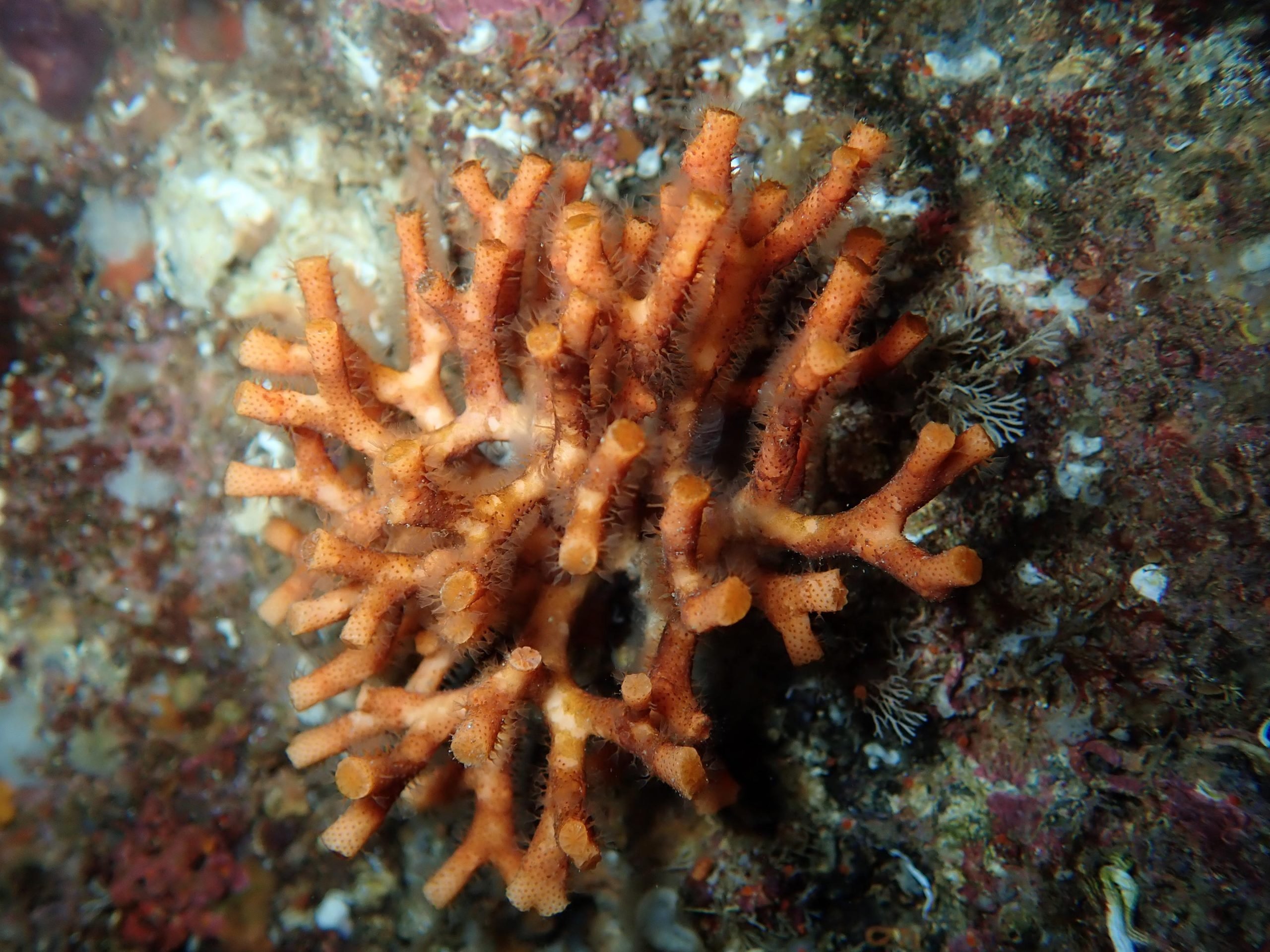
Beneath the Mediterranean waves, tiny marine “architects” called bryozoans are showing alarming signs of stress as climate change drives both ocean warming and acidification.
Using volcanic CO2 vents as a natural preview of the future, scientists uncovered skeletal weakening, microbial shifts, and declining resilience in species like the “false coral,” which provides vital shelter for marine life.
Climate Change Threatens Bryozoans
A team from the Institut de Ciències del Mar (ICM-CSIC) has released findings in Communications Biology showing that ocean acidification and warming, two major results of global climate change, can at the same time alter the structure, mineral content, and microbiome of bryozoans. These colonial invertebrates are essential for creating marine habitats, and the results point toward potentially severe ecological impacts if climate change continues to accelerate.
“False Coral” Under the Microscope
For the first time, researchers have described the microbiome of Myriapora truncata, a habitat-forming species commonly called “false coral” that is widespread across the Mediterranean. The study also examined how this species, along with another encrusting bryozoan, might respond under projected future conditions. False coral colonies grow into three-dimensional frameworks that provide refuge for many marine organisms, much like other bryozoans that can even build reef-like systems, though corals usually receive far more scientific and public attention as ecosystem builders.
“Despite being a different phylum, very diverse and abundant globally, these small architects of the sea are often overlooked in studies on responses to environmental changes,” explains Blanca Figuerola, ICM-CSIC researcher and lead author. She highlights that this research offers new insight into how bryozoans could adapt, or fail to adapt, to the ocean’s rapid transformation.
Figuerola also points out that “bryozoans play a very important ecological role,” but until now, little was known about how they cope with the combined pressures of acidification and warming. She adds that “their microbiome had been virtually unexplored.”
Natural CO2 Vents as Research Sites
To conduct the study, the team used a “natural laboratory”: on the island of Ischia (Italy), volcanic CO2 bubbles from the seabed, which allow simulation of the ocean acidification conditions projected for the end of the century.
“This area offers a unique opportunity to study how marine species respond to acidification under natural conditions,” explains Núria Teixidó, researcher at the Stazione Zoologica Anton Dohrn and last author of the article.
Using this approach, the researchers compared the morphology, skeleton mineralogy, and microbiome of colonies of two bryozoan species exposed and unexposed to these conditions. Results show that the species exhibit some acclimation capacity, modifying their skeletal mineralogy to become more resistant and maintaining a relatively stable microbiome composition.
Microbial Shifts and Early Warnings
“However, we observed a loss in functional microbial diversity, with a decline in genera potentially involved in key processes such as nutrition, defense, or resistance to environmental stress,” Figuerola states.
These microbial shifts may have important long-term consequences, since the microbiome plays a fundamental role in bryozoan health and resilience. “Even if colonies look externally healthy, changes in the microbiome could serve as early bioindicators of environmental stress,” adds Javier del Campo, researcher at the Institute of Evolutionary Biology (IBE, CSIC-UPF).
Warming Intensifies the Damage
Over a five-year monitoring period, the study also considered the effects of rising temperatures — another key factor in climate change.
“The models used indicate that the combination of these two stressors intensifies the effects observed, significantly reducing the coverage of the encrusting bryozoan and increasing mortality. Although the species show some morphological plasticity, it is not enough to offset the combined impact of acidification and warming,” says Pol Capdevila, researcher at the University of Barcelona.
To reach these conclusions, the team used advanced techniques such as modelling and computed microtomography to obtain, for the first time, 3D images of the internal skeleton structure of these species. These images are valuable both for research and for science communication and environmental education. The team is currently preparing a science animation for the general and educational public, in collaboration with the team at Cooked Illustrations, a visual storytelling studio.
Conservation and Future Research Directions
The findings have important implications for the management and conservation of Mediterranean marine ecosystems, particularly in the context of climate change. Habitat-forming species like bryozoans are not only vulnerable but their disappearance could trigger cascading effects on many other species that rely on them for shelter or food.
The characterization of the microbiome and preliminary identification of potentially beneficial microorganisms open new research avenues to enhance the resilience of holobionts (host and its associated microbiome) through nature-based approaches.
This research line, initiated under the MedCalRes National Plan project, is now continuing with the HOLOCHANGE consolidation project and the National Plan MedAcidWarm, which aim to deepen understanding of bryozoan–microbiome interactions to anticipate and mitigate climate change impacts.
“The complexity of the issue demands integrated analyses,” concludes Figuerola. “This study shows how interdisciplinary approaches can help us anticipate future scenarios and more effectively protect marine ecosystems.”
Reference: “Interactive effects of ocean acidification and warming disrupt calcification and microbiome composition in bryozoans” by Blanca Figuerola, Pol Capdevila, Marc Cerdà-Domènech, Joaquim Garrabou, Alice Mirasole, Pol Bassols, Javier del Campo and Núria Teixidó, 31 July 2025, Communications Biology.
DOI: 10.1038/s42003-025-08524-8
Never miss a breakthrough: Join the SciTechDaily newsletter.