
The road goes on and on (and on and on and on).
I was asked the other day to weigh in on a recently published literary novel—well reviewed, notably acclaimed—and its author’s penchant for comma splices and run-on sentences.
First things first, let’s define our terms:
A comma splice is the use of a comma to join two independent clauses—that is to say, two complete sentences each of which can, or at least could, stand entirely on its own—that might, per conventional conventions, normally be joined by a conjunction (usually, unless the first clause/sentence is exceptionally short, preceded by a comma), or held together with a semicolon, or indeed kept entirely separate, with the first concluding with a period/full stop and the second, to be sure, commencing with a capital letter.
The result of a comma splice is, then, a run-on sentence, though I’m keen to note that that term is too often applied—often by the same people who are habitually eager to condemn the use of the passive voice in sentences in which the passive voice is not used—to any exuberantly long sentence, no matter how fastidiously and correctly that sentence is constructed and punctuated.
Like that one, for instance.
And the one before it.
Second things second, I’m not going to name the novel (or its author), (a), because I haven’t read it, and (b) because dissecting bits of prose in contextless isolation is a foolish, unprofessional thing to do.
But here are my concocted (so as to keep things entirely ungooglable), reasonably similar versions of the examples I was offered:
I proceeded slowly down the street, peering at each new doorway, the shop I was in search of was nowhere to be found.
He rocked back and forth in his seat, I observed him muttering irritably, as if he were attempting to solve some insoluble problem.
Slamming her notebook shut, she rose from her desk, I’d forgotten how tall she was.
That sort of thing.
Across the spectrum of unconventionality that includes beginning a sentence with “And” or “But” (a perfectly fine thing to do, but not always the best thing to do), ending a sentence with a preposition (not incorrect per se—or at all, actually—but often resulting in a sentence that dribbles to a wan, moist conclusion where it might easily be recast to end sharply and crisply, and with a bang), and larding your text with sentence fragments (a technique that often seems to me to be intended to come off as hairy, musky virility and instead reads like emphysema), I’d rank the use of comma splices as “Are you sure about this? Are you really sure about this?”
As to my made-up examples above, those might easily be conventionalized thus:
I proceeded slowly down the street, peering at each new doorway, but the shop I was in search of was nowhere to be found.
He rocked back and forth in his seat. I observed him muttering irritably, as if he were attempting to solve some insoluble problem.
Slamming her notebook shut, she rose from her desk;1 I’d forgotten how tall she was.
My copyeditorial advantage here would be that I’m doing as absolutely little copyediting as possible, which is the way I like to copyedit when I can, and to be perfectly honest, I think that my altered versions are better than my original, unaltered ones.
But writers will write as writers desire to write, and these sorts of comma-splicy concoctions are not—even if not necessarily to my taste; I certainly don’t write that way myself—entirely inappropriate in certain narrative voices that might be attempting to convey a kind of meandering or indecisive or tremulous mindset. (I wouldn’t expect to encounter comma splices and run-on sentences in standard-issue nonfiction of what I might call the reportorial sort; I think—accent on I, accent on think—they don’t belong there at all, and if I encountered any I’d repair them without a second’s hesitation or doubt and would be surprised to learn after the fact that I’d been stetted.) The question, then—or at least a question, then—is (as with any off-the-beaten-path prose method): Is this technique effective? Is this technique eloquent? Or is this technique simply, well, irritating? (As I often find myself saying: If you’re going to irritate your readers, do it for a good reason and do it on purpose.)
But—the rest of my thoughts here may be of primary interest to my fellow copy editors; still, feel free to stick around even if you’re simply a writer or a normal human being—what do you do if you’ve been hired to copyedit a manuscript and find yourself deluged with a torrent of comma splices and, at least according to your own impeccable judgment, they ain’t working? According to my correspondent re this respected, respectable literary novel, its first four pages included twelve run-on sentences, and that’s certainly a lot, and thus clearly the technique is heavily intentional, but intention does not always equate with success.
If I were the copy editor in question, I’d certainly—having read, without yet laying a finger on it, at least thirty or forty pages of the manuscript so that I could truly claim to be passably well acquainted with it—contact whoever hired me and say, “I’m having some trouble here, what do you think I should do?”2 And hopefully the hirer would take a good, hard, fresh look at the manuscript and, perhaps after having consulted with the acquiring editor, who would certainly be expected to have an intimate relationship with the writer and the writer’s writing, offer some guidance, which might run the gamut from “This is what the author wants and they won’t be budged, so don’t bang your head against the wall over it” to “Feel free to offer reasonable suggestions for improvement, but try not to stomp all over the writer’s style.” (If I were the hirer I might arrange a test drive of say, twenty or thirty pages of copyedited manuscript to be run past the editor and/or the writer before proceeding further.)3
The key here is respect: The copy editor needs to approach the manuscript respectfully (and thoughtfully), with the ideal expectation that the writer will, similarly, respond to the copyediting respectfully (and thoughtfully)—which does certainly not entail accepting all the copy editor’s suggestions but which does certainly entail appreciating that the copy editor is doing their best to assist.
Of course, things don’t always work out ideally, but we’re all doing the best we can.
Here endeth the lesson; have a swell rest of the day.
Thank you, as always, to subscribers, with extra thanks, as always, to those of you who have chosen to support this series financially with no greater tangible reward than to be able to comment (or query) in the comments (and querying) section. Truly, I appreciate it.
As does Sallie.
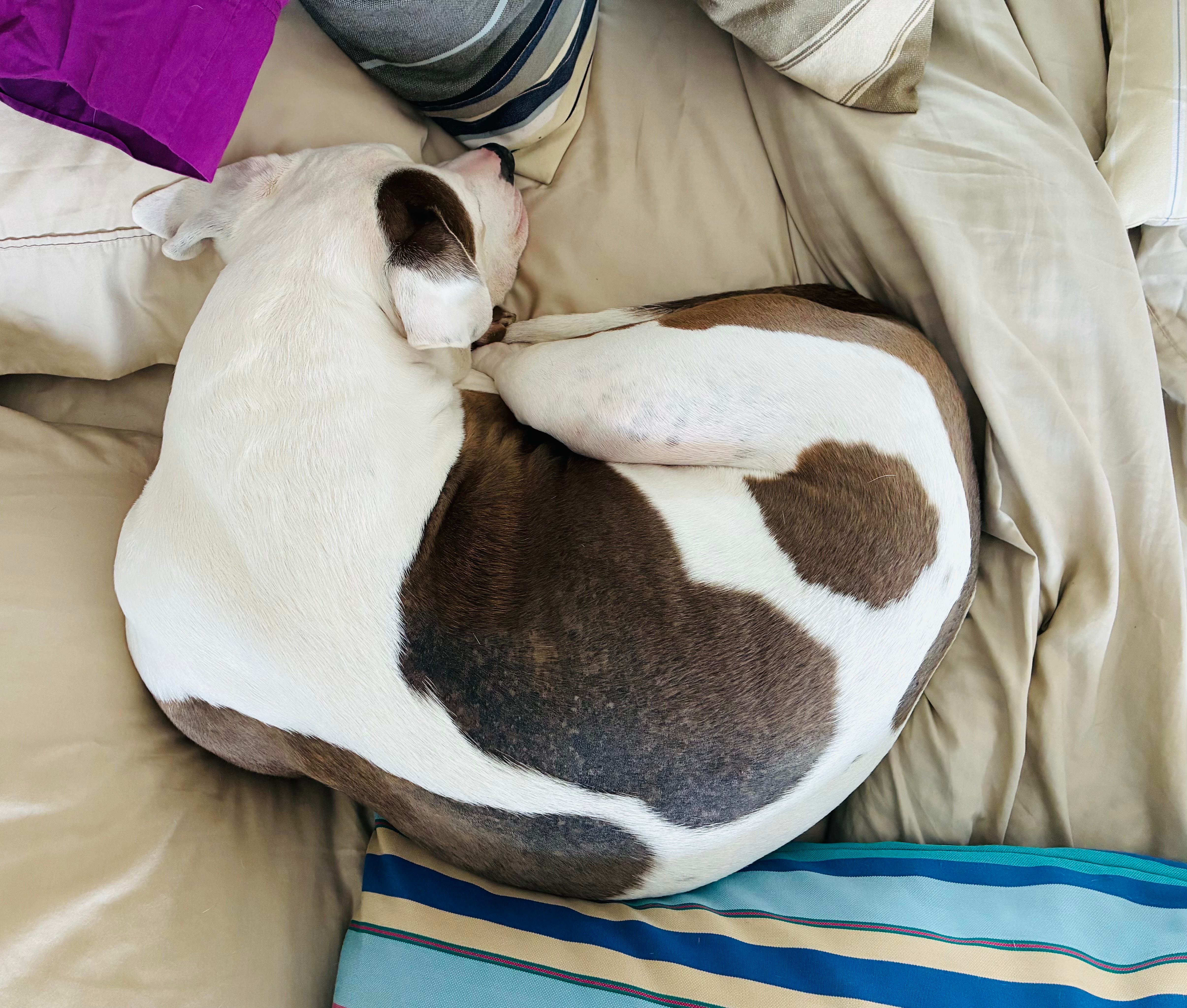
In the meantime, merry Christmas to all of you who observe, and I’m sure I’ll see you back here before the end of the year.
B.
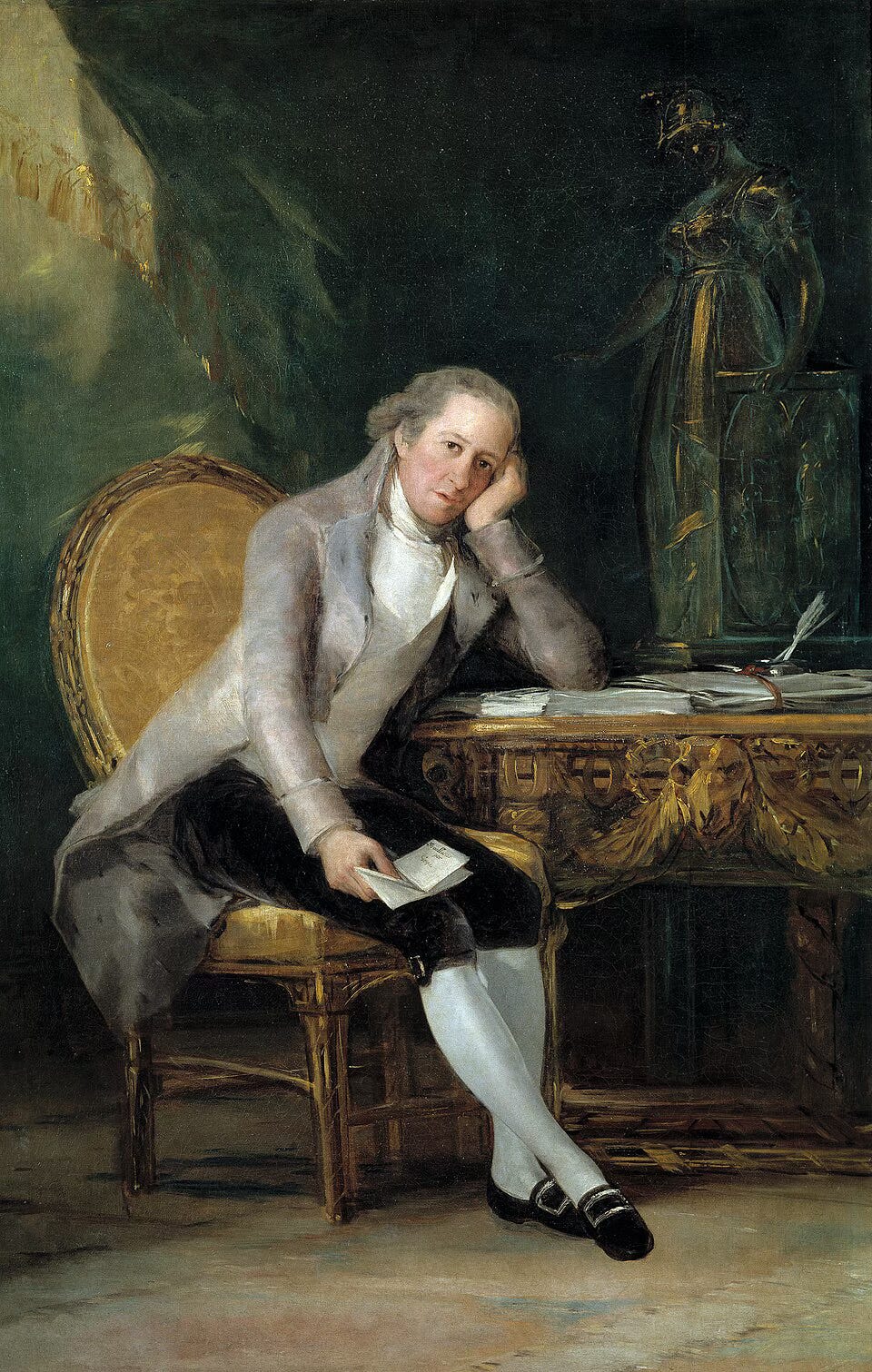
Cover painting: Francisco de Goya, porter of Gaspar Melchor de Jovellanos (1798)
Related Knowledge Center: [Information archive]
A collection of media-adjacent news and information.