
The psychological toll of climate change
The word solastalgia, which blends solace (comfort) and algia (pain) to convey the loss of environmental comfort, was coined in the early 2000s by Australian philosopher Glenn Albrecht. Years later, in 2017, a group of researchers from the American Psychological Association (APA) defined eco-anxiety as the “chronic fear of an environmental cataclysm caused by climate change.”
More precisely, eco-anxiety is understood as a specific type of anxiety triggered by climate-related events tied to global warming—floods, wildfires, heat waves, typhoons, hurricanes, and prolonged droughts. These events affect mental and physical health as well as social relationships. Symptoms include increased irritability, difficulty sleeping and concentrating, sadness, hypervigilance, and fatigue.
In Brazil, the recent tornado in Rio Bonito do Iguaçu, Paraná—just before the opening of COP30—adds to a series of tragedies that remain vivid in the national memory: the Mariana dam collapse (2015), the Brumadinho disaster (2019), the floods in Rio Grande do Sul (2024), and the large wildfires in the Pantanal (2024).
Environmental psychologists have closely monitored these events, working on multiple fronts to ease suffering. Their efforts range from providing psychological support to displaced families to assisting relatives searching for the bodies of missing loved ones.
In Europe, concepts such as eco-anxiety and solastalgia have gained greater visibility. In Paris in 2024, the French Ministry of Ecological Transition—the new name for the Ministry of the Environment—organized a multi-day workshop open to all employees to explain the meaning and relevance of these terms in the contemporary world.
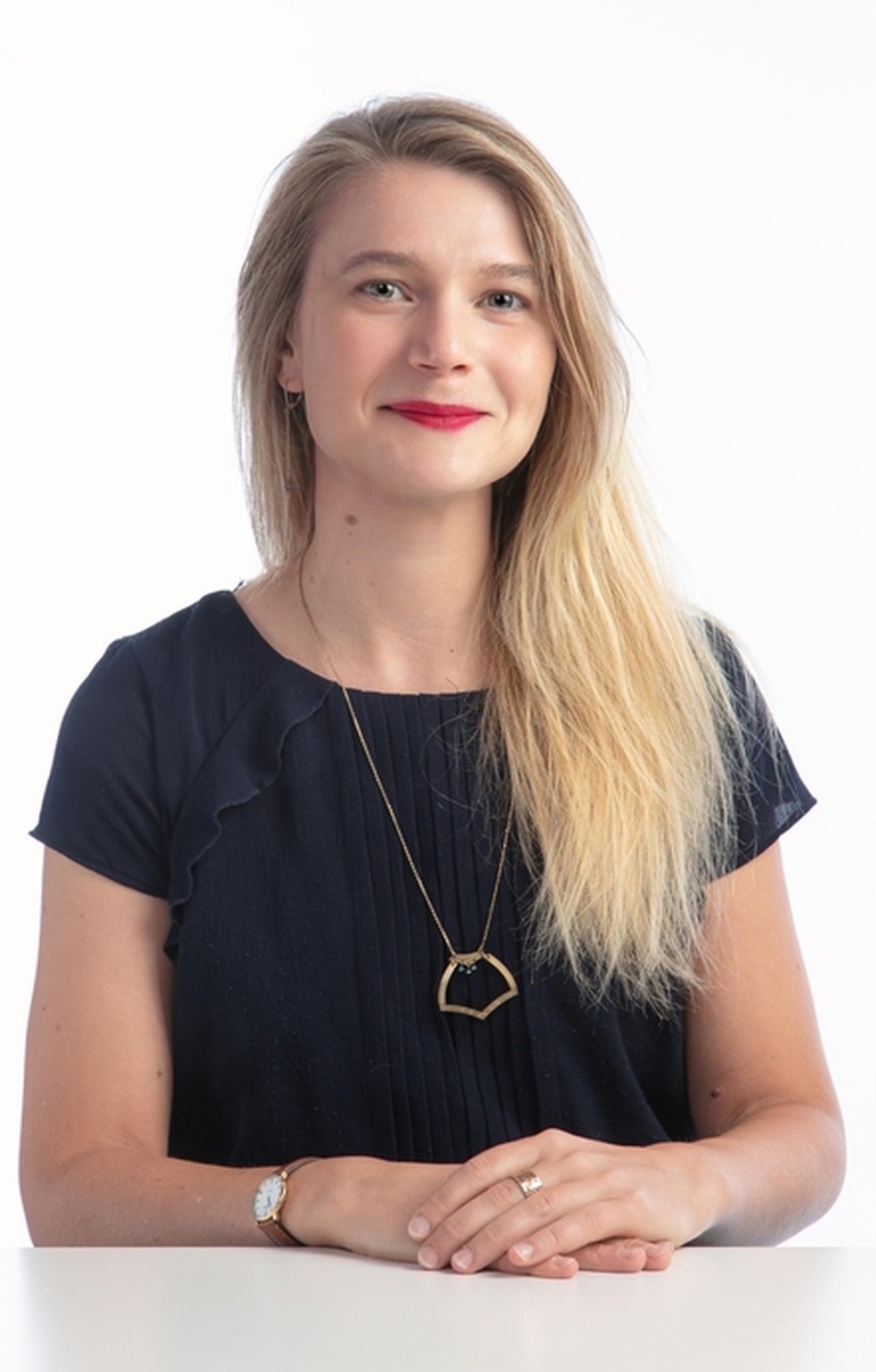
The workshop was led by psychologist Charline Schmerber, who lives in Montpellier in southern France and runs a website titled “Eco-emotions, eco-anxiety, solastalgia, and emotional resilience—Understanding the new emotions that arise in a changing world, welcoming them, expressing them, and regaining the impulse to act.”
Schmerber says an existential concern drew her to the field. “I went through a period of great inner turmoil when I began to understand the scale of the environmental crisis and the risks of the tragedies that are coming,” she told Valor. That was in 2019, and at the time, she found no one who could support her—or recognize that the topic was important and could evoke entirely legitimate emotions.
“As I worked on myself to build emotional resilience, I realized that if I had needed support during that phase, others probably did too. For me, it also became a way to take action and align this issue with my professional purpose, which is to help people find balance.”
Not wanting to navigate an unfamiliar subject alone, she created a 35-question survey and posted it online. It was spontaneously answered by 1,200 people across France. “I know it’s not representative of the entire French population, but it helped me understand people’s concerns. Many began writing to me through my website, describing their eco-emotions,” she says.
Today, she has clients throughout France and works in the field of prevention. Over time, she has become an expert on the subject and now collaborates with multidisciplinary teams that include psychotherapists, occupational psychologists, and psychiatrists.
Both solastalgia and eco-anxiety reflect perceptions aligned with scientific evidence about a challenging future—and a longing for a safer, more stable past. Sometimes these emotions arise in people who have directly experienced environmental disasters or witnessed them up close. Other times, they stem from fear and uncertainty about what lies ahead.
According to data from the World Health Organization released in a 2022 bulletin, climate-related risks increased significantly between 1970 and 2020, with half of all recorded events occurring after 2003 and affecting nearly 5 billion people. In reporting these figures, the WHO warns that climate change is exerting substantial and lasting impacts on people’s lives, which can directly and indirectly influence mental health and psychosocial well-being.
Between 2018 and 2019, internet searches for eco-anxiety and solastalgia surged. Psychologist Marco Aurélio de Carvalho—who observed the trend—founded the Brazilian Institute of Ecopsychology in Brasília in 2018 as the Brazilian representative of the International Society of Ecopsychology, based in Chiasso, Switzerland. Carvalho earned his degree in clinical psychology from the University of Brasília and holds a doctorate in sustainable development.
He says he chose to specialize in the field after noticing how deeply the younger generation—children and adolescents—was being affected by the climate crisis. “Alongside the evidence and tragedies we’re witnessing, we still live in a state of widespread denial about what is unfolding,” he says. “People feel distressed by a scenario that threatens their beliefs and economic activities. The desire not to look, to avoid the financial implications these events may bring, is understandable—but encouraging misinformation and denial is criminal.”
The Brazilian Institute of Ecopsychology has been working to prepare psychology professionals to address the mental health challenges posed by the environmental crisis. “Most psychotherapy schools are well equipped to deal with anxiety, distress, and grief. What we’re seeing now is all of that connected to the environment, which requires professionals to adapt to a new reality. It’s no longer just about physical threats to goods and property—it’s about how changes in ecosystems profoundly affect mental health.”
The concern, he explains, is ensuring that when someone seeks help with symptoms of solastalgia or eco-anxiety, the professional can recognize and support that individual. “And understand that it’s not a daydream or a fantasy, but a real risk.”
As research on these emotions advanced, the APA updated the definition of eco-anxiety in 2020 to make it more comprehensive, leading to the broader concept of climate anxiety. This term encompasses perceptions and concerns about the future impacts of climate change—on oneself, on future generations, or on the planet—and tends to affect people who are more aware of or involved in environmental issues.
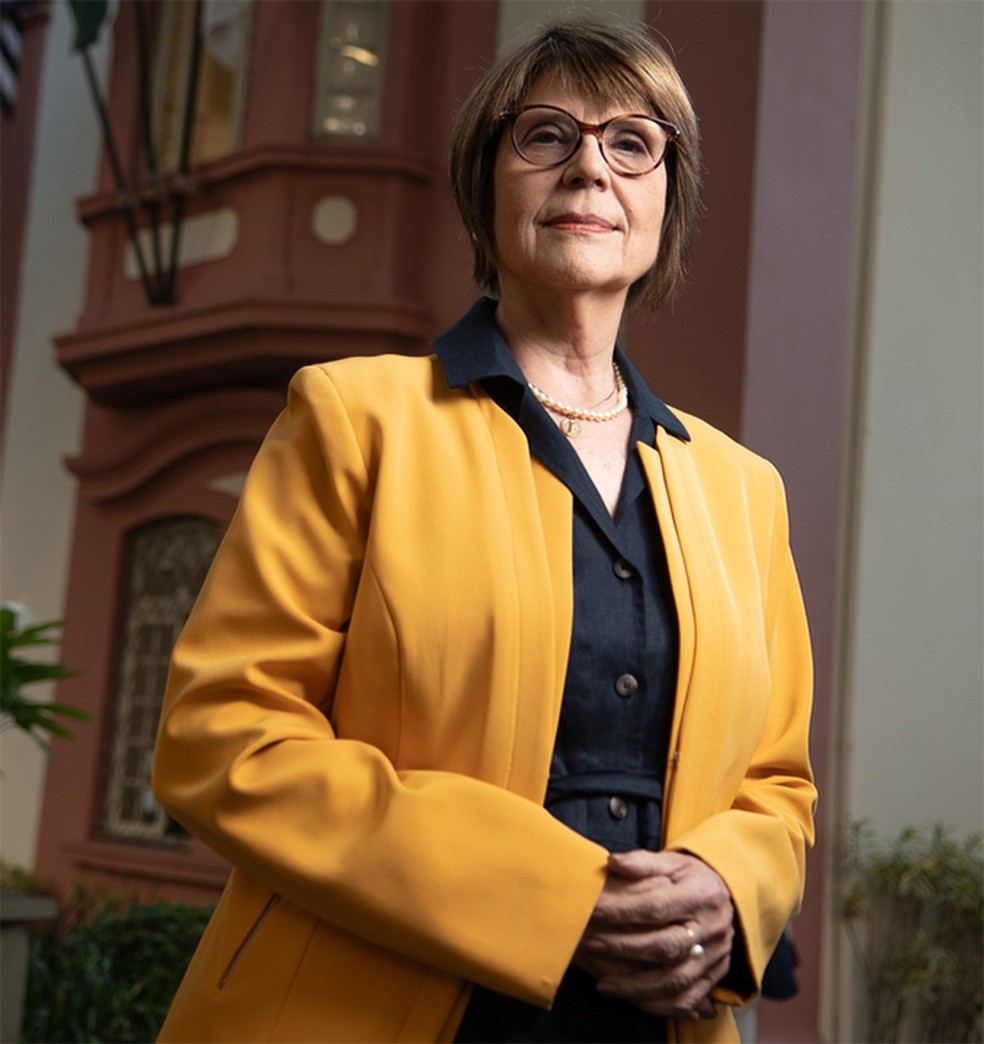
In São Paulo, one of the leading voices in this field is Professor Marlise Aparecida Bassani of the Pontifical Catholic University (PUC-SP), who taught the course “Anxiety and Climate Change” to master’s and doctoral students in the Department of Clinical Psychology. One outcome of the course was the creation of the booklet “Do you suffer from climate anxiety?,” available on the university’s website, offering general information for a broad audience.
“We felt the need not only to train new researchers and educators in the study of eco-anxiety and climate anxiety, but also to offer something to society,” Bassani explains. “We wanted to make our work accessible so that reliable information could help reduce—and perhaps prevent—the suffering caused by misinformation about the mental health impacts of climate change.”
All versions of the booklet emphasize that climate anxiety is an emotional state, not a disease. “We can manage, control, and prevent it. And we have resources and knowledge in environmental psychology and clinical psychology that can support the prevention and treatment of climate anxiety,” she says.
Bassani first encountered the topic in 1998 at the Interamerican Society of Psychology Congress, held at PUC-SP. The event brought together representatives from several European, South American, and North American countries. Afterward, she was tasked with establishing a Center for Studies and Research in Environmental Psychology and Health—particularly mental health—at the university.
Not only large-scale tragedies but also broader developments—such as rising global temperatures—now fall within the scope of climate anxiety, Bassani says. “The impact of this is increasingly significant in people’s daily lives and routines. It manifests as a search for well-being or as suffering that can lead to illness and compromise mental health. These issues can no longer be absent from research or from the training of new scholars in Brazil.”
In the case of disasters like the Mariana and Brumadinho disasters, which forced residents from their homes, she explains that attachment to place, affection for the environment, and the loss of both can have devastating psychological consequences. “These experiences can lead to depression and even violence, because they generate a tremendous amount of anger. That’s why we need to inform people and teach them resilience.”
Resilience is essential, says environmental psychologist Helcia Veriato Teixeira, who worked directly in the field during both tragedies. After supporting victims of the Mariana disaster and their families, she moved to Brumadinho in 2018. Less than a year later, in January 2019, the Córrego do Feijão mine dam collapsed, killing 272 people.
“I already had experience responding to the mud disaster, but in Mariana I was there as a researcher; in Brumadinho, I was also personally affected,” she recalls. “In a disaster emergency, you do everything, because people have lost their homes, lost everything. They need shelter, and your role is to offer both material and psychological support. I helped families search for the remains of relatives, because the bodies were ‘mined,’ as we say—fragmented by the force of the mud. That pain is immeasurable.”
Ten years after Mariana, she says it is still distressing to speak about the event. “In Mariana, we saw the contamination of the Doce River Basin, which led to the death of an entire ecosystem. I don’t know how to measure the mental illness that resulted from that.” Comparing the two cases, she notes that contamination in Brumadinho was less severe, but the human tragedy was far greater.
The psychological impact of such disasters also varies depending on the affected population—urban residents, Quilombola communities, or Indigenous peoples. “In urban communities, illness is closely tied to the loss of loved ones: a relative, a friend. In the city, all of us have experienced some kind of grief,” she says. “Another source of suffering is having your home destroyed by mud. Some people endured both: ‘I lost the person I love, I lost the house where I lived, and my world ended.’”
For Indigenous peoples and Quilombola communities, Teixeira says, mourning takes on another dimension: it is the loss of biodiversity. “Indigenous people live from nature; they plant along the riverbank, and the fish they depend on can no longer survive in that river.”
What, then, is the role of environmental psychology in moments like these? “Ah, it’s a challenge,” she says. “I’ve learned much more than I’ve taught, because our work is to listen. And in a moment of so much discomfort, destruction, and pain, we need to embrace that grief and start rebuilding possibilities.”
One path, she says, is to help create economic alternatives in territories that rely solely on mining. “We need to rethink the economy so we are no longer dependent on minerals. We need to create other ways of surviving—valuing gastronomy, crafts, and local culture.”
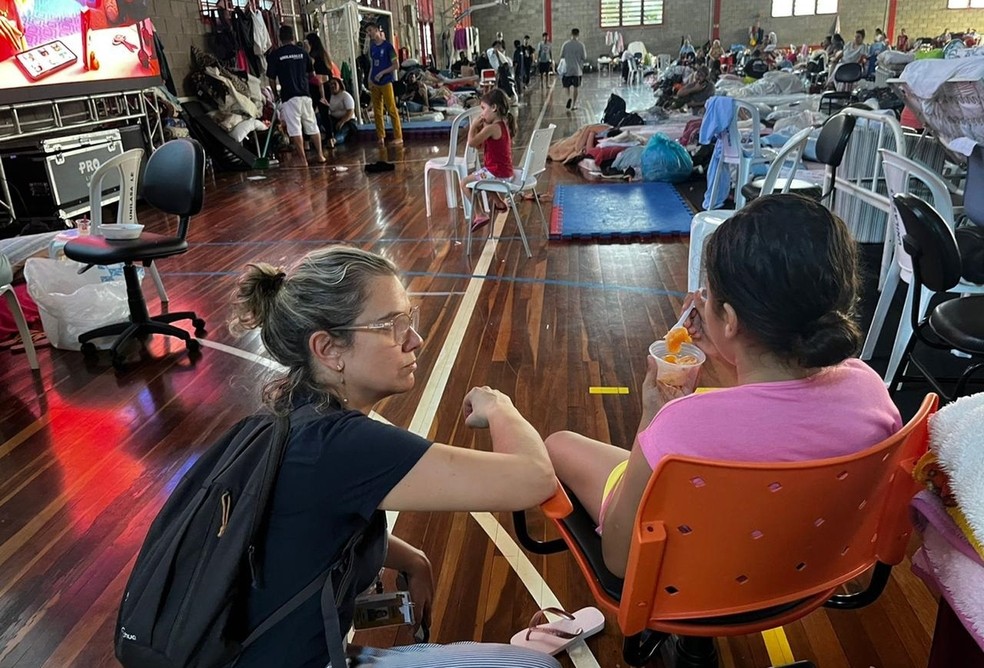
In Canoas, Rio Grande do Sul, environmental psychologist Camila Bolzan de Campos has also been part of large-scale aid efforts. Her work began in 2023, when an extratropical cyclone struck several municipalities in Rio Grande do Sul and Santa Catarina. “I went to a small coastal town of 7,000 inhabitants where 11 people died.”
That same year, she worked in the Taquari Valley, where a major flood affected ten municipalities. In 2024, Campos helped support victims of the rains and floods in Rio Grande do Sul, which affected more than 2 million people and were considered the largest natural disaster in the state’s history.
“The routine in Canoas changed completely. With the Porto Alegre airport closed, people began boarding at the Canoas Air Base, which isn’t an airport. Many residents had to leave their homes and move into shelters or stay with relatives,” she says. “The more an extreme weather event impacts a person, the greater the likelihood they will experience symptoms linked to post-traumatic stress disorder, anxiety, and depression.”
Now, she adds, there is widespread fear that the disaster will happen again. “There is a climate of fear. As a teacher, when the forecast calls for rain, I start getting messages in the middle of the afternoon asking if classes will be canceled…” She notes that some studies compare the emotional experiences of people who have lived through events like these to those of soldiers returning from war, still haunted by nightmares.
Campos says another challenge is the fleeting nature of outside help. When the tragedy strikes, she explains, dozens of people mobilize and volunteers arrive from all over the country. Then, suddenly, the support disappears. “Everyone leaves. And then what? How do we ask for help again? What do we say—that people are devastated? The solution is to train mental health professionals within the municipality and rely on community resilience, on mutual support among residents.”
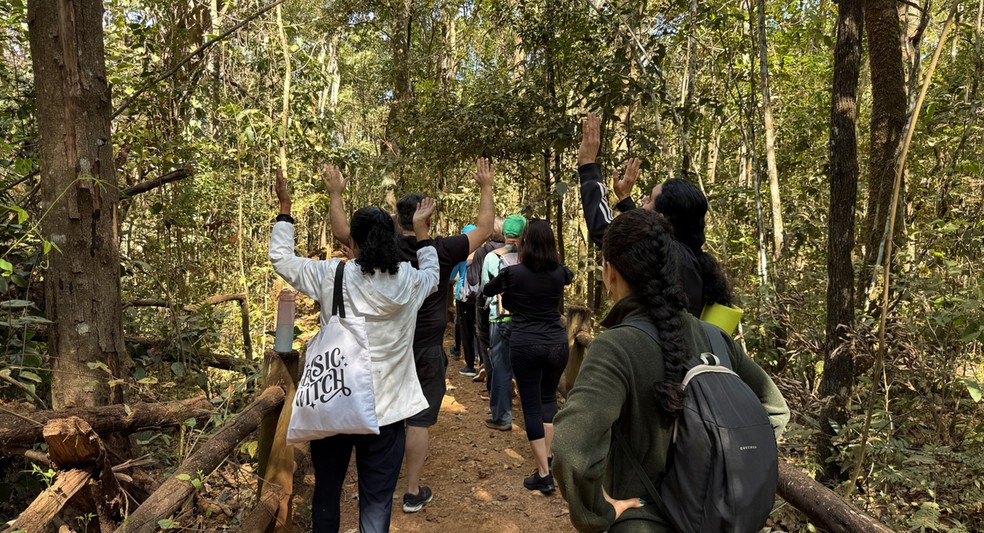
Despite the tragedies, new initiatives are emerging to reconnect people with nature and promote physical and mental well-being. One of them is “Forest Bathing,” organized by the Oswaldo Cruz Foundation (Fiocruz) in partnership with the Brazilian Institute of Ecopsychology. “Forest Bathing is a practice that originated in Japan in the early 1980s, when researchers began identifying the benefits of being in contact with nature,” explains Guilherme Franco, a public health physician and the project’s coordinator.
In practice, the experience consists of guided group walks through the forest. The first edition took place at Brasília National Park. It lasted eight weeks, with sessions offered only on Saturdays and Sundays. “We want to prepare a technical-scientific report to submit to public agencies so the project can be included in the Integrative and Complementary Practices Policy already in place within the SUS,” Franco says, referring to Brazil’s Unified Health System.
Franco believes that many contemporary symptoms stem from what he calls a “nature deficit,” a concept from ecopsychology that reflects how far society has distanced itself from the natural world. He describes modern life as an “artificialized society dominated by the logic of consumption, which distances us from natural relationships and our origins.”
Art has also become a way to transcend the pain of environmental tragedies. This is the intention behind the Brumadinho Memorial, designed by Minas Gerais architect Gustavo Penna. The space, which opened this year, is dedicated to preserving the memory of the victims of the Córrego do Feijão mine dam collapse.
“I felt that our mission in Brumadinho was to humbly listen to that immeasurable pain and transform it into a place,” Penna says. “Suffering, like art, has no dimension. How do you measure a feeling? You can’t quantify love in kilos, friendship in meters, or anguish in bottles. The only way humans have found to transcend pain is through art. When you transform pain into something visible, you make the feeling three-dimensional.”
Visitors experience this immaterial dimension of art as they walk through open-air rooms and the forest where 272 yellow ipê trees were planted—one for each life lost. For Penna, even when expressed in a concrete memorial, pain remains something intangible. “The memorial is simply a way of making the invisible visible. Of turning matter into poetry.”