
Newsom Signs Climate, Energy Bills Charting State Course Through Perilous ‘Mid-Transition’
“We have to effectively transition,” Newsom said before signing the bills at the Academy of Sciences in San Francisco. “This is not an ideological endeavor.”
“We are in the practical application business,” he said. “We have got to manifest our ideals and our goals. And so this lays it out, but it lays it out without laying tracks over folks.”
California has reached a unique moment, state leaders and analysts argue. The state is far enough along in its transition away from fossil fuels that it needs to maintain two energy delivery systems at once: oil and gas on one side and electricity built on carbon-free energy on the other. The juggling act is costly, messy, and requires intentional planning and often unsavory compromises.
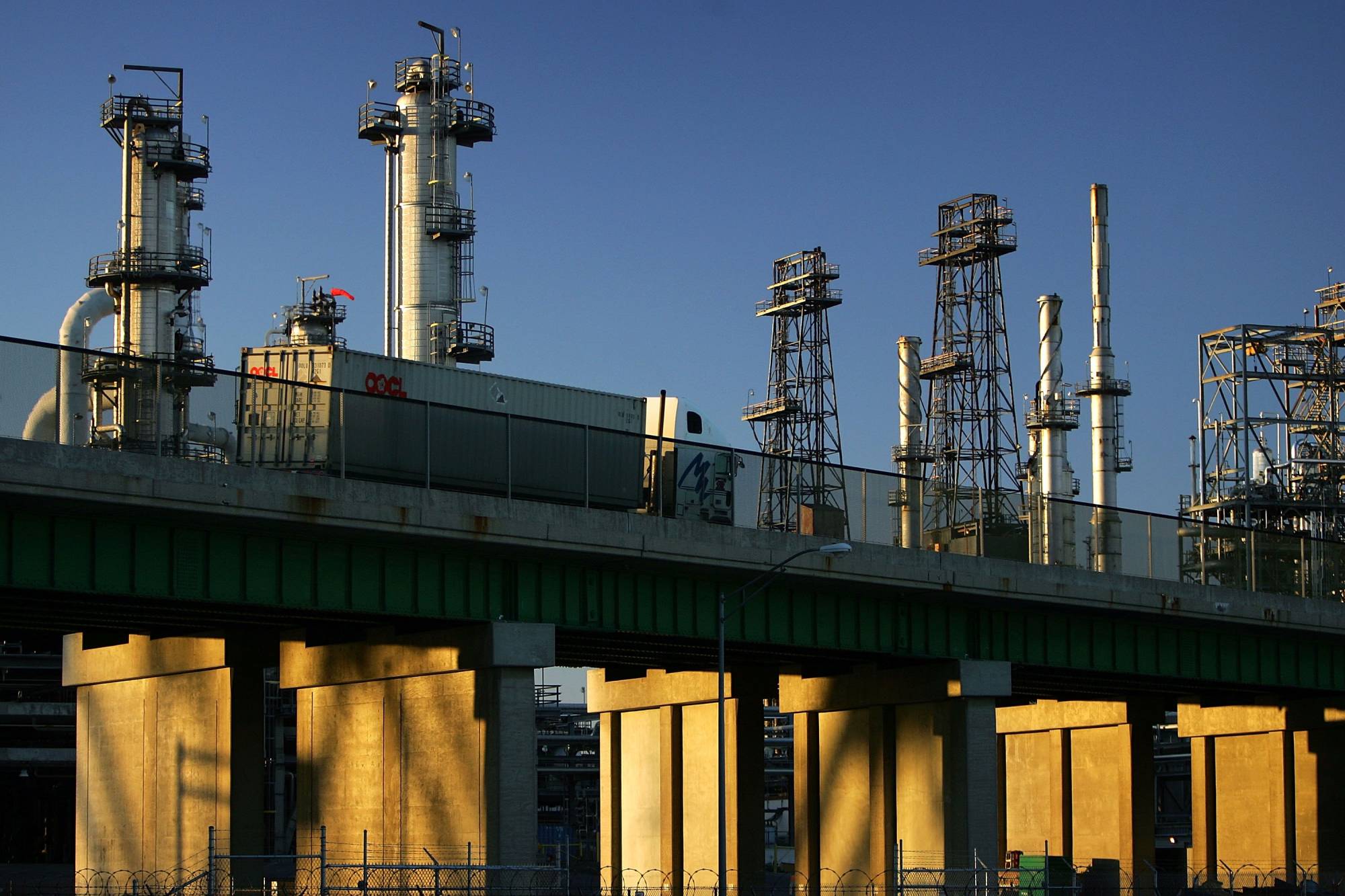
The state of limbo, which will likely last decades in California, has been labeled “mid-transition” by Emily Grubert, a sustainable energy researcher at the University of Notre Dame. Grubert said California is among the first places “actually dealing with many of these questions of managed transition” away from fossil fuels.
“How the state of California deals with the transition of [oil] refining really is going to inform the way that many, many other transitions occur,” Grubert told lawmakers last month, including how the state will move away from gas and towards electricity for tasks like heating and cooling homes.
Newsom and fellow Democrats faced a bevy of challenges as they negotiated the climate package in the waning hours of the legislative year. Voters remain anxious about rising energy costs. Two refineries, Phillips 66 in Los Angeles and Valero in Benicia, announced plans to close, threatening a spike in gas prices. And wildfires made more intense by climate change have devastated California communities and driven up insurance and electricity costs.
Balancing acts, political compromises
The five bills Newsom signed on Friday reflect the delicate balancing act facing lawmakers during this transitory period. The agreements brought both wins and losses for the state’s powerful utilities and oil and gas companies — and left many environmental justice advocates frustrated over the lack of emphasis on reducing local air pollution in low-income communities.
“We had five huge planes all circling, and we had to make sure they didn’t crash into each other,” said Sen. Josh Becker, a Democrat representing the Peninsula. “Really, the feeling was they were all going to land or none of them were going to land.”
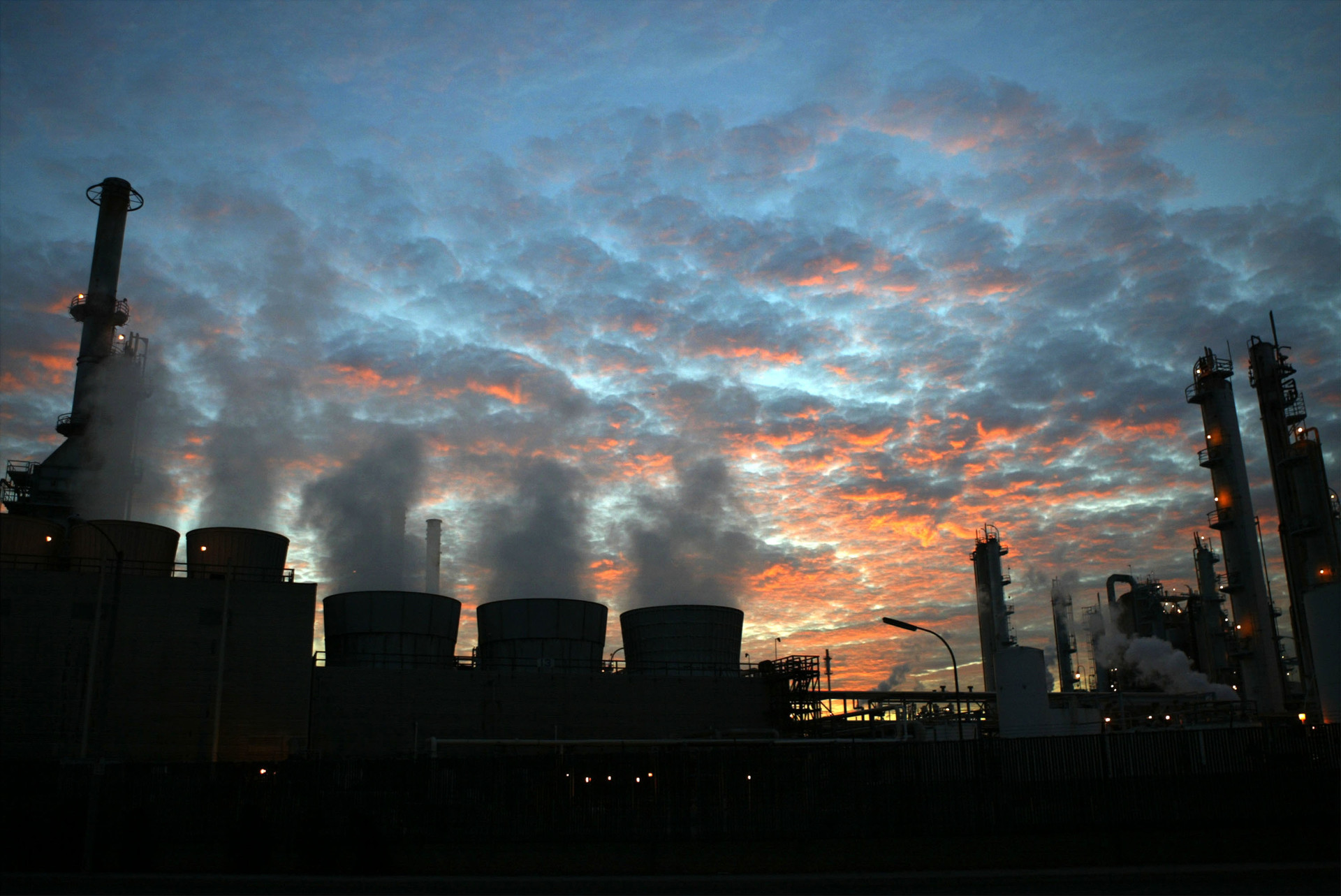
Under Assembly Bill 1207, companies will face more strict pollution limits each year until 2045 — that’s the “cap” in the renamed Cap-and-Invest program. State regulators will more closely monitor the financial help oil companies get to follow the program’s rules.
“This is the most important U.S. climate policy for the foreseeable future,” said Kyle Meng, a professor at UC Santa Barbara. “In the absence of any climate action from D.C., for California to signal this commitment for two decades, that’s a really big deal.”
But a separate bill, Senate Bill 237, eases regulations on oil drilling in Kern County and gives the governor new powers to loosen clean fuel standards if gas prices spike.
The compromise is an attempt to appease both environmental advocates and oil companies and address the upcoming refinery closures. The state’s demand for gas has consistently declined in recent years, peaking in 2017, according to California Energy Commission data. But supply of both crude and refined oil from California is dropping far faster, leaving a yawning gap that is concerning to state leaders.
In addition to legislative concessions, the Energy Commission voted last month to delay capping oil company profits until at least 2030 — an about-face from two years earlier, when Newsom called a special session that resulted in that very law.
Taken all together, the package of bills and policy changes is by no means a reversal of the state’s aggressive plan to wean itself off of fossil fuels. But the course correction showed that some leading Democrats are worried that the pace of its transition was too rapid.
“I probably voted for every bill that went through the legislature to get us off of fossil fuels,” said Lorena Gonzalez, a former Assembly member, while speaking at a Public Policy Institute of California conference last month.
“I was very much and am very supportive of a transition to a new energy economy,” said Gonzalez, who is now president of the California Labor Federation. “That being said, the legislature, myself included, rushed this idea.”
Real-time policy for real-time problems
Senate Bill 254 adds $18 billion to the state’s Wildfire Fund, which utilities can tap into to stave off bankruptcy if their equipment has been found to spark a wildfire. With Southern California Edison facing potential exposure from the Eaton Fire, lawmakers leveraged the desire from utilities to replenish the fund to include reforms that aim to lower electricity rates.
UC Berkeley professor Meredith Fowlie said Senate Bill 254 is an example of California acting as a laboratory for policies to make electricity more affordable.
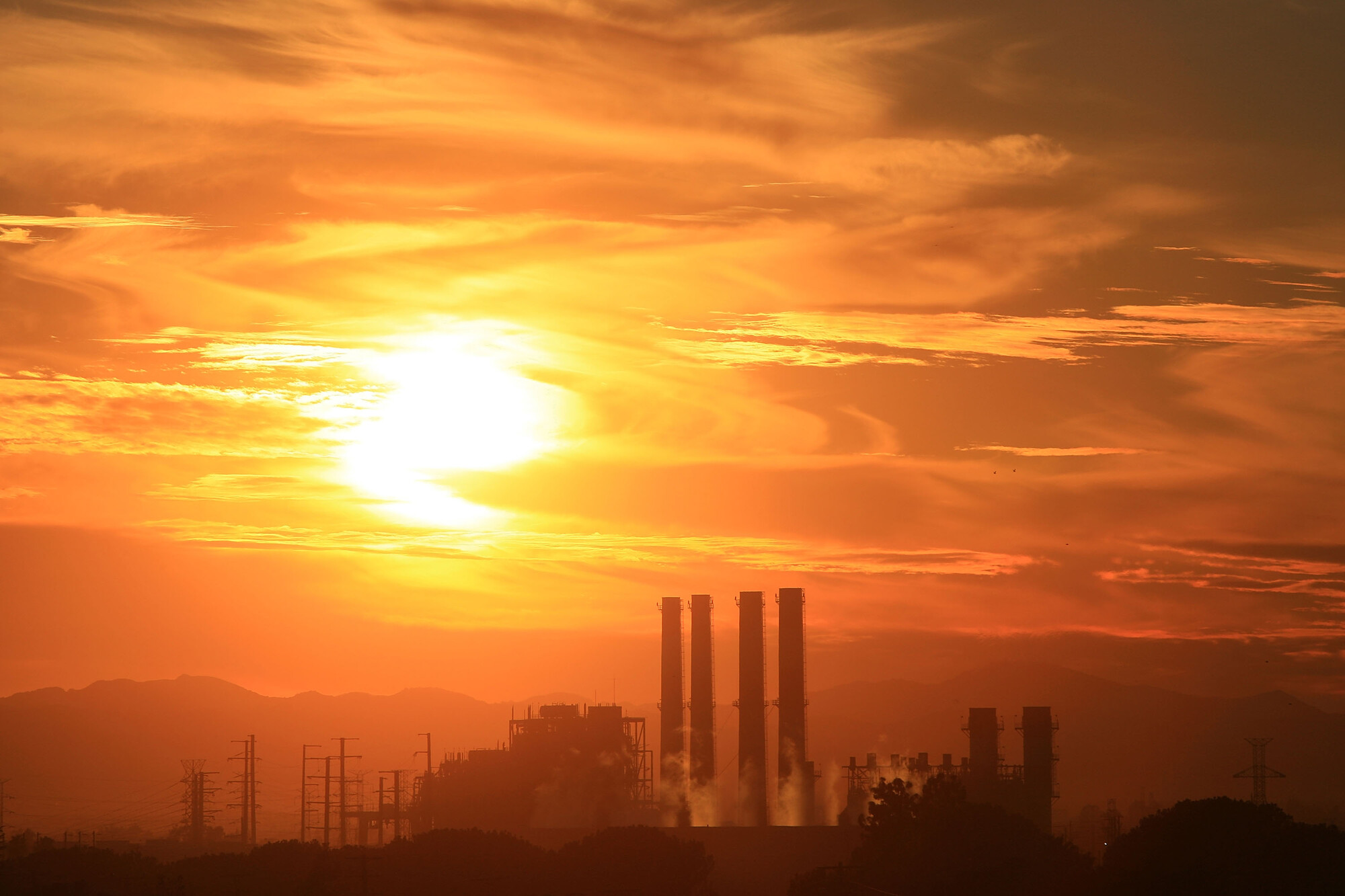
“A lot of this policy is being made in real time in response to challenges that are manifesting in real time,” she said.
Senate Bill 254 will allow the state to issue bonds to finance the construction of transmission lines at a cheaper price than utilities. The legislation also gives regulators more tools to rein in the money power companies spend to prevent wildfires, a key driver of higher electricity rates.
The new cap-and-invest program will shift the biannual “climate credit” rebate that appears on customers’ bills to the hottest months of the year when Californians are using the most electricity. It will also boost the credit on electric bills by reducing it on gas bills — further incentivizing the energy transition at a household level.