
New pine bark filter removes over 90% of drug traces from wastewater
Iron-modified pine bark is the newest, cheapest way to remove drug waste from water resources.
Researchers at the University of Oulu in Finland have developed this low-cost, sustainable water-treatment medium to remove pharmaceutical residues from wastewater.
“Producing a solid purification medium from pine bark is cost‑effective because high temperatures are not required, and the modification is simple. The material can also be used to remove other contaminants,” said Tiina Leiviskä, Professor at Chemical Process Engineering Unit, in a press statement on January 21.
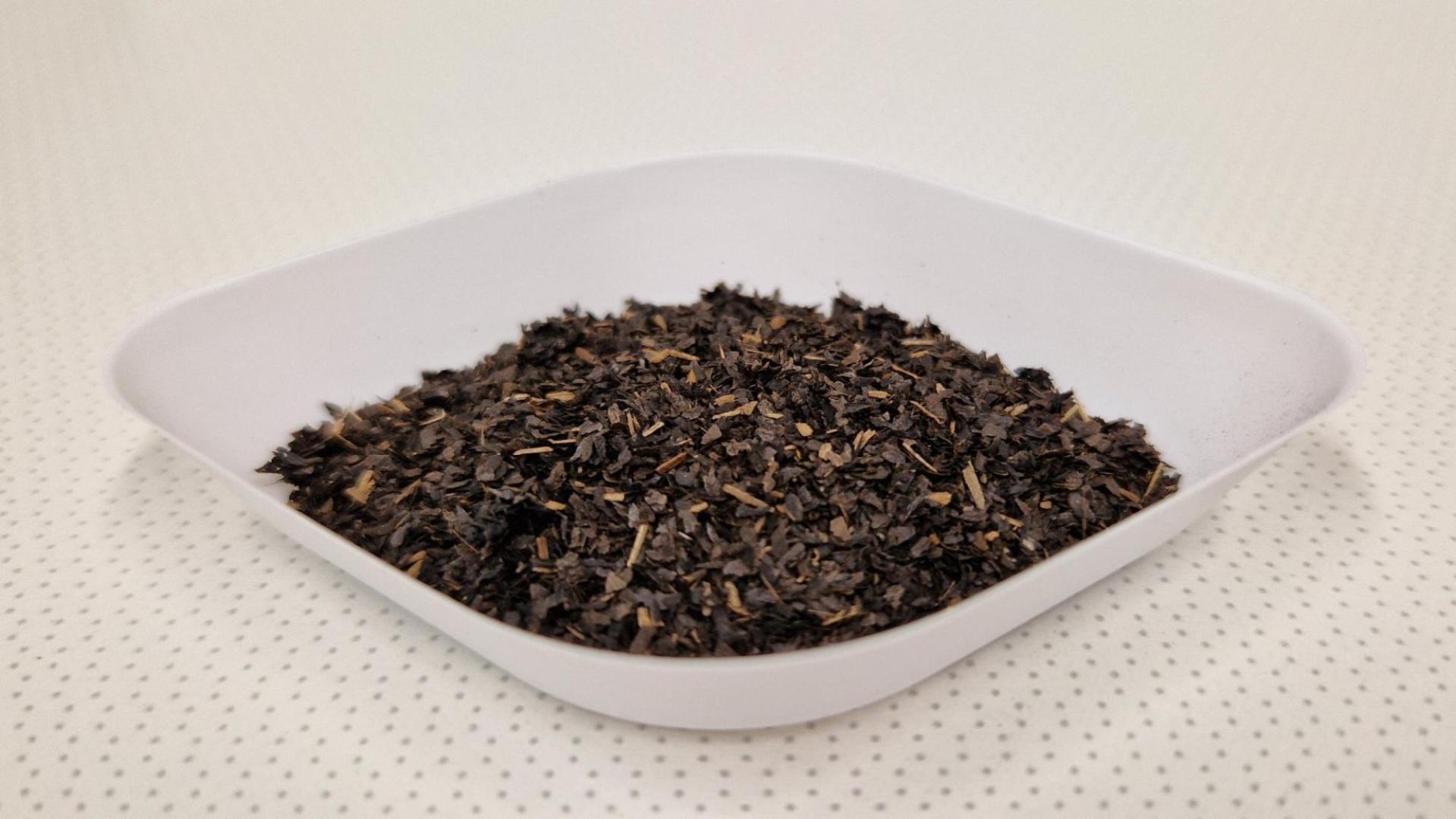
Pine bark hack for cleaner water
Medicines enter our sewer systems through three primary channels: household use, hospital waste, and industrial manufacturing.
Modern wastewater plants are good at removing basic waste, but they are not designed to filter out the tiny chemical traces from medicines.
As a result, pharmaceutical residues — ranging from common painkillers to potent antidepressants — slip through the treatment process and are discharged into natural waterways.
When medicine leaks into nature, it turns waterways into a training ground for germs. These germs learn to survive the drugs, creating “superbugs” that make antibiotics less effective and harder to fight.
But the Oulu team suggests that the solution to this severe pollution may be as old as the boreal forest itself.
Doctoral researcher Mahdiyeh Mohammadzadeh has successfully piloted a purification system that uses chemically modified pine bark to catch pharmaceutical residues before the waste reaches rivers.
Pine bark is naturally rich in polyphenolic compounds, which act as chemical hooks that allow the material to be easily modified.
By adding magnetite (iron oxide) to these compounds, researchers created a magnetic purification medium that can be effortlessly retrieved from water after use.
This modified bark proved highly effective at capturing a wide range of common drugs, including antibiotics such as trimethoprim, the antidepressant venlafaxine, and various pain and blood pressure medications.
Low-cost solution
Researchers spent four months testing the material at Oulu’s Taskila plant, specifically targeting post-treatment water.
Although drug levels there are low, but still high enough to damage ecosystems, making this a critical final defense.
The material achieved removal rates of over 90% for several drugs, nearly eliminating the antibiotic trimethoprim (99.7%) and the antidepressant venlafaxine (93.7%).
In addition, the researchers developed advanced cobalt-magnetite composites capable of breaking down the potent antibiotic levofloxacin.
Current methods primarily use activated carbon and ozonation for water treatment, but the tech entails high financial and environmental costs.
Moreover, creating activated carbon requires activation, a process involving extremely high temperatures (often over 800°C) and energy-intensive heating.
The pine bark hack uses simple chemistry at low temperatures to achieve the same results for less money.
Also, it offers a “circular economy” alternative that is significantly more affordable, as it is an abundant byproduct (waste product) of the forestry industry.
“Our results offer a concrete, circular-economy-based option to this challenge. I hope wastewater treatment plants and the forest sector will explore collaboration opportunities,” Mohammadzadeh noted.
With the 2024 Urban Wastewater Directive, the EU has finally set a high bar for water purity.
Facilities must now implement advanced fourth-stage treatment to strip out 80% of medicinal residues, making sustainable innovations like modified pine bark more essential than ever.
Apart from industrial solutions, the researchers recommend taking care at the individual level by never flushing medicines or tossing them in the trash. Instead, dispose of unused drugs safely.