Nahant seagrass leaves clues for climate change
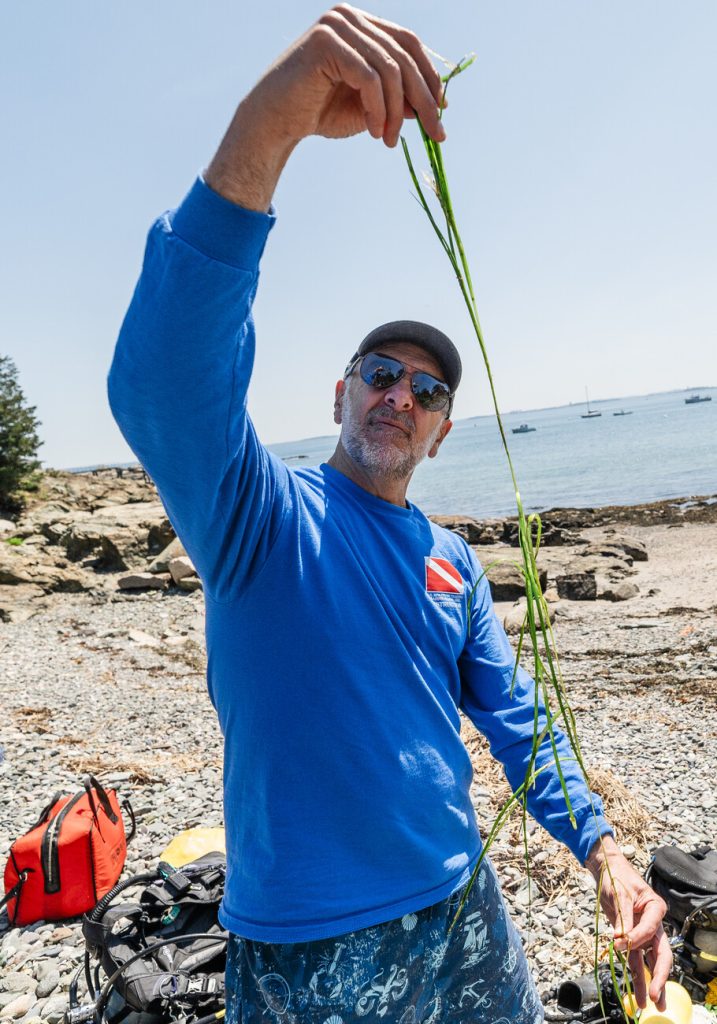
NAHANT — The Environmental Protection Agency (EPA) is busily studying flowering rates in seagrass meadows, with the hopes of doing large-scale restoration work, according to Marine Biologist Phil Colarusso.
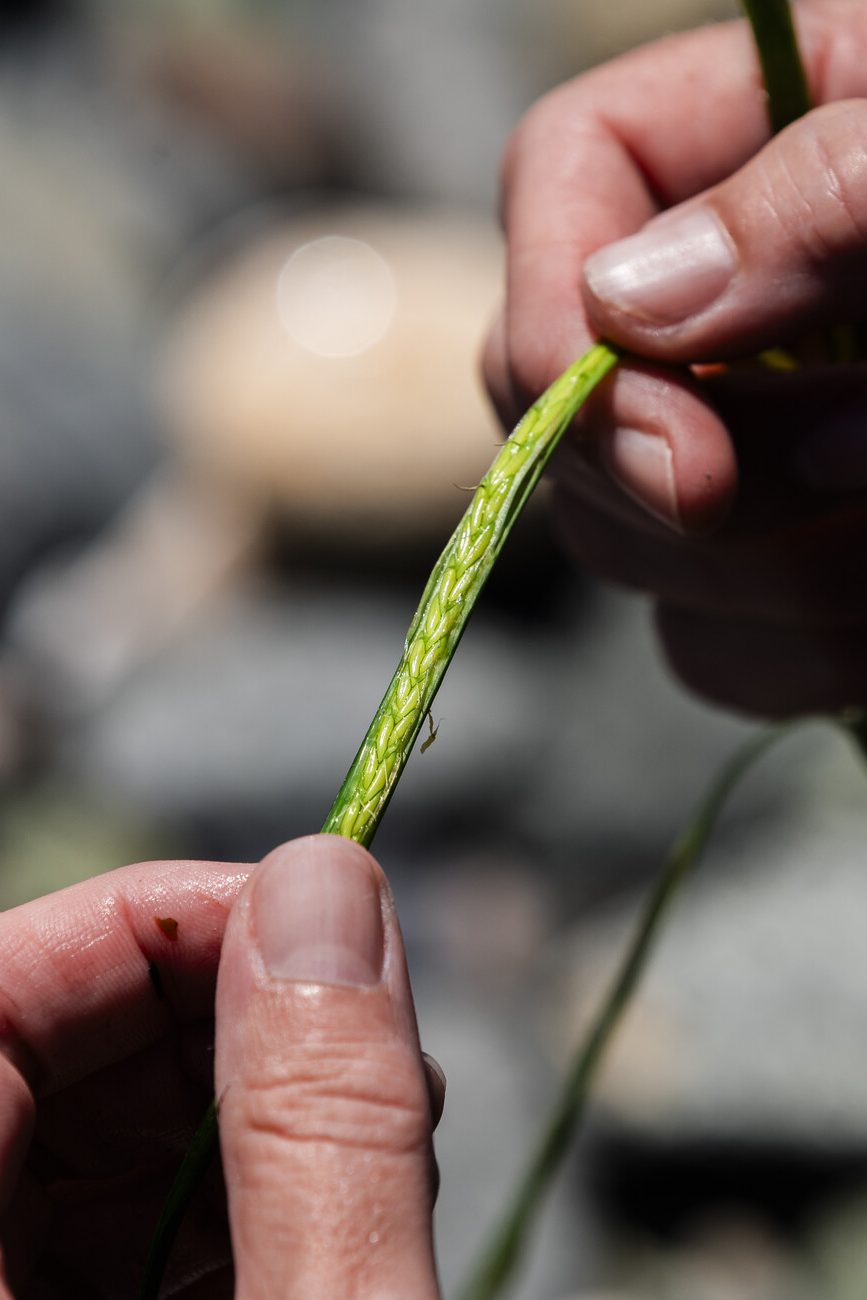
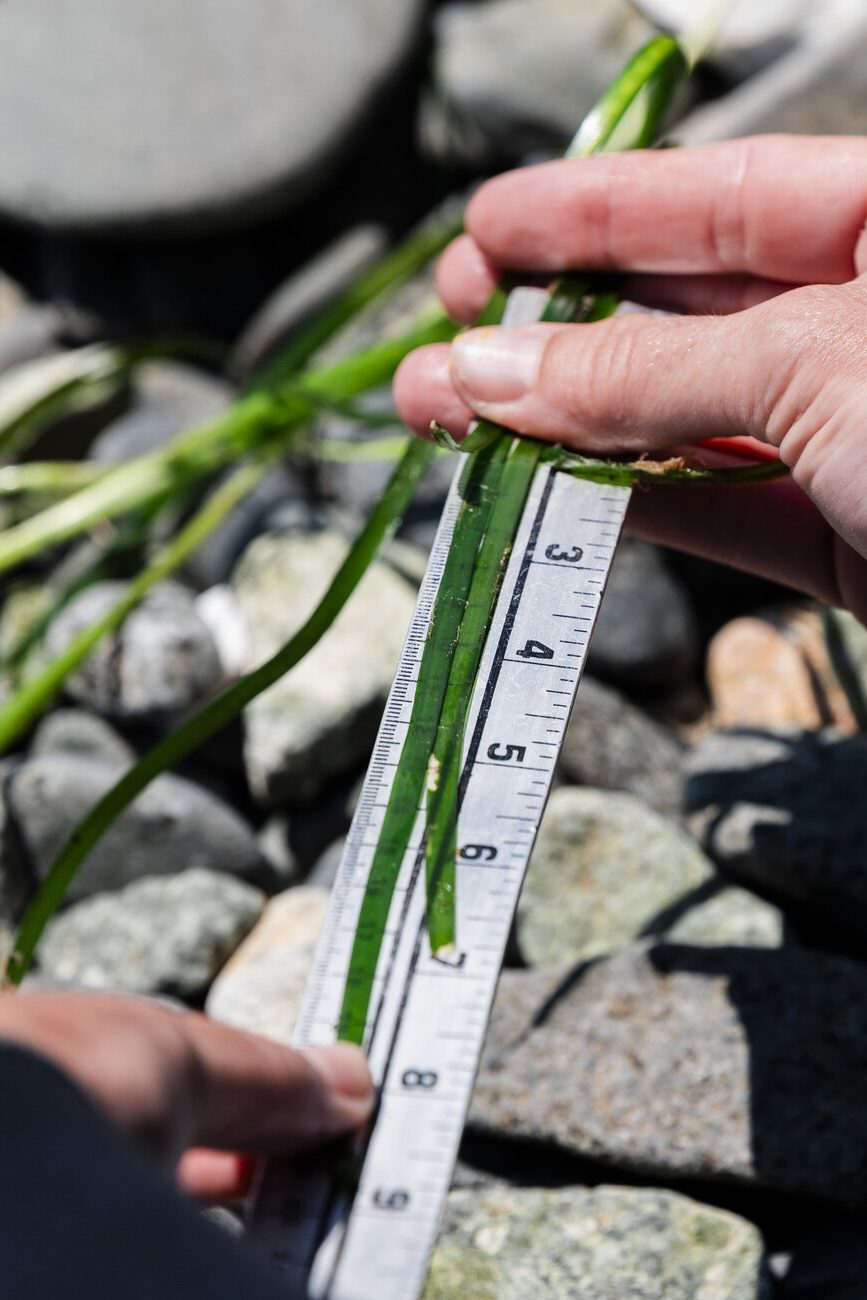
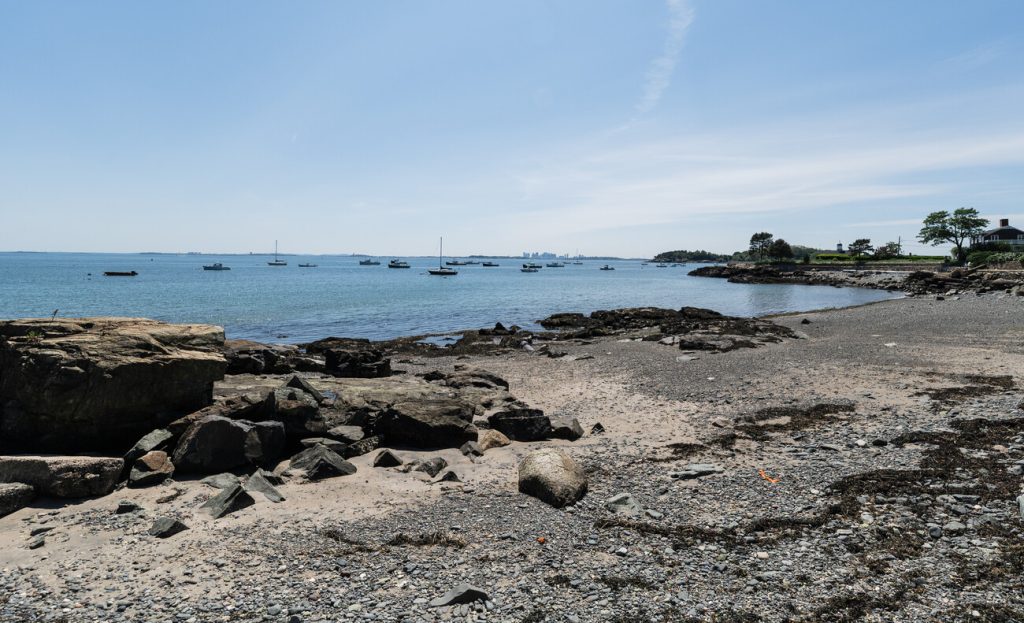
The EPA and several divers gathered at Curlew Beach just beyond the Wharf on Tuesday afternoon to collect samples of eelgrass and study the flowering rates accordingly.
“The best way to do that is to know which meadows flower at the highest rate,” Colarusso explained. “When we go out and collect seeds from the flowers to restore meadows in other locations, we can maximize the amount of yield and minimize the amount of time that we need to be in the water.”
Colarusso said that the water in the area of sampling was “pretty clear relative to many other places I’ve been to… These plants need a lot of light and clear water, so places like this, which are protected, make an ideal habitat for them (the eelgrass).”
He then elaborated on their hopes during these efforts to sample the eelgrass.
“Our hope is that we’re able to find meadows where we can collect a lot of seeds, and start new meadows on new locations,” Colarusso said. He noted similar work was done in Virginia and other “smaller-scale” work throughout Massachusetts. “We’re hoping to get about a million seeds out in the field, and starting new meadows using that technique.”

Colarusso continued, “The benefit of that is that these habitats are portable nurseries for fish, and a wide variety of marine life… They also sequester carbon, so they mitigate climate change. They protect the shoreline because they dampen wave energy. They also produce oxygen — so, the stuff you’re breathing right now is partially from them.”
He added that he loves coming to Nahant, and has been doing studies in the area since the 1990s. “I love coming and seeing how things change year to year, and collect as much information as we can,” he said.
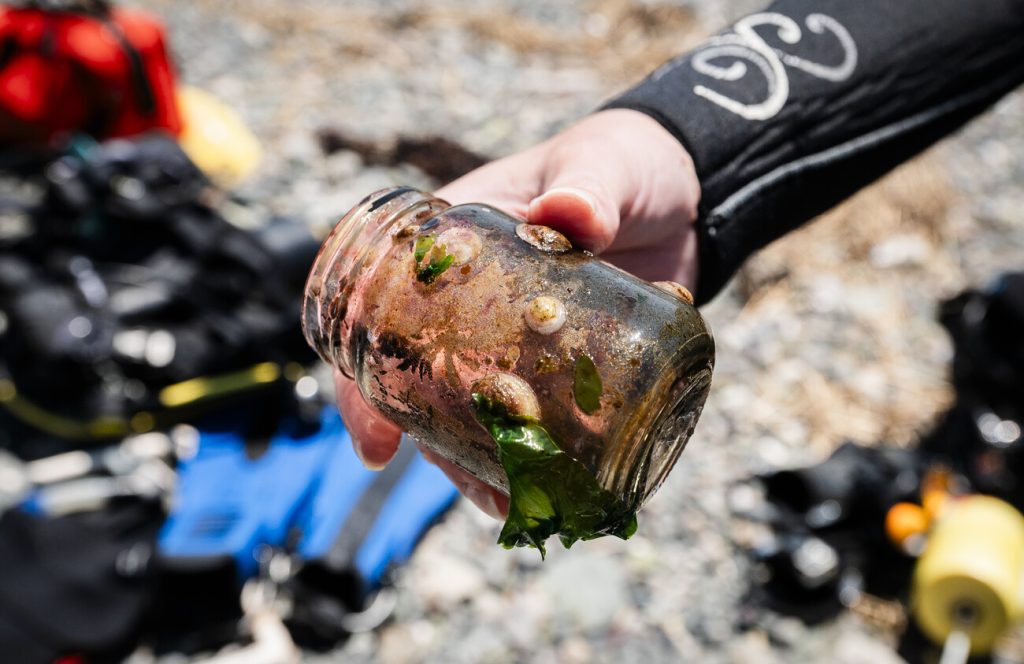
He explained that the EPA will be coming back to the area every two weeks until roughly about the middle of September.
Vi Patek, president of Nahant Safer Water in Massachusetts (SWIM) Inc., who collaborated with the EPA, was also on the scene, where she explained an upcoming event tied into today’s efforts.
“We’re planning an event on June 28 from 8-10 a.m., to net micro-organisms that live in the seagrass, as a ‘citizens scientist’ activity — so that people can understand how incredibly important it is,” Patek said. She noted that they’re collaborating with Swampscott Conservancy, as the event will be held in Swampscott.