
Lessons From Elsewhere: Managing San Francisco's Stormwater and Sewage Mess
New York has invested in green infrastructure, turning its concrete jungle into a sponge to soak up water. Chicago and Milwaukee both dug massive tunnels deep in the earth to capture water flows while also leading the way with adaptation strategies.
San Francisco has upgraded parts of the combined sewer and stormwater system, installed collection boxes across the city and created hundreds of small green infrastructure projects, all to capture hundreds of millions of gallons of water annually, reducing overflows by 80% since the 1970s.
Most of the year, the system works well, treating all of the city’s wastewater with little issue. However, during the rainy season, the city discharges nearly 2 billion gallons of sewage water into the ocean and San Francisco Bay, according to the Federal Environmental Protection Agency.
Surfers and environmentalists are pressing the city to reduce pollution further and say they avoid the ocean on rainy days because swimming in the murky water can lead to ear and skin infections.
Last winter, sewers spilled into the bay 15 times, according to the San Francisco Public Utilities Commission. In an email to KQED, city officials wrote that all its fixes “alone are not a solution for reducing the impact of the increasingly intense storms that climate change brings.”
The dispute over water pollution in San Francisco reached the Supreme Court after the EPA alleged the city repeatedly violated the Clean Water Act.
San Francisco sued in response, claiming the regulations were too vague. The conservative-leaning court largely sided with the city in an opinion released in early March.
There’s no simple or cheap solution for San Francisco’s sewage woes, and no city has implemented a perfect fix, but Chicago, Milwaukee and New York’s efforts to soak up the rain provide a potential model for how to tackle the problem.
Chicago — ‘Waterways are cleaner than ever’
Chicago has a long history of water quality issues. In the late 1800s, the Chicago River was essentially the city’s latrine and flowed directly into Lake Michigan.
“We soon started to see massive outbreaks of typhoid and other waterborne diseases,” said Karl Rockne, an environmental engineering professor at the University of Illinois Chicago. “We recognized that we had to do something here in Chicago.”
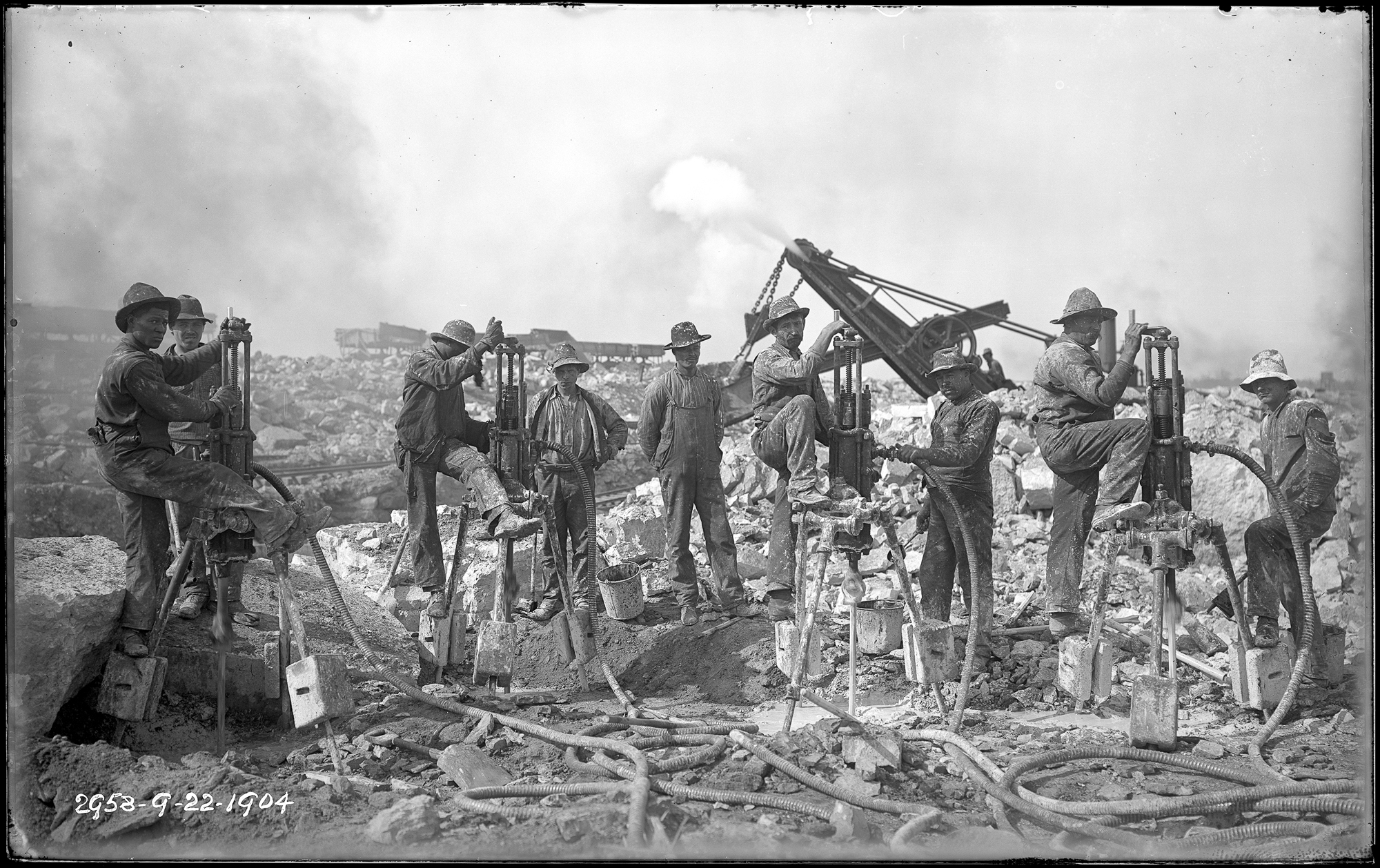
To prevent sewage from reaching Lake Michigan, the city reversed the river’s flow on Jan. 2, 1900. The city later built an elaborate maze of sewers and treatment plants and by 1930, according to the Sewers Collection at the Chicago Library, it had the most extensive system in the world.
But that was not enough, and in the 1970s, the Windy City still discharged sewage into waterways about 100 times a year. The federal government required Chicago to clean up its act.
Since then, Chicago has reduced its smelly water issues by digging massive tunnels up to 300 feet below the Chicago River and others that flow around the city.