
Korean finance ministry holds public-private meeting on solar energy: “Key pillar of national carbon neutrality strategy”
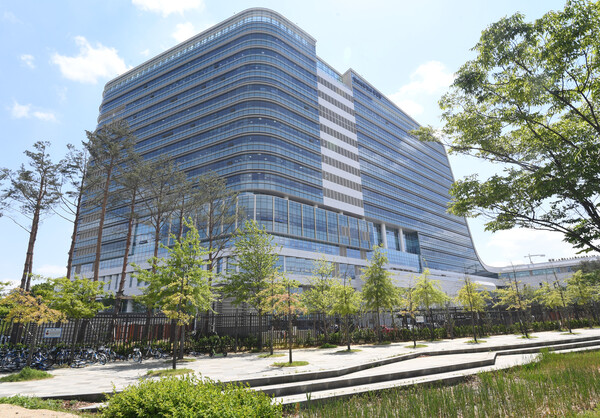
Amid the growing urgency of climate change and the global rise of generative AI industries, South Korea’s Ministry of Economy and Finance (MOEF) is ramping up its efforts to foster the domestic solar energy ecosystem.
On July 10, the ministry’s Office of Strategic Planning for New Growth Industries, headed by Shin Sang-hoon, hosted a public-private roundtable on the solar energy sector at the UNESCO International Centre of Martial Arts in Chungju, North Chungcheong Province.
The event brought together officials from key ministries—including the Ministry of Environment and the Ministry of Trade, Industry and Energy—along with representatives from local governments, solar research institutes, and private companies. Discussions focused on the latest trends in solar technology, the development of floating photovoltaic systems, and the integration of ESG (Environmental, Social, and Governance) principles in corporate strategies.
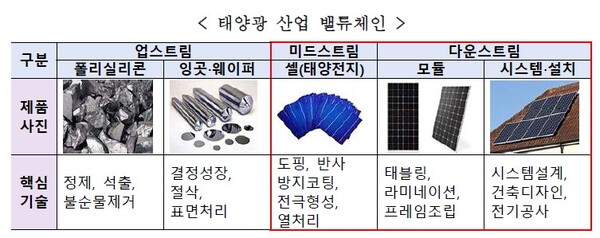
Participating companies called for increased government support in several areas, including investment in core solar technologies, regulatory improvements to expand deployment, and support for commercializing new technologies like floating solar panels.
Prior to the meeting, participants visited the floating solar power facility at Chungju Dam, where they examined its environmental impact and energy production capabilities. Floating solar systems, which install solar panels directly on water surfaces, are gaining attention as efficient and eco-friendly alternatives to land-based systems.
“Solar energy is no longer just one of many renewable sources—it is now a strategic pillar for achieving carbon neutrality,” said Director Shin. “We are committed to supporting a healthy industrial ecosystem led by Korean companies, while enhancing public acceptance and safety in collaboration with local communities.”
Shin also emphasized the need for technological independence and domestic capability: “To reduce reliance on foreign technology, Korea must design a solar energy system that balances competitiveness with community engagement.”
The government plans to expand similar public-private dialogues in other regions across the country. In addition, it aims to accelerate the design of incentives, regulatory reform, and national policy roadmaps to promote green transition through solar power.