
Japanese citrus farmers switch to avocados as climate change warms soil
PUBLISHED : 5 May 2026 at 15:02
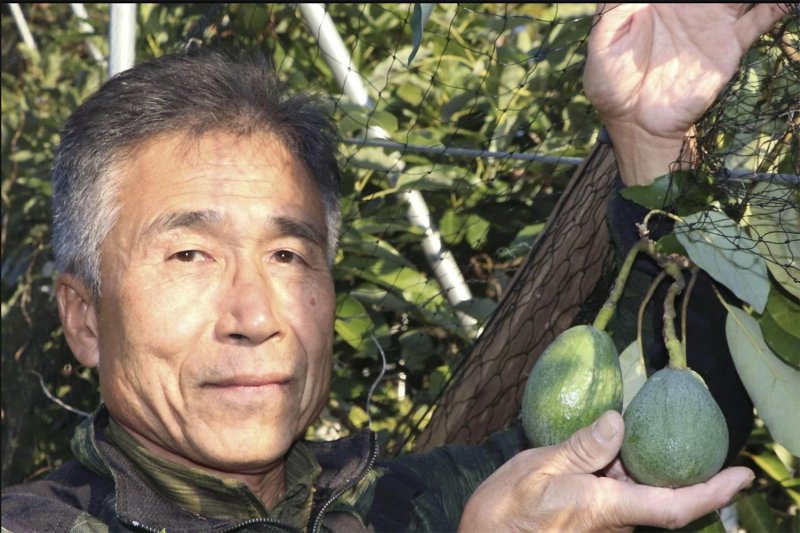
MATSUYAMA — Fuminori Arita once farmed “iyokan,” a Japanese citrus variety, but about 10 years ago he switched to growing avocados, revelling in the challenge of producing crops of what he describes as a “sensitive and difficult to grow” fruit.
The 67-year-old is symbolic of efforts by the western Japanese city of Matsuyama in Ehime Prefecture, long known primarily for citrus cultivation, to shift more to avocados, partly as a strategy to adapt to rising temperatures amid global warming.
Given the challenge of cultivating avocados, the “joy of success is huge,” said Arita, who started with seedlings he acquired from the city government. His avocados now sell for around ¥5,000 (US$32) per kilogramme.
Aided by the local push, output of Matsuyama avocados began gaining momentum in 2009 and in the past decade has jumped over 12-fold from about 600 kg in fiscal 2015 to about 7,300 kg in fiscal 2024.
While suitable areas for cultivating mandarin oranges will gradually shift northward, many areas that are deemed too warm for citrus fruit will become suitable for avocados, according to the National Agriculture and Food Research Organisation.
Global warming is expected to expand areas suitable for avocados in Japan 2.5-fold or more by the middle of the century, according to a projection by the institute affiliated with the agriculture ministry.
Similar efforts to develop avocados, known in Japan as “the butter of the forest,” have been underway in the central Japanese prefecture of Shizuoka.
A subsidy programme by the Ministry of Agriculture, Forestry and Fisheries from fiscal 2026 is designed to accelerate local efforts to promote the cultivation of crops suitable for higher temperatures.
Aomori Prefecture, known for its apples, has been expanding peach production, while Oita Prefecture wants to grow more shine muscats.
Tatsumi Shiba, an official with a local entity that gives agriculture-related guidance in Matsuyama, said avocado cultivation would become easier if minimum temperatures rise.
“We hope to increase cultivation,” Shiba said, expressing hope that the city will become synonymous with avocado production.