
Italy, Belgium, Poland, the Netherlands, Sweden… Why All of Europe (Except One Nation) Is Now Looking to Get Back Into Nuclear Power
As Europe grapples with the shifting realities of energy security, nuclear power is experiencing a surprising revival. The war in Ukraine, alongside the ongoing pressure to reduce carbon emissions, has forced many countries to reconsider their positions on nuclear energy. Nations that once phased out or banned the technology are now revisiting their stance, seeing nuclear power not just as a necessary component of energy security, but as a key to meeting their climate commitments.
Belgium Leads the Charge
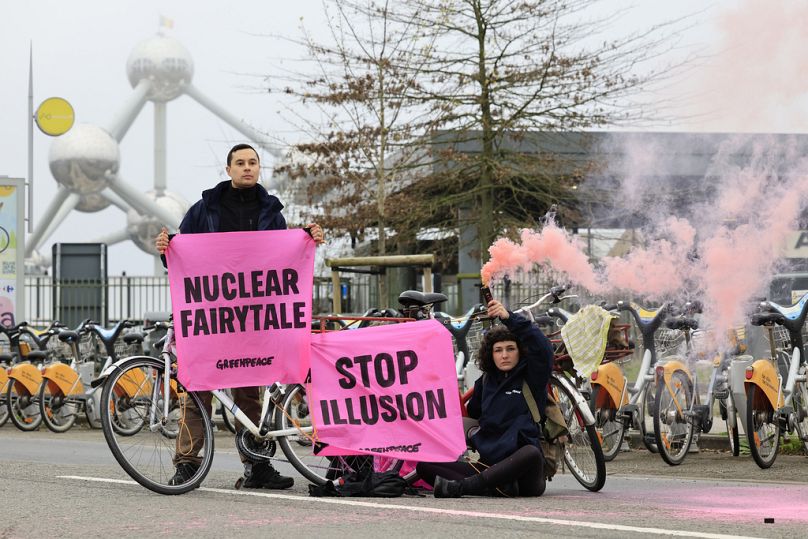
According to EuroNews, One of the most notable reversals has come from Belgium. On May 15, 2025, Belgium’s parliament voted to repeal a law that mandated the phase-out of nuclear energy, a policy that had been in place since 2003. The decision effectively opens the door for the country to bring nuclear energy back into its power grid, potentially even building new reactors. This shift is driven by the belief that nuclear energy is crucial for meeting Europe’s climate targets, ensuring stable energy prices, and reducing dependence on fossil fuel imports, particularly natural gas.
Belgium’s Energy Minister Mathieu Bihet, who played a central role in the change, emphasized the importance of nuclear energy for meeting the country’s energy security goals. He stated, “We know that it’s a low-carbon energy source, which means we can meet our European climate targets, but it’s also an abundant source.” Bihet’s comments reflect the broader European consensus that nuclear energy is key to achieving a cleaner and more self-sufficient energy future.
Italy’s Nuclear Reconsideration
Italy, which voted to abandon nuclear power after the Chernobyl disaster in 1986, has also undergone a major shift. Prime Minister Giorgia Meloni’s government is now setting its sights on a nuclear revival. In early 2025, the Italian government officially announced plans to reintroduce nuclear energy by 2030, after nearly four decades of opposition. The decision is part of a broader strategy to ensure Italy’s energy security and meet the country’s decarbonization goals.
Italy’s Energy Security Minister has suggested that nuclear energy could help to reduce high electricity prices, which have been a major burden for consumers, particularly since the escalation of the conflict in Ukraine. However, while the country is committed to bringing nuclear energy back into the fold, experts agree that it will take at least a decade before Italy’s nuclear program becomes operational.
Poland’s Nuclear Ambition
Poland, a country deeply reliant on coal for its energy needs, is another European nation leaning toward nuclear power. In 2022, the Polish government committed to building its first nuclear power plant. The project, which is slated to see its first reactor go live in 2033, is a bold step toward reducing the country’s carbon emissions and phasing out coal. Poland’s energy dependence on coal is significant, with the country generating nearly 63% of its electricity from this source.
The move is in part driven by the need to reduce Poland’s carbon footprint and align with European climate policies, as well as to ease its reliance on Russian gas. In contrast to other nations, like Germany, that have stepped away from nuclear energy, Poland views nuclear power as a necessary step toward achieving energy independence. The government aims to build three nuclear power stations, each with three reactors, with a goal of producing about 30% of the country’s electricity from nuclear by the time the plants are fully operational.
Sweden and the Wider European Shift
Sweden, too, has joined the wave of countries rethinking their nuclear policy. In May 2025, Sweden passed a law to fund a new generation of nuclear reactors, marking a significant shift in its energy strategy. Sweden’s commitment to nuclear power is fueled by the desire to meet both energy security and climate goals. Nuclear energy’s role in the Swedish energy mix has long been debated, but the growing pressure to reduce carbon emissions and stabilize energy prices has pushed the country to invest in nuclear technology once more.
Other countries, such as Denmark, which has maintained a ban on nuclear power for over four decades, have also indicated that they may lift the ban in the coming years. The Danish government has expressed interest in evaluating the potential of new nuclear technologies, including smaller, modular reactors, which could address the long-standing concerns over nuclear safety and waste management.