
Idaho Lab’s nuclear ‘fusion blanket’ could spark unlimited energy era
Scientists at the United States Idaho National Laboratory (INL) are carrying out tests for ‘fusion blanket’ technologies to create a critical component of the nuclear fusion reactor.
The work at INL is being carried out as part of the US Department of Energy’s (DOE) $107 million funding award to six research centers called Fusion Innovative Research Engine (FIRE) collaborative.
INL is leading one of the centers in the FIRE collaborative and contributing to research for two other centers. The aim is to develop an operational fuel cycle within a decade and innovate solutions for commercial nuclear fusion plants to secure a resilient, reliable energy source.
The INL-led center, Accelerating Fusion Blanket Development through Nuclear Testing (BNT), involves five national laboratories, four universities, and numerous private companies.
General Atomics, one of the US companies, is providing engineering and advanced computer models. Another firm, Tokamak Energy, is collaborating to develop and design the fusion blanket technology.
“Fusion blankets are pivotal to delivering limitless fusion energy to the grid,” said Aaron Washington, a Tokamak representative. “We’re now focused on helping INL and DOE ensure their testing is relevant to private companies as part of a fusion energy future.”
Nuclear fusion blanket and its relevance
Fusion happens when two of the smallest atoms are combined. It requires special hydrogen atoms called deuterium (which has one neutron) and tritium (which has two neutrons). Fusing them together generates a tremendous amount of energy, the same reaction that occurs inside the sun.
Chase Taylor, a senior scientist at INL who is leading irradiation testing in the collaborative, stated that a “fusion blanket is the nuclear part of a fusion reactor.”
The fusion blanket’s role is to capture the energy and particles produced during the fusion reaction.
They serve three important purposes in a nuclear fusion plant – they create new fuel for the reactor, convert nuclear fusion power into heat for power generation, and they also protect the nuclear reactor’s magnets.
INL to test nuclear fusion blankets in fission reactors
The ongoing research at INL had largely been focused on nuclear fission. Therefore, US scientists will use the existing capabilities to check the fusion blanket’s performance in a nuclear setup.
The team will test portions of a blanket system in fission reactors, as per a release from INL.
One of the scientists associated with the project stated that this will help the “fusion energy industry by providing a way to test these materials in real-life conditions quickly.”
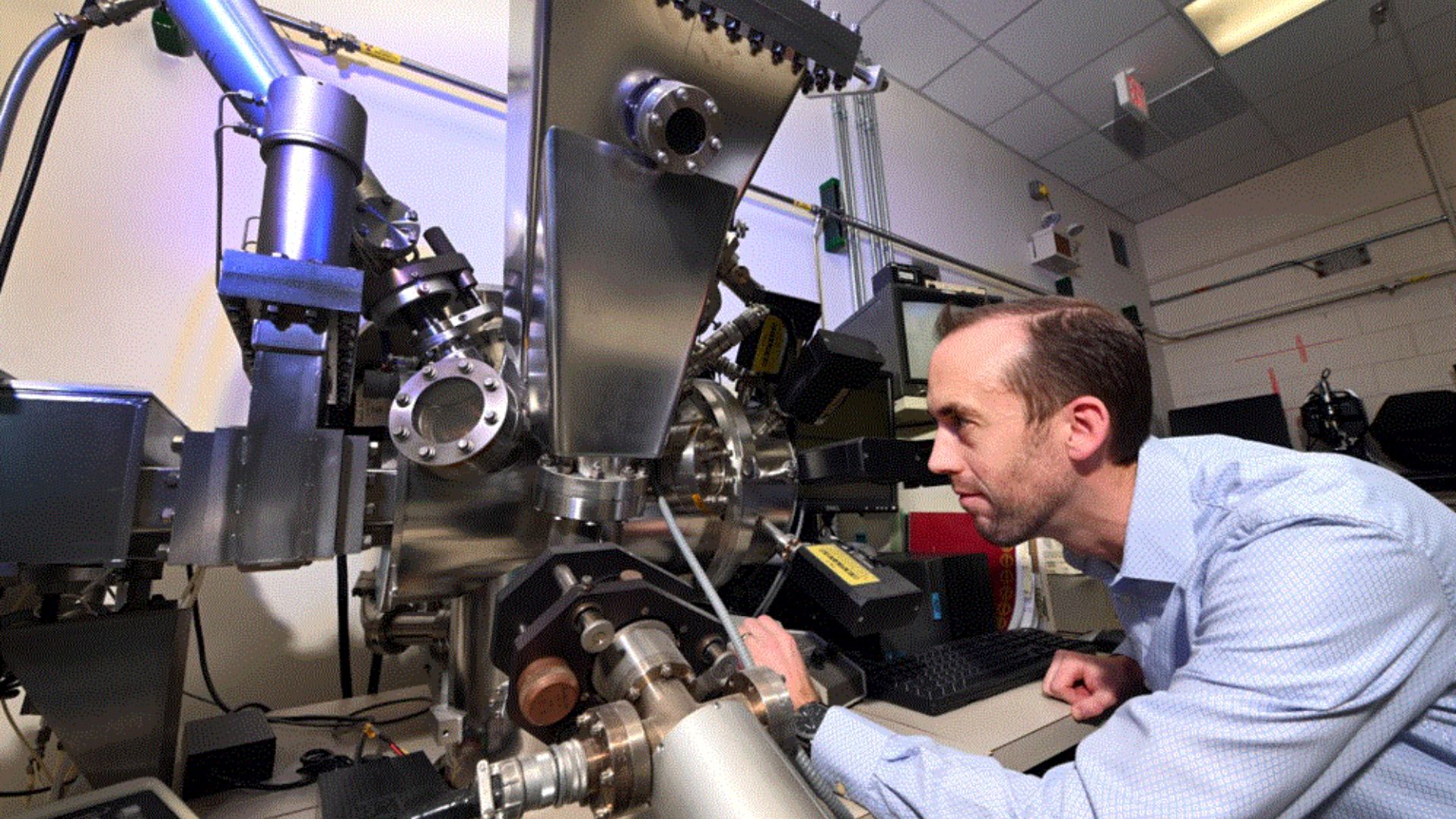
“The lack of fusion neutrons (the particles produced by fusion reactors available for testing) has stalled progress in developing necessary technologies for fusion reactors,” Taylor said.
“However, we can meet most of the fusion industry’s nuclear testing requirements using our nation’s leading fission research reactors.”
More work is being done by INL for FIRE collaborative
INL is also helping the team that has been charged with developing, designing, and manufacturing fusion energy materials.
INL also will provide modeling and simulation support for a Savannah River National Laboratory-led team tasked with enhancing fusion fuel-cycle technology development capabilities.
The fusion reactor needs special fuel to create energy like a car needs gasoline. The fusion fuel cycle is the process of making, using, and recycling that special fuel – which includes the hydrogen isotopes deuterium and tritium.
The challenges include making sure there’s enough tritium, handling the waste safely, and ensuring the reactor materials stay strong and efficient.
The INL scientists will use the MOOSE-based open-source modeling codes and the high-performance computing power of INL’s Bitterroot, Sawtooth, and Hoodoo supercomputers to contribute to these efforts.
“Establishing a robust fuel cycle is critical for commercial fusion energy production, but there are still significant challenges to address,” said Casey Icenhour, computational scientist.
“The collaborative intends to address these challenges through fuel cycle process modeling and cutting-edge technology development. They’ll also seek solutions for handling byproduct materials and growing the fuel cycle workforce of the future.”
Fusion energy start-up companies are pushing for faster development timelines, which has changed the dynamic of the conversation around fusion energy.
The Nuclear Regulatory Commission will not regulate fusion reactors like fission reactors which reduces the regulatory requirements for fusion reactor licensees.