
Hyundai E&C begins construction of major solar power plant in Texas, accelerates entry into U.S. energy market
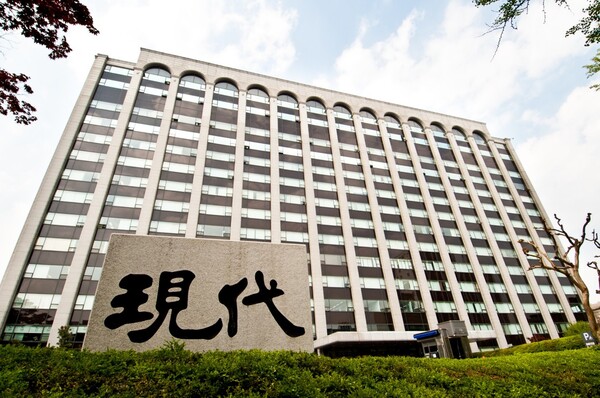
Hyundai Engineering & Construction (Hyundai E&C) announced on July 10 that it has officially commenced construction on a large-scale solar power project in Texas, marking a significant step in its entry into the U.S. renewable energy market.
The company is participating as an equity investor in the project, which is being carried out by a consortium dubbed “Team Korea.” The consortium includes public and private entities such as Korea Midland Power (KOMIPO), Korea Overseas Infrastructure & Urban Development Corporation (KIND), EIP Asset Management, and PIS Fund.
The ₩750 billion (approx. USD 540 million) project involves building and operating a 350 MWac solar power plant in Concho County, northwest of Austin, Texas. The facility will span approximately 11.74 million square meters—equivalent to more than 1,650 soccer fields.
Upon completion, the plant is expected to produce 926 GWh of electricity annually, enough to power approximately 260,000 households based on average monthly usage of 300 kWh. Commercial operation is targeted for June 2027.
Hyundai E&C has been involved in the project since its development stage, handling equity investment, technical review, and solar module supply. Construction is being led by U.S.-based contractor Primoris, while Korea Midland Power will oversee operations and maintenance.
The electricity generated will be sold through Virtual Power Purchase Agreements (VPPAs) to global corporations such as Starbucks and Workday, further establishing Hyundai’s presence in the clean energy sector.
Despite policy shifts under the Biden and potentially future Trump administrations—including the advancement of solar tax credit expiration from 2032 to 2027—Hyundai noted that the project will remain unaffected due to its scheduled completion date.
“This project marks a strategic foothold for Hyundai E&C in advanced energy markets,” said a Hyundai E&C official. “We will continue to lead in energy transition by strengthening our technological capabilities and expanding investment-driven business models globally.”
The project also highlights the strength of the Korean public-private partnership (PPP) model, demonstrating how Korean firms and institutions can collaborate to secure a competitive edge in global renewable energy development.