
How to Care for Artificial Grass: Make It Look as Good as New for Summer
How to Care for Artificial Grass: Make It Look as Good as New for Summer
As energy bills continue to fluctuate and the urgency for climate change becomes much more apparent, homeowners across the UK are becoming increasingly interested in solar power technology for their homes. Solar panels were once considered a niche technology. However, they are becoming more and more common and are currently in the spotlight as a very viable and attractive option for generating clean electricity.
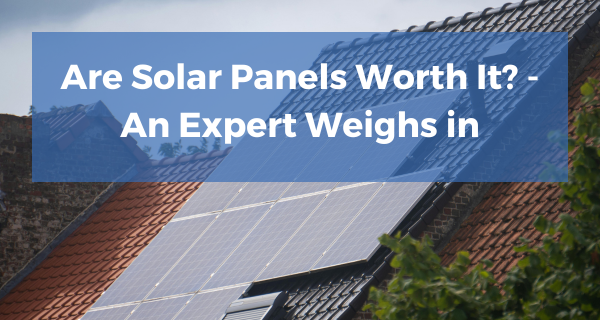
Solar panels obviously come with an upfront cost, but they also come with many benefits. So the big question is: are solar panels truly worth it? To give you a clearer perspective on this debate, property and construction expert Thomas Goodman at MyJobQuote.co.uk has created this guide weighing up the advantages, associated costs, and the practical steps involved in taking advantage of the power of the sun for your home. Read on to learn everything you need to know about this…
What Are the Benefits of Solar Panels?
There are several advantages to installing solar panels on your home:
- Save Money on Energy Bills: Solar panels generate clean, free electricity, significantly reducing your reliance on the grid and potentially lowering your electricity bills. Government feed-in tariffs can further boost your savings by paying you for the electricity your panels generate, even if you don’t use it all yourself. The current scheme, the Smart Export Guarantee (SEG), pays you an export tariff for the electricity you export back to the grid.
- Boost Your Home’s Value: Homes with solar panels are increasingly sought-after by eco-conscious buyers. Installing solar panels can be a brilliant investment, potentially increasing the value of your property by up to £10,000.
- Reduce Your Carbon Footprint: If you generate your own clean electricity, you’ll be helping to combat climate change and will also be reducing your reliance on fossil fuels. The UK has ambitious goals to reach net zero emissions by 2050. Solar power is one of the key parts of achieving that target.
- Government Incentives: The UK government offers various financial incentives to help encourage UK homeowners to install solar panels. These incentives can help to significantly reduce the upfront cost of the installation. The SEG, for example, is a nationwide scheme that pays you for any electricity you export back to the grid. You may also be eligible for the Energy Saving Trust grant, which offers a lump sum towards the cost of installing solar panels.
- Increased Homeownership Satisfaction: Many homeowners report feeling a sense of satisfaction and pride knowing they’re generating their own clean energy.
- Potential for Future Battery Storage: As battery storage technology becomes more affordable, you may be able to add a battery system to your solar panels in the future. This would allow you to store any excess solar energy generated during the day and use it at night, further reducing your reliance on the grid.
- Low Noise Pollution: Solar panels operate silently, unlike some traditional energy sources.
What Are the Costs of Installing Solar Panels?
Depending on the complexity of the job, the average cost for installing solar panels is usually somewhere between £2500-£9000. The price you can expect to pay for the job depends on a number of factors including the type of solar panel that you are having installed, how many solar panels are being installed, how long the job will take overall, and your location within the UK.
Even though the cost of solar panels may seem quite steep, it is a great investment. Not only can solar panels save you money on your energy bills, but they can even earn you some income.
There are two major types of solar panel – polycrystalline and monocrystalline. Monocrystalline solar panels are the most efficient and also last longer than other types of solar panel.
Solar panels also come in different system sizes which usually range from 1kW-5kW. These sizes determine how much energy the solar panels can provide to the home. The higher the wattage you choose, the more expensive it is.
As you can see, there are many ranges of different solar panels that you can choose from and this is why the solar panel prices range so widely. For example, a 1kW monocrystalline solar panel will cost around £2000-£3500 on average whereas a 5kW monocrystalline solar panel system will cost around £7500-£9000.
The upfront costs of installing solar panels will vary depending on several factors:
- Size of the System: The larger the system (in terms of kilowatt-peak (kWp) output), the more electricity it will generate and the higher the initial cost. However, a larger system will also lead to greater savings on your electricity bills.
- Type of Panels: There are many different types of solar panels available to buy, with varying efficiencies and costs. Monocrystalline silicon panels are the most efficient panels, but are also the most expensive, while polycrystalline silicon panels are a more affordable option with slightly lower efficiency.
- Complexity of Installation: The ease of installation will depend on your roof’s accessibility and any potential challenges, such as multiple roof sections or chimneys. A more complex installation will likely cost more.
However, government incentives such as the SEG and potential grants can significantly reduce the upfront cost. Solar panels are also considered a long-term investment, with a lifespan of around 25 years. Most reputable installers will provide a return on investment (ROI) calculation specific to your home and energy usage so you can understand how long it will take for the energy bill savings to offset the initial cost.
Making The Switch to Solar Power
If you arere interested in installing solar panels on your home, here are the next steps:
- Get Quotes: Obtain quotes from several reputable solar panel installers. Ensure they are MCS-certified, a mark of quality and compliance with industry standards. The Microgeneration Certification Scheme (MCS) is a government-backed program that ensures the quality of solar panel installations.
- Compare and Choose: When comparing quotes, consider not just the price but also the installer’s experience, reputation, after-sales service, and the type of panels they offer.
- Finance Options: Explore various financing options available, including government grants and loans specifically designed for solar panel installations. The Energy Saving Trust loan offers competitive interest rates to help finance the upfront cost of solar panels.
- Planning Permission: In most cases, planning permission won’t be required for domestic solar panel installations. However, it’s always best to check with your local planning authority. You can usually find this information on your council’s website.
Final Thoughts
Ultimately, the decision to install solar panels is a significant one. However, as the above shows, the benefits often far outweigh the initial investment for many UK homeowners. Beyond the substantial savings on energy bills and the potential for earning income through schemes like the Smart Export Guarantee, embracing solar power significantly reduces your carbon footprint and allows you to help with the UK’s net-zero ambitions.
While the upfront costs can vary, a combination of falling panel prices and government incentives makes this a sustainable choice and makes it increasingly accessible. By taking informed steps of researching, obtaining quotes from MCS-certified installers, and exploring available finance options, you can confidently transition to a greener, more self-sufficient, and potentially more valuable home. The sun’s energy is free, clean, and abundant, so solar power is a truly worthwhile investment for a brighter and more sustainable future.
THOMAS GOODMAN
Thomas Goodman has worked as a property and construction expert for MyJobQuote for six years and has worked in the construction industry for over twenty years. Thomas continues to work on building projects while providing expert construction and property advice to industry professionals and DIY enthusiasts.
MyJobQuote is one of the UK’s top trades matching sites that helps individuals find a reputable tradesperson in their local area.
MyJobQuote also has a wide range of experts with extensive knowledge in interior design, cleaning, gardening, property, construction and more. MyJobQuote’s experts have been featured in over 700 publications, including Woman and Home, The Times, House Beautiful, BBC News and more.
For more information on MyJobQuote’s release or comment requests, please email the PR team at ContentTeam@ICMEnterprises.co.uk.
Copyright © 2025. MyJobQuote.co.uk. All reserved.