
Helping People and Firms in South Asia Weather Climate Shocks
People in South Asia are familiar with the intense heat and sudden downpours of monsoon season. The monsoon rains bring life to the crops and relief from the summer heat. But monsoons can also be powerful and destructive, especially as weather patterns in the region become increasingly unpredictable and extreme. Last year’s monsoon caused severe flooding in Bangladesh, India, Nepal, and Pakistan. This year’s monsoon is expected to arrive early and again bring above-normal rainfalls.
Since 2010, natural disasters have impacted an average of about 67 million people each year.
Our new report, From Risk to Resilience: Helping Firms and People Adapt in South Asia, examines how climate change is already affecting households and businesses across the region and what can be done to help them prepare.
The most dramatic weather shocks can destroy assets and livelihoods. Displaced households face lost incomes, and firms must address lost revenues and supply chain disruptions.
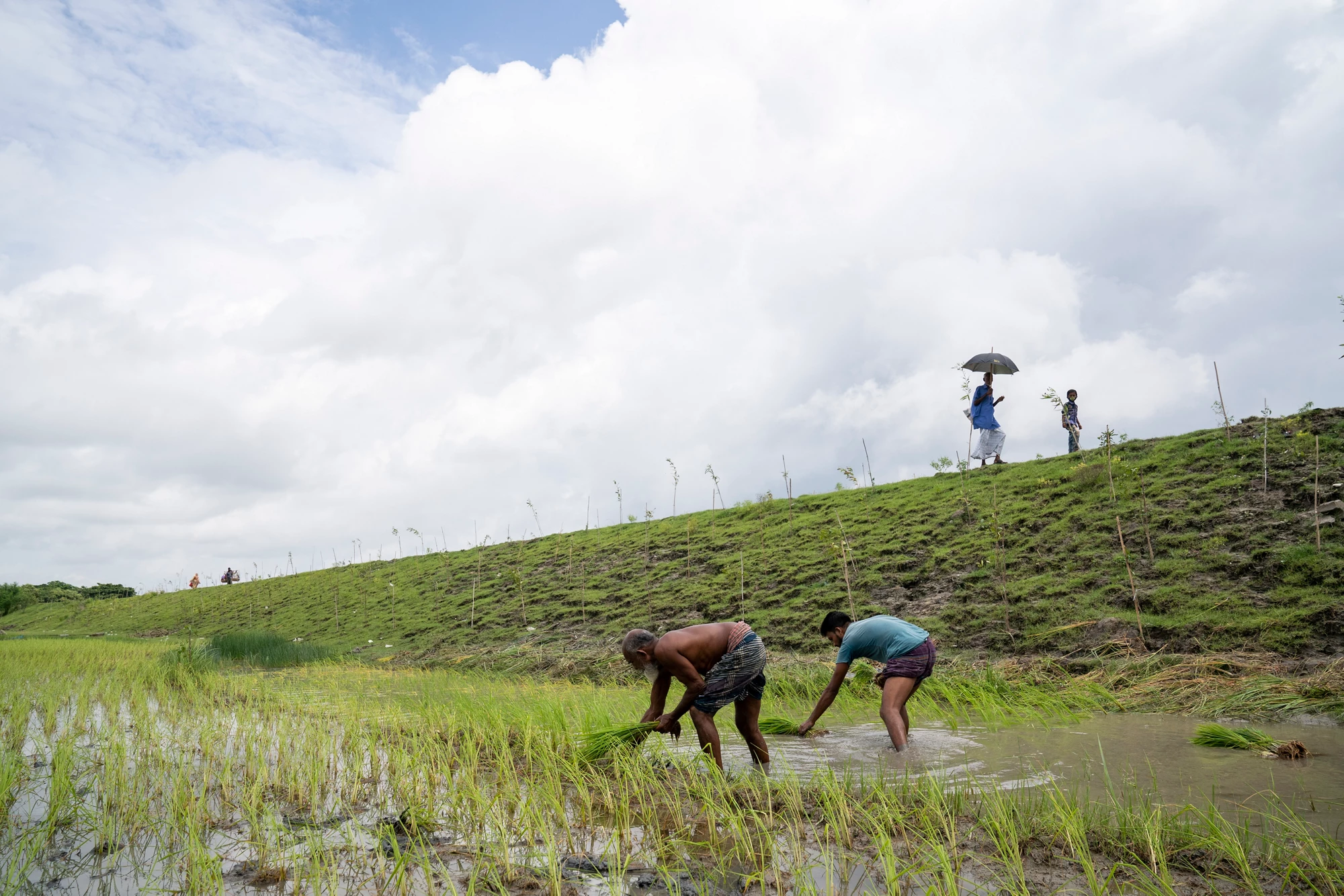
Photo Credit: The World Bank
South Asia’s households and firms are not helpless in the face of these shocks. Indeed, to the extent they can — they adapt. Households dig drainage ditches or plant trees to protect and shade their homes. They move to areas that are less vulnerable to weather shocks. Similarly, firms adjust and shift production locations or diversify suppliers to reduce their risks. Many firms invest in fans and air conditioning in response to higher temperatures.
But the autonomous actions of households and firms are often not enough. To date, most households and farms in South Asia take only basic adaptation measures that leave them vulnerable to climate shocks.
The reason households and farms don’t adapt effectively are the same as the ones that limit their livelihoods. They lack weather-resilient roads needed to access markets and inputs even during weather shocks. They lack the piped water that can be safe to drink even during floods.
What can governments in South Asia with limited fiscal resources do to boost the resilience of their economies and societies? This report offers some solutions, focused on ensuring markets work better, thereby helping poor households and small firms adapt more effectively.
Information is often helpful on its own, such as providing early warnings about impending storms, droughts, or floods. Targeted public investments in physical and social infrastructure — such as access roads, drainage systems and primary health facilities — and adaptative social protection systems can complement market-based measures to protect the most vulnerable.
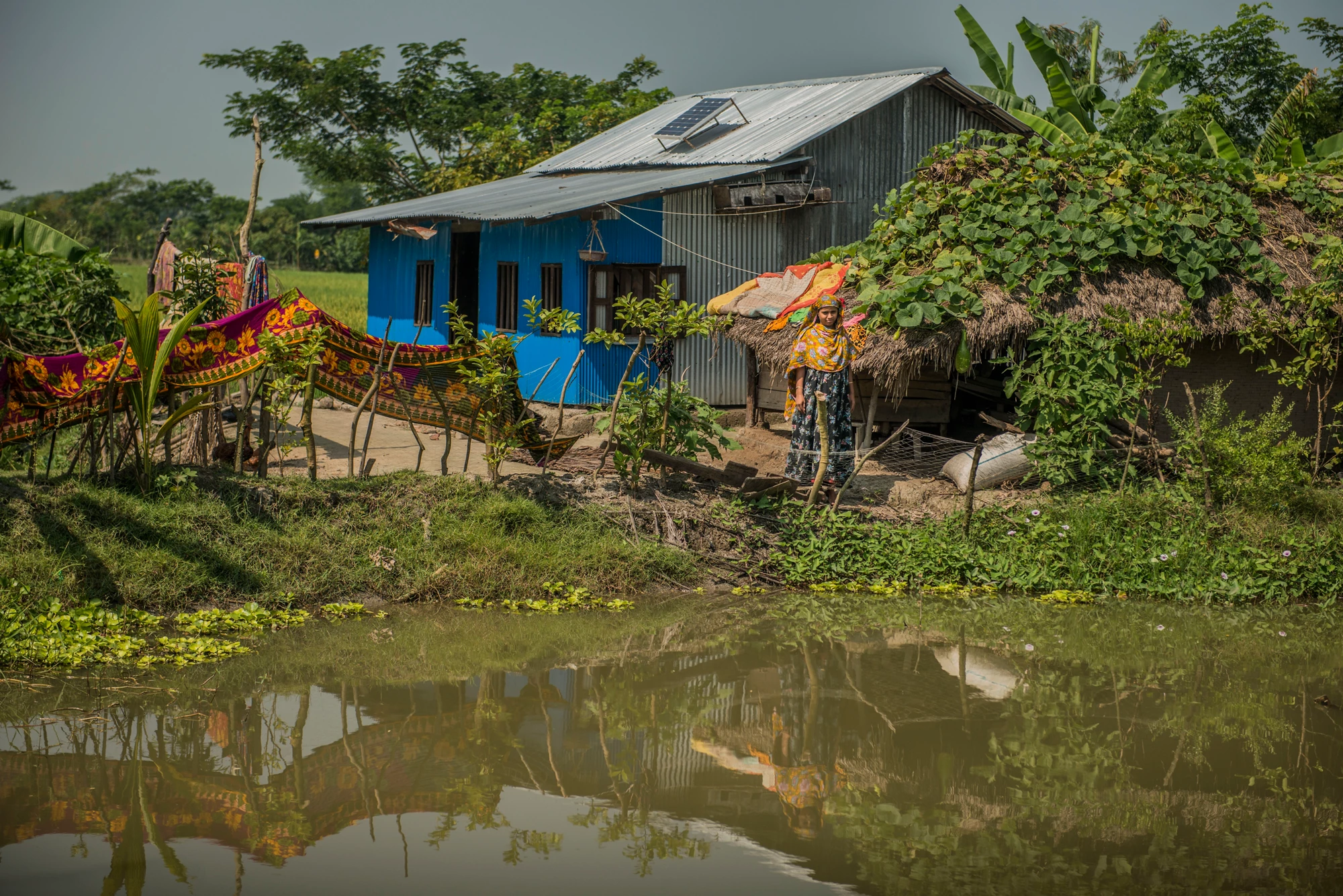
Photo Credit: The World Bank
Better mobile and digital access can help deliver early warnings and financial tools to remote areas. Education and training can help people and businesses make smarter choices and adapt more effectively.
Adaptation is already happening across the region, but more can be done to shift from short-term coping to long-term resilience. Expanding these opportunities is essential to help the most vulnerable respond more effectively to growing climate risks.
A few examples illustrate what works and should be scaled. In India, access to railroads has helped reduce the risk of famine during droughts. In Bangladesh, early warning systems and cyclone shelters have significantly reduced fatalities during major storms. Some cities, like Ahmedabad, have adopted heat action plans to guide urban development and to protect their population from rising temperatures. When essential services like transport, healthcare, and water are in place, people are better able to withstand shocks.
The people of South Asia have always found ways to adapt and thrive in difficult circumstances.