
Google Ads hit by major reporting glitch, exposing competitor data

Google Ads continues to experience a significant outage affecting multiple reporting tools and product management features.
Why we care. This outage impacts advertisers’ ability to manage campaigns and access critical performance data.
The problem, first reported Friday, initially looked like this:
- Down: Report Editor, Dashboards, Saved Reports in web interface.
- Affected: Products, Product Groups, Listing Groups pages across the web, API, and Google Ads Editor.
- Data breach: Unrelated item IDs, product titles, and Merchant Centre information visible to competitors.
Problems persist: As of Monday morning Product, Product groups and Listing groups reports were all still down.
Between the lines. This glitch raises serious privacy concerns, as advertisers can potentially identify direct competitors by searching exposed product titles.
What they’re saying. Google Ads Liaison, Ginny Marvin acknowledged the issue on X, and is “actively looking into” it. Yesterday, in her most recent post, Marvin said Google was still working to restore Report Editor and the Products tab.

What to watch. How quickly Google resolves the outage and addresses the data exposure and potential fallout from the privacy breach.
Dig deeper: How to put marketing data into meaningful context
First seen: UK advertising agency, Bidnamic reported a severe data breach on LinkedIn between July 30-31, 2024, with advertisers seeing competitors’ sensitive information in their accounts.
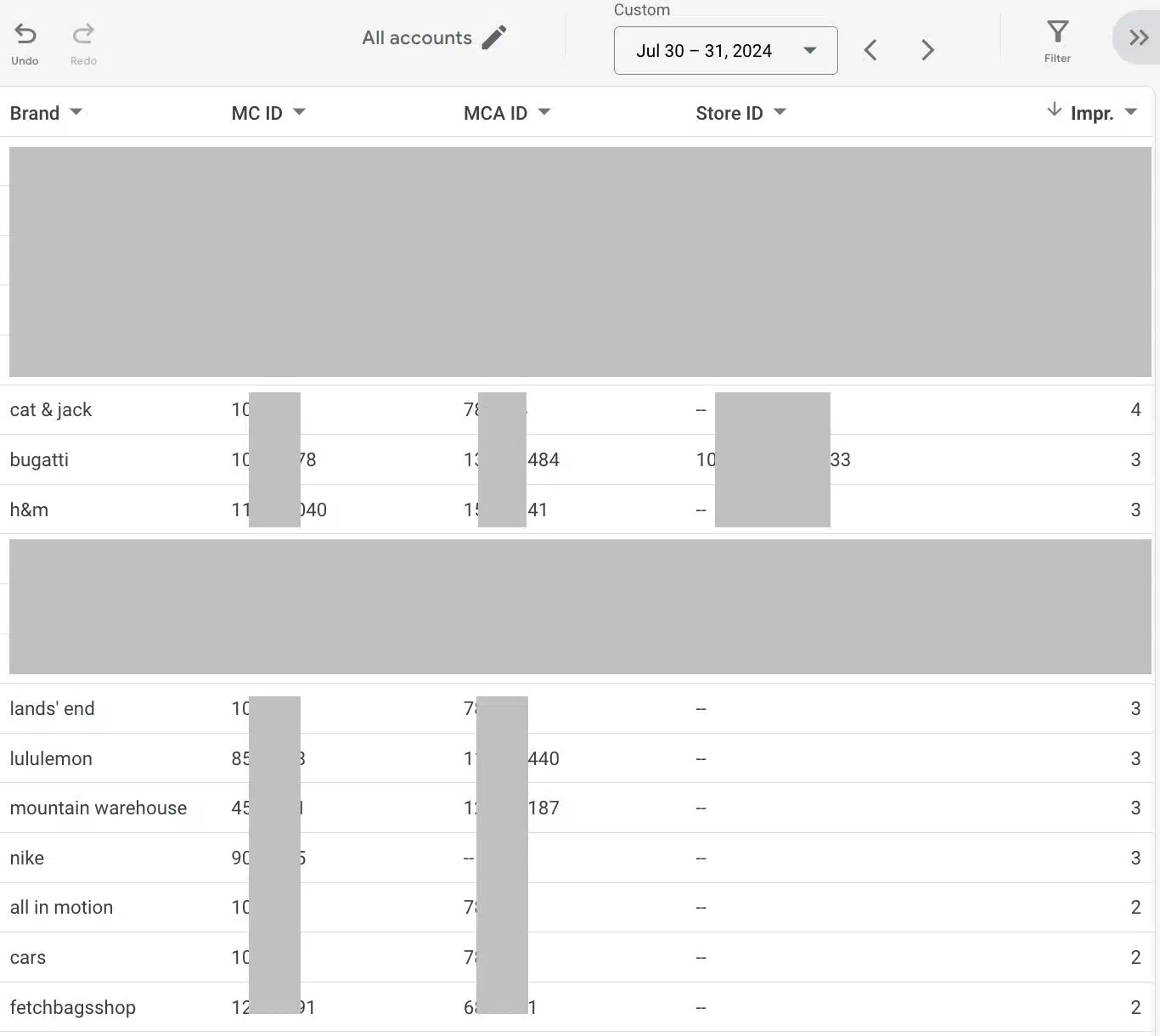
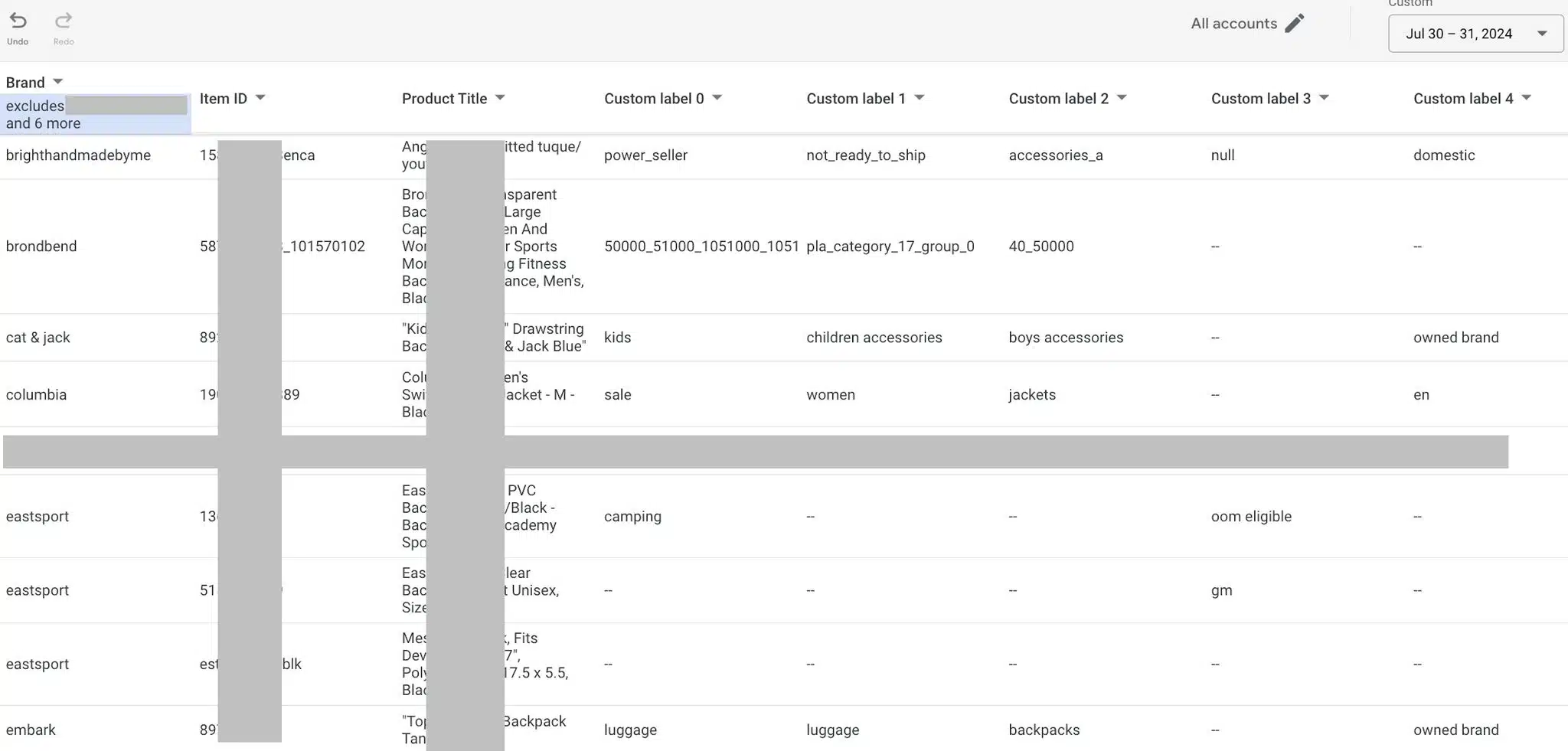
Bottom line. Advertisers should exercise caution when accessing their Google Ads accounts and avoid acting on any data until Google confirms the issue is resolved.
The post Google Ads hit by major reporting glitch, exposing competitor data appeared first on MarTech.
Related Knowledge Center: Climate economics
Climate change is now a driver of the world’s economy. The impact is profound:
- Catastrophic weather events — hurricanes, floods, droughts, high temperatures — are more frequent and more extreme. The cost can be measured in both the initial damage caused and the longer-term impact on the economy.
- Vulnerable communities are increasing climate-related investments, hardening infrastructure and taking other protective measures.
- Investment in carbon capture and storage technologies is increasingly rapidly.
- Governments are making investments and crafting regulations to reduce emissions of carbon dioxide and other greenhouse gases.
On top of all of this is the cost of uncertainty. As the Fourth National Climate Assessment, released in 2018 by the U.S. Global Change Research Program, says, “The assumption that current and future climate conditions will resemble the recent past is no longer valid.”