
Global warming fuels a ‘burning summer’
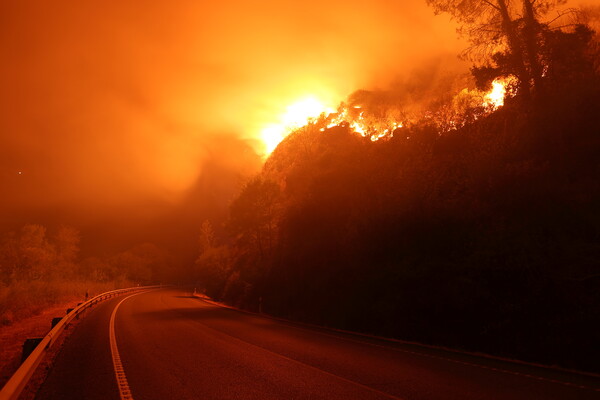
The latest wildfires in Spain and Portugal are sounding an alarm about the accelerating impact of climate change. Once considered rare disasters, extreme climate emergencies such as massive wildfires are now becoming increasingly frequent and devastating.
According to research by the World Weather Attribution (WWA), a global climate science consortium, the probability of experiencing the conditions that triggered the recent Iberian wildfires has increased fortyfold due to global warming. The group found that high temperatures and prolonged dry air, conditions that would have been nearly impossible in the pre-industrial era, are now occurring with alarming regularity.
The study suggests that weather patterns that could previously be expected only once in 500 years are now likely to occur every 15 years. In particular, the extreme heatwave that swept across Spain and Portugal last month — with temperatures soaring above 40°C — would once have been seen only once in 2,500 years. Today, such conditions are expected roughly once every 13 years.
Beyond climate change, shifts in land use have also worsened wildfire damage. As younger generations abandon rural agriculture for city life, neglected fields and overgrown vegetation have become potent fuel sources for fires.
The consequences are staggering. Last month, wildfires in Spain and Portugal destroyed more than 500,000 hectares of land — an area more than eight times the size of Seoul. Spain’s government even mobilized military forces to battle what was described as the worst fire in two decades.
While the WWA report has not yet undergone peer review, the findings add to a growing body of evidence linking climate change to the intensification of extreme weather events. The conclusions underscore how global warming is transforming what were once extraordinary disasters into recurring features of modern life.