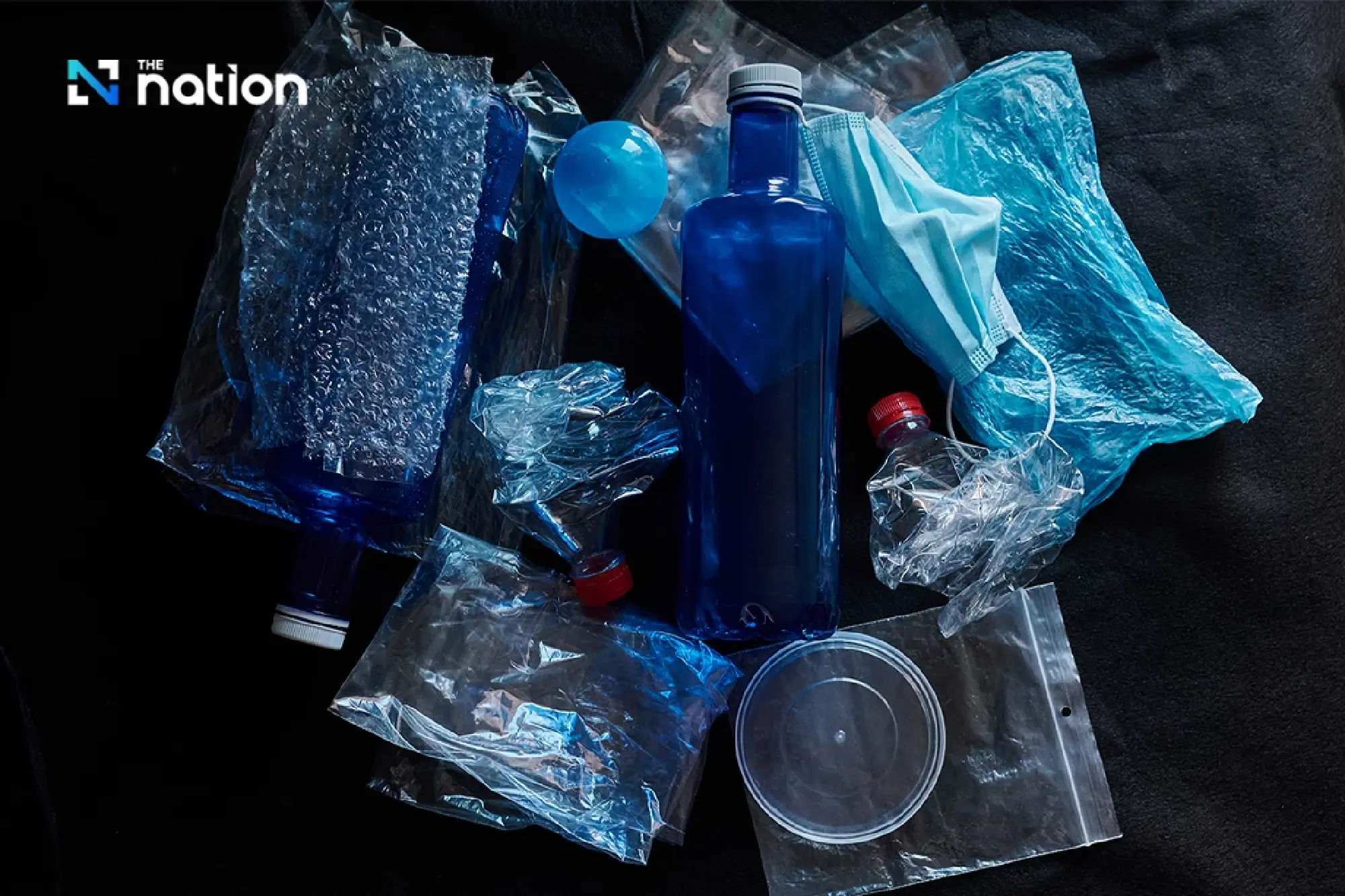
Global plastics pact stalls, petroleum producers reject plastic reduction
The fifth session of the Intergovernmental Negotiating Committee (INC-5.2) on a global plastics treaty has ended in Geneva on August 14 without an agreement, despite running for 11 days and being billed as the final round of talks.
The proposed treaty, seen as the central instrument to tackle the global plastic pollution crisis, remains stalled. Delegates could not reach a consensus on whether the treaty should include legally binding measures to curb the soaring production of plastics and regulate toxic chemicals used in their manufacture.
Representatives from Norway, Australia, Tuvalu and several other countries expressed deep disappointment at leaving Geneva without a deal.
“We came to Geneva to achieve a global plastics treaty because we know the stakes are too high to fail,” Jessika Roswall, European Commissioner for Environment, Water Restoration and Competitive Circular Economy, wrote on social media. She added that the EU would continue to push for a stronger, legally binding agreement.
France’s Minister for Ecological Transition, Agnès Pannier-Runacher, voiced her frustration in stronger terms: “I am disappointed and angry. A handful of countries prioritised short-term financial interests over public health and long-term economic sustainability. They blocked a treaty that would have squarely addressed plastic pollution, despite overwhelming scientific and medical evidence that plastics kill people, poison our oceans and soils, and ultimately contaminate our bodies.”
The collapse of the Geneva round leaves the future of a global plastics treaty uncertain, with environmental advocates warning that further delays will only worsen the crisis.