
France Discovers the World’s Largest Hydrogen Deposit, Worth a Whopping $92 Trillion
A major discovery in France could change the future of energy. Scientists have uncovered a massive natural hydrogen deposit beneath the soil of Folschviller, a town in the Moselle region. This hidden reserve, estimated at 46 million tons of hydrogen, has the potential to transform the global energy market.
An Accidental Discovery of Massive Potential
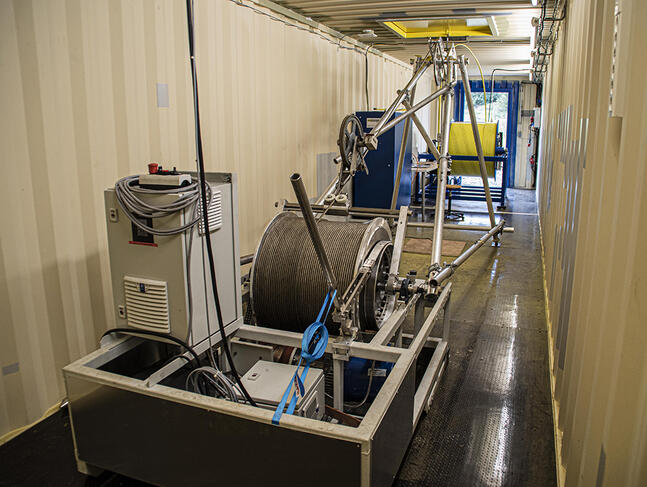
The discovery, which could reshape the energy transition, was made by researchers from the GeoRessources laboratory and the CNRS. They were initially searching for methane, a common byproduct of coal, when they stumbled upon an even more valuable resource: white hydrogen.
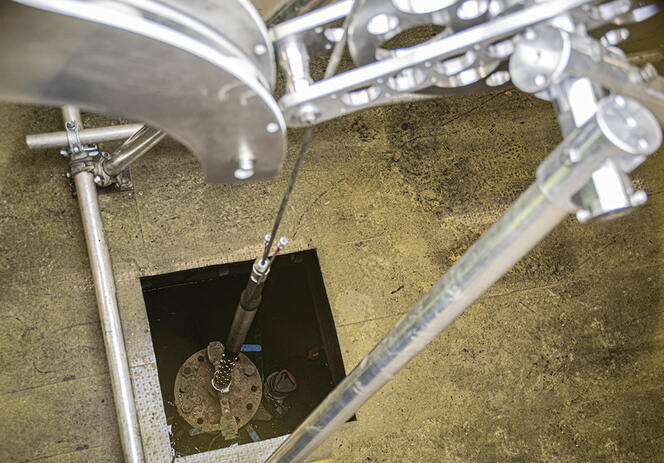
This hydrogen, found naturally underground, is completely different from the commonly known green and gray hydrogen. The researchers found that this natural hydrogen is buried at a depth of 1,250 meters, far below the surface. To put this into perspective, the size of the deposit represents more than half of the world’s annual production of gray hydrogen.
However, unlike gray hydrogen, this natural source does not release harmful carbon emissions. This makes it a cleaner and more efficient option compared to traditional hydrogen production methods.
White Hydrogen: A Game-Changer for Clean Energy
Hydrogen has long been considered a vital part of clean energy solutions. Unlike fossil fuels, when hydrogen burns, it does not produce carbon dioxide (CO₂), the leading greenhouse gas responsible for climate change.
However, producing green hydrogen through electrolysis is expensive and energy-intensive, relying heavily on renewable electricity. On the other hand, gray hydrogen, produced from fossil fuels, creates significant CO₂ emissions.
White hydrogen, the form of hydrogen discovered in Lorraine, does not have these drawbacks. It forms naturally deep underground and is available without requiring any industrial production.
This could eliminate the need for costly infrastructure and energy-intensive processes, offering a low-cost, environmentally friendly alternative to traditional hydrogen.
The find in Lorraine could be the key to unlocking a new wave of hydrogen production worldwide, potentially bypassing the costs and environmental impact of green and gray hydrogen. If similar deposits exist in other parts of the world, this discovery could significantly impact the global energy landscape.
France’s Hydrogen Advantage
This discovery could place France at the forefront of the global hydrogen revolution. Once an industrial powerhouse known for its coal and steel industries, the region of Lorraine now finds itself with a unique opportunity.
The natural hydrogen reserves could make it a leader in hydrogen production, boosting the local economy and creating numerous new jobs. This is especially significant as France aims to reduce its reliance on imported fossil fuels and lead Europe’s transition to renewable energy.
If the country capitalizes on this discovery, it could secure its place as a dominant player in the clean energy sector, positioning itself ahead of other nations still reliant on expensive hydrogen production methods.
The Search for More Hydrogen Reserves
The discovery of this vast hydrogen deposit also raises an important question: how many other untapped hydrogen reserves lie beneath the Earth’s surface? Researchers are now exploring the possibility that other regions, both in Europe and beyond, could contain similar deposits.
As nations around the world invest in geological surveys, they could uncover their own natural hydrogen reserves. This could lead to a shift in the balance of energy power, accelerating the global move away from fossil fuels and toward cleaner, more sustainable sources of energy.
Research is ongoing to determine the most efficient ways to extract and store the hydrogen found in Lorraine. Scientists are also working on developing technologies to measure and explore similar reserves at greater depths, which could offer even larger deposits of natural hydrogen.