
Flanders allocates 270 million euros in climate subsidies to major polluters
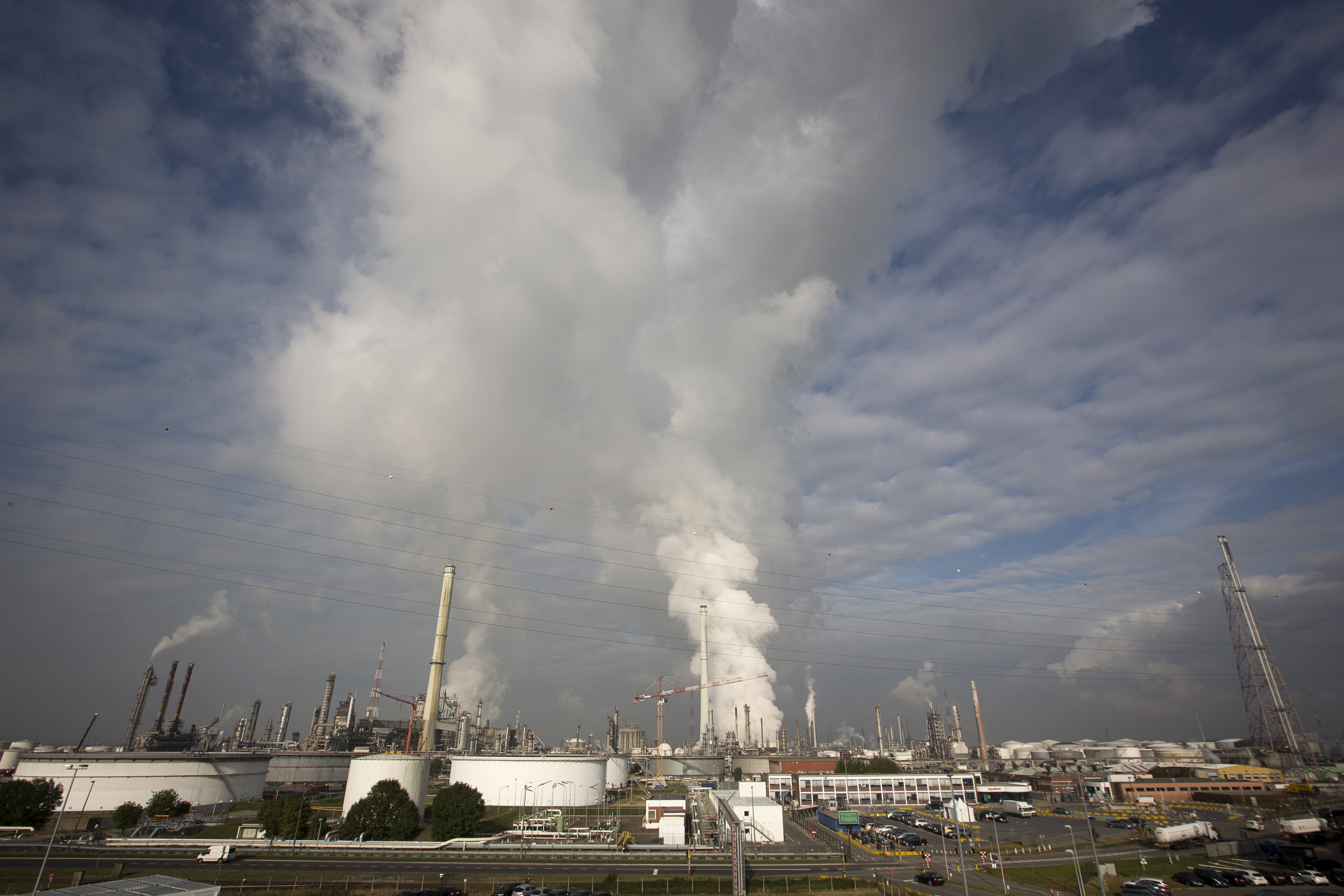
The Flemish government’s compensation for major CO₂ emitters has increased from 36 million euros in 2019 to a record 270 million euros in 2025, according to Belgian newspaper De Standaard. This information comes from a parliamentary question by Aimen Horch (Groen) to Minister-President Matthias Diependaele (N-VA), who is responsible for industrial policy.
This support is part of a scheme to compensate for “indirect emission costs”, which is granted to energy-intensive industries that face higher electricity bills due to the EU Emissions Trading System (ETS). Under ETS Phase I, companies must purchase emission allowances for each tonne of CO₂ emitted. Revenues from these allowances flow back to Flanders, which uses some of them to encourage industry to decarbonise.
However, since power producers are permitted to pass on the cost of ETS allowances via electricity prices, the financial burden ultimately falls on the consumer. High-electricity industries are considered vulnerable to competitive disadvantages compared to competitors operating in regions with less stringent climate policies. To mitigate this, Flanders uses part of the ETS revenue to compensate for these indirect emission costs.
There is no actual oversight
“If we stop supporting industrial companies through this mechanism, they will close their operations in Flanders,” Diependaele argued. In return for the subsidy, companies must submit a climate plan and commit to making energy-efficient investments. However, according to Horch, this is little more than window dressing. “There is no actual oversight,” said the MP.
ExxonMobil
Among the top beneficiaries are industrial giants such as ArcelorMittal, BASF, ExxonMobil and TotalEnergies. “A company like ArcelorMittal is clearly investing in green steel, which is worth supporting,” Horch noted. “But Total and ExxonMobil are posting huge profits in Belgium.” Meanwhile, ExxonMobil’s greenhouse gas emissions increased by almost 10% between 2018 and 2023. Yet it still received over 15 million euros in climate subsidies in 2024.’
Diependaele points out that similar subsidy mechanisms exist in neighbouring countries. Still, it is unclear whether the Flemish compensation scheme is excessive compared to those of other EU member states. This will be examined in an upcoming spending review, with results expected in 2026.
VAT exemptions
Like all EU countries, Belgium has pledged to end fossil fuel subsidies by 2030. However, according to the most recent available data from 2022, these subsidies are increasing rather than decreasing. These include VAT exemptions for air travel, excise duty rebates, tax benefits on fuel cards and energy support for vulnerable households.
Direct subsidies increased from 12 billion euros to 13.3 billion euros in 2022, largely due to temporary measures introduced to support households during the energy crisis, such as the expanded social tariff. Organisations including the OECD and the European Commission have recently reiterated their urgent calls for Belgium to phase out fossil fuel subsidies.
#FlandersNewsService | ExxonMobil refinery in the Port of Antwerp © BELGA PHOTO KRISTOF VAN ACCOM
Related News