
Five Questions with Nevada Secretary of State Francisco “Cisco” Aguilar
On July 17, 2026, DHS sent a letter to Nevada Secretary of State Cisco Aguilar, demanding the state’s voter rolls. The federal government claimed almost 16,000 non-citizens were registered to vote.
What happened next was iconic. Aguilar pushed back. He told the Feds to prove it, challenging them to provide evidence to substantiate their claims. “We want to better understand your claims that thousands of alleged noncitizens are on Nevada’s voter rolls, again, none of which you have identified,” he wrote.
They couldn’t.
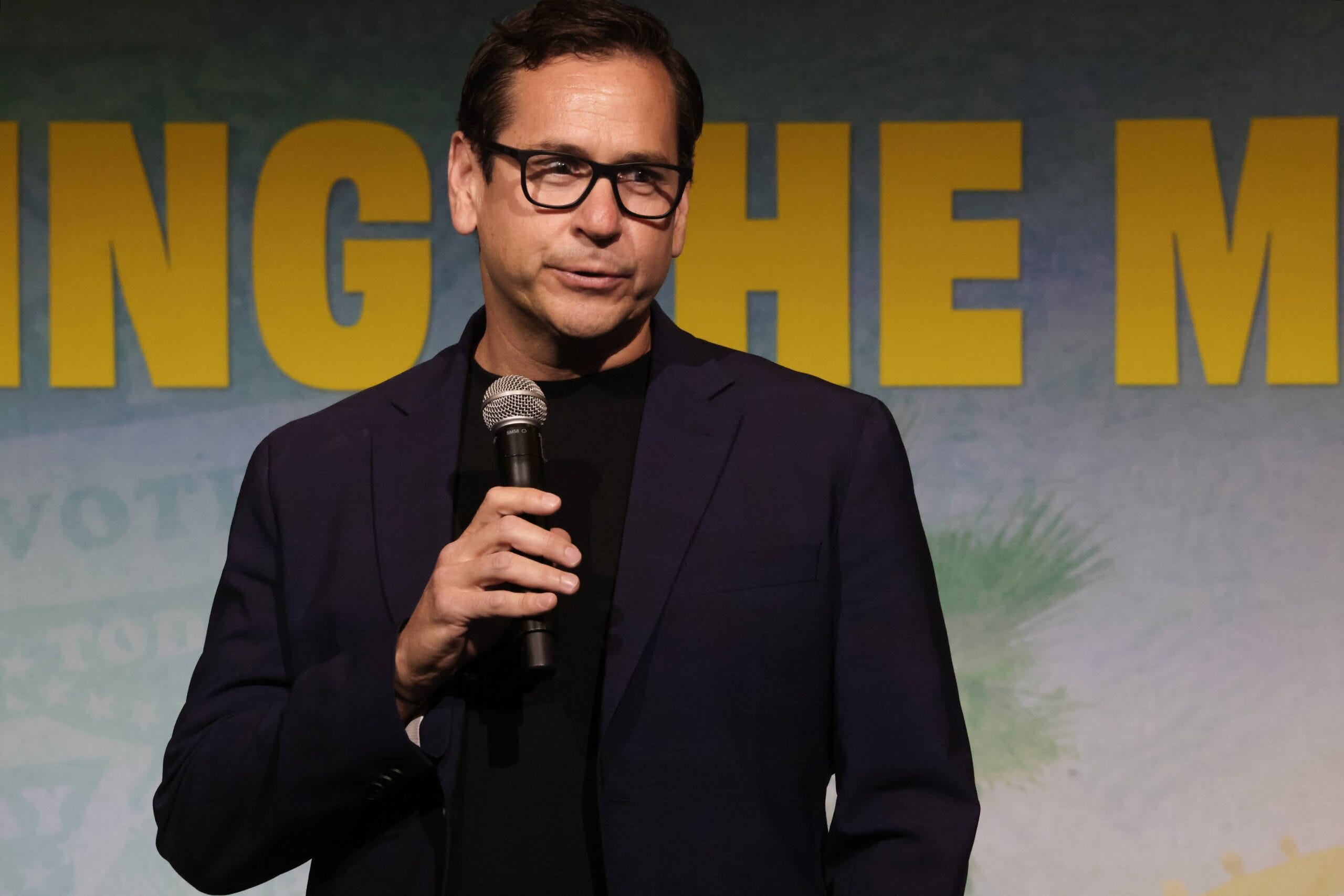
Cisco joins us tonight to share the full story with us. And to underscore a point—just because this president and his administration make a claim about voter fraud, that doesn’t mean it’s true. Not even close. The Nevada experience is an important one, a story we should share with the people around us before they go over the Trump cliff about voter fraud and buy into the use of his outrageous—but untrue—claims as a reason to make it difficult for eligible Americans to vote. We all know the reason Trump wants to do that: He fears the outcome of the election if it’s free and fair.
Cisco Aguilar is the first Latino elected to be Nevada’s Secretary of State and chief elections officer. He also serves as Chair of the Democratic Association of Secretaries of State and was recognized by TIME as one of the nation’s “Democracy Defenders.” As Secretary of State, Cisco has modernized Nevada’s election infrastructure, implemented a new statewide voter registration system in record time, and championed bipartisan legislation—passed unanimously—to protect election workers from harassment and doxxing.
Some public servants take that description of their work as elected officials seriously. Cisco is among them; he is someone who believes in serving the public. He joins us to tell the story of his recent efforts to protect free and fair elections.
“Five Questions” is a feature for paid subscribers, built around the conversations that don’t fit neatly into a news cycle driven by headlines and hot takes. It’s a chance to spend time with the people shaping the law, politics, and democracy—and to ask the questions that matter most, not just the ones everyone else is asking. Keeping the daily legal analysis free has always been important to me, and it will stay that way. These Friday conversations give me a chance to thank paid subscribers for their help ensuring that Civil Discourse remains available to everyone who wants to follow the law beyond the day’s headlines. Whether you’re a paid subscriber or a free subscriber, I’m grateful you’re here.