
Financial issues stall laborious climate negotiations in Bonn
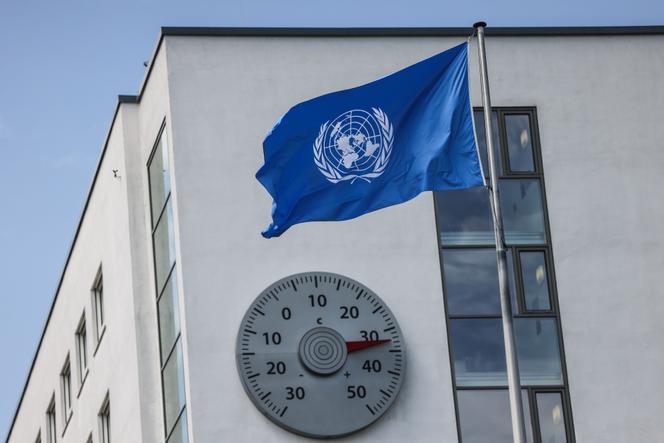
Climate negotiations often struggle with a particular paradox: They progress slowly – when they aren’t regressing – even as the climate emergency rapidly worsens. The international talks in Bonn, Germany, which wrapped up on Thursday, June 26, were no exception. Many countries warned that the dangerous 1.5°C threshold for global warming would inevitably be crossed and called for these closed-door discussions to be reconnected to the “real world.” Nonetheless, delegates left the city on the Rhine with only a few modest gains and many disappointments.
The intersessional meeting was intended to lay the groundwork for the 30th United Nations Climate Change Conference (COP30), scheduled to take place in November in Belem, Brazil. Since ministers were not present, no political decisions were expected. And yet, delegates from 196 countries still failed to make any progress on the items on the agenda of these highly technical negotiations. “They still tried to draft texts to preserve a very fragile multilateral process,” said Anabella Rosemberg, adviser at Climate Action Network International, a coalition of 1,900 NGOs. “The absence of the United States [which has started to withdraw from the Paris Agreement] made some agreements easier, even if it weighs on the ambition of developed countries.”
You have 74.31% of this article left to read. The rest is for subscribers only.