
FAO Country Profiles | Ukraine: FAO surveys impact of war on agricultural enterprises
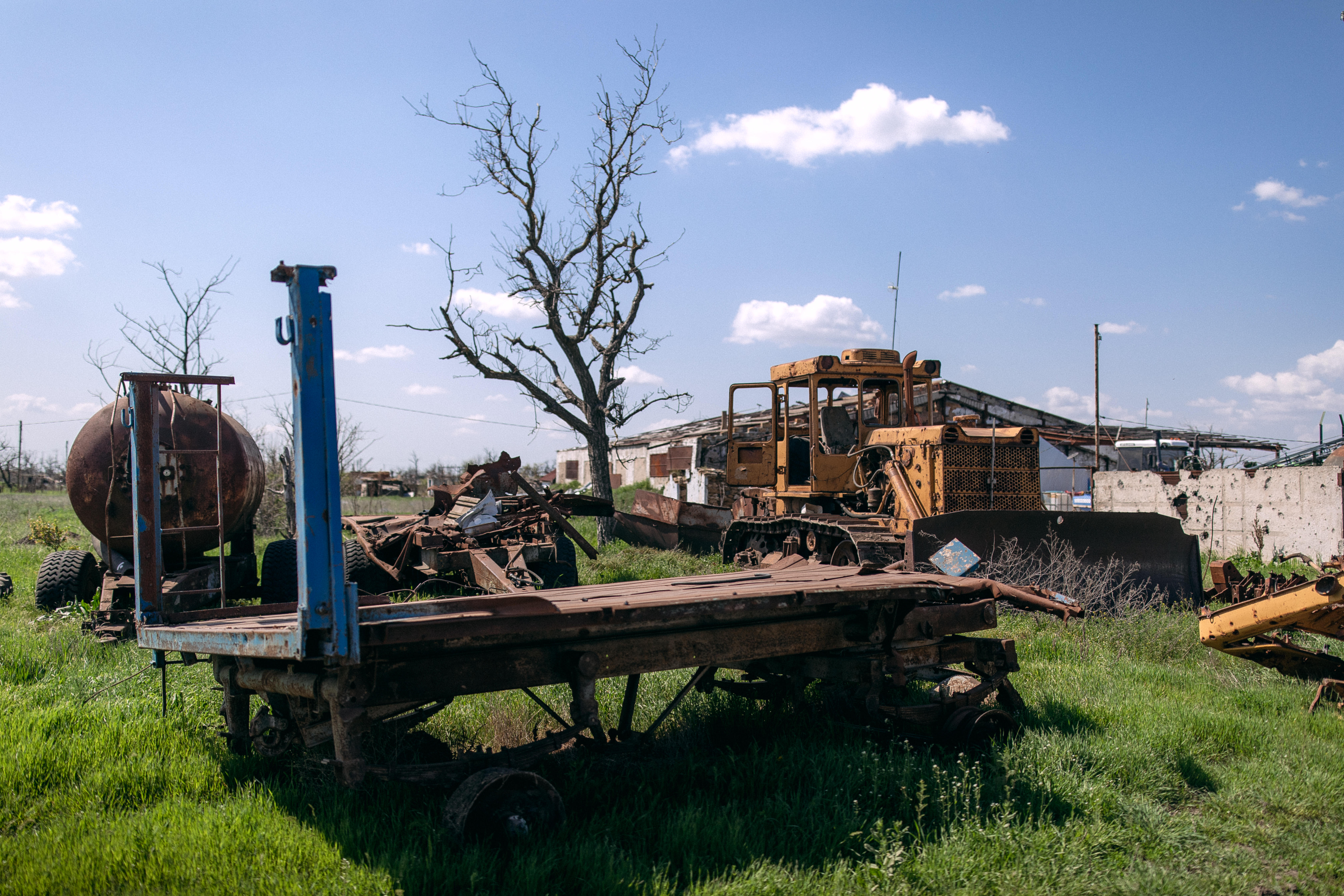
Photo: ©FAO/Anastasiia Borodaienko
23/09/2025
The war in Ukraine and its economic consequences continue to heavily affect the country’s vital agri-food sector, according to a new survey Impact of the war on agricultural enterprises: Findings of a nationwide survey released by the Food and Agriculture Organization of the United Nations (FAO).
The report, conducted between October and December 2024, is based on interviews with 2 612 agricultural enterprises across 23 oblasts under the control of the Government of Ukraine. It covers a diverse spectrum of producers – from small farms of less than 200 hectares to large holdings exceeding 1 000 hectares – engaged in both crop and livestock production.
As the backbone of Ukraine’s food production and global exports, agricultural enterprises cultivate 93 percent of the country’s arable land. Yet the survey reveals that no region has been spared from the consequences of the war. Producers report severe challenges such as damaged infrastructure, disrupted logistics, limited access to inputs and energy, rising indebtedness and widespread land contamination by mines and UXO, particularly in frontline regions.
“The findings confirm both the resilience of Ukraine’s agricultural producers and the unprecedented challenges they face,” said Shakhnoza Muminova, Head of the FAO Office in Ukraine. “Producers are working under immense pressure – from damaged infrastructure and power outages to labour shortages, shrinking revenues and the devastating threat of land contamination. This data will guide FAO, the Government of Ukraine, and partners to design targeted support measures to sustain farmers and strengthen national and global food security.”
This assessment is part of FAO’s series of complementary studies designed to inform recovery programming, guide national and international policy decisions, and identify the most urgent needs of Ukraine’s agri-food sector.
Based on the survey findings, FAO proposes a set of recommendations to support recovery and enhance resilience of Ukraine’s agricultural enterprises. These key actions include expanding financial assistance and improving access to essential inputs; accelerating mine action operations in heavily affected oblasts; repairing damaged infrastructure, storage facilities, and equipment while bolstering energy security; and strengthening value chain functioning by improving market access, addressing logistical bottlenecks, and mitigating widespread labour shortages. Implementing these measures will require close coordination between the Government of Ukraine and international partners, guided by continuous monitoring to ensure the support remains flexible, targeted and evidence based.
Key findings
- 53 percent of enterprises nationwide, and 58 percent in frontline regions, changed their operational decisions in 2024 because of the war.
- The total cultivated area decreased by 7 percent nationally in 2024 compared with 2023. Yields for grains and oil crops were severely affected, with 81.4 percent of producers in frontline oblasts reporting decreased yields.
- High production costs affected over 86 percent of both crop and livestock producers, while revenues widely stagnated or decreased, severely squeezing profitability.
- Land contamination is widespread: 18 percent of crop enterprises nationwide – and 38 percent in frontline areas – reported their fields are affected by mines and unexploded ordnance. In Khersonska oblast, 94 percent of crop producers reported UXO contamination.
- Damages and losses were concentrated in crop production, accounting for 93 percent of reported damages.
- Power outages affected 81 percent of enterprises nationwide and 88 percent in frontline oblasts within the last three months of 2024, leading to increased costs, income loss and operational disruptions.
- The most pressing needs include fertilizers (82 percent), seeds (55 percent) and fuel (45 percent) for crop production, and vaccines or drugs (63 percent), feed (53 percent) and equipment (45 percent) for livestock.
- Labour shortages are a major concern (affecting 69.6 percent), alongside significant logistical hurdles, difficulties accessing inputs (driven primarily by cost) and disrupted market access.