
Electric Vehicles Are Polluting The Air In A Very Strange And Unexpected Way
Many people who aren’t knowledgeable about cars might think that electric vehicles, having no tailpipe emissions, have little or no environmental impact compared to their combustion-powered counterparts. While combustion engines have long been portrayed as gas-guzzling dinosaurs, and electric vehicles as the only viable solution going forward, the reality is a little more complicated.
Electric vehicles absolutely do have an environmental impact, in several different ways; from their manufacturing process to the production of the electricity it takes to power them, there are many steps along the way that produce pollution and carbon emissions in their own right. One particular aspect of EV ownership that most people might not imagine could be a source of pollution is the charging process itself. Let’s take a closer look at how EV fast chargers have an impact on the quality of the air around them, and what other elements of EV manufacturing and ownership are also hidden sources of pollution.
An Unexpected Source Of Pollution: EV Fast Charging Stations

When thinking about pollution caused by EVs, we often tend to focus on the vehicles themselves. There is, however, another source of environmental impact that doesn’t come directly from the cars: the infrastructure used to charge them. A recent study by the UCLA Fielding School of Public Health revealed that EV fast charging stations are an “overlooked source of air pollution”. The study measured air quality near 50 fast charging stations in Los Angeles County, California, most of them part of Tesla’s Supercharger infrastructure.
The findings were surprising: the concentration of fine particulate matter near EV fast chargers was 15.2 micrograms per cubic meter, higher than gas stations. Almost half the fast chargers involved in the study had daily fine particulate matter emissions that exceeded World Health Organization guidelines. This indicated that, far from being a neutral or “zero emissions” part of the equation, the chargers themselves were responsible for some kind of environmental pollution.
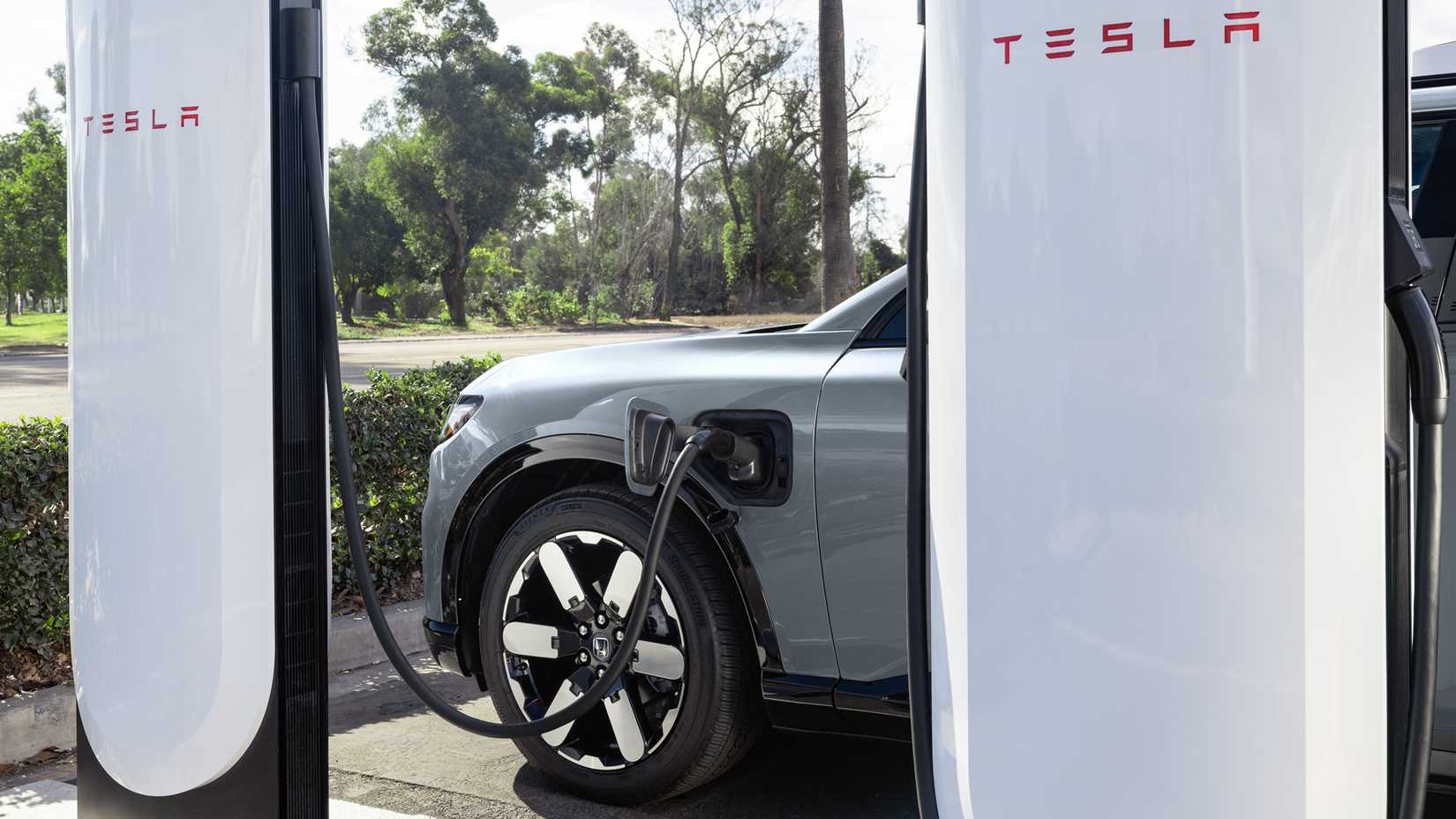
According to the study’s results, charger-related pollution comes from the fans used to keep equipment cool in the fast chargers’ power cabinets. The fans kick up particles from the environment around them (particles largely created from tire wear, brake wear, and dust), affecting air quality in the surrounding area.
This is a very important piece of information as fast charging infrastructure is growing rapidly around the world: in the US alone, 703 high-speed charging stations were built in the second quarter of 2025, according to the Department of Energy.
Other Hidden Ways EVs Have An Environmental Impact
Battery Degradation
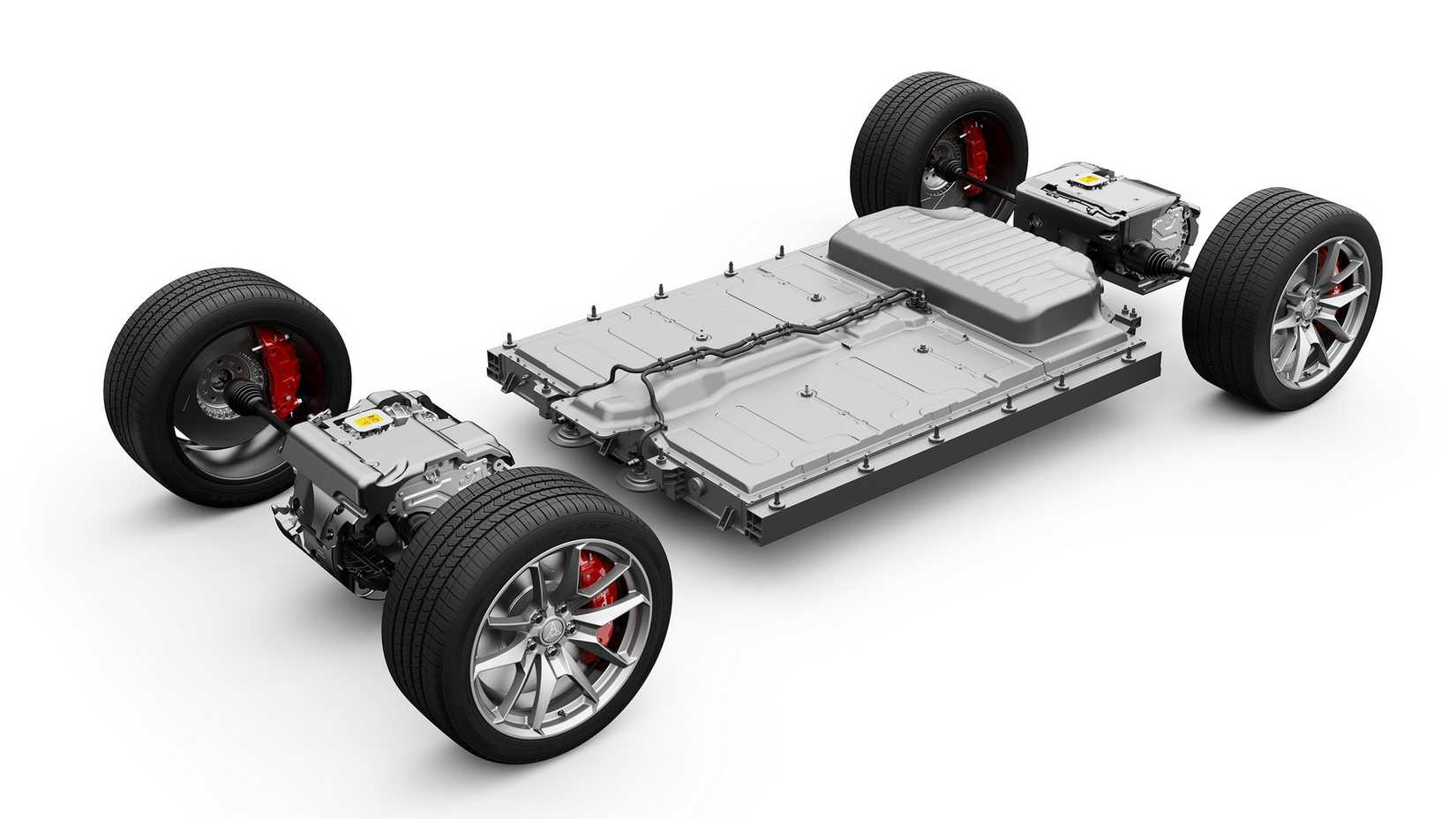
Fast charging infrastructure is not the only way EVs have a hidden impact on the environment. Another potential “problem area” is battery degradation. As anyone who has ever owned a mobile phone will be able to recognize, battery health has a tendency to degrade over time. There are several factors that go into the rate of degradation, including the age of the vehicle, the owner’s charging and driving habits, the number of energy cycles it has run, and the condition of the cells and thermal management controllers. Environmental factors, such as ambient temperature, also play a part.
Once again, fast charging is in the spotlight. Not only does it contribute to air pollution, it can also play a part in battery degradation: many EV experts suggest that fast charging should only be reserved for occasions when it is strictly necessary, rather than being used as a vehicle’s default method of charging.
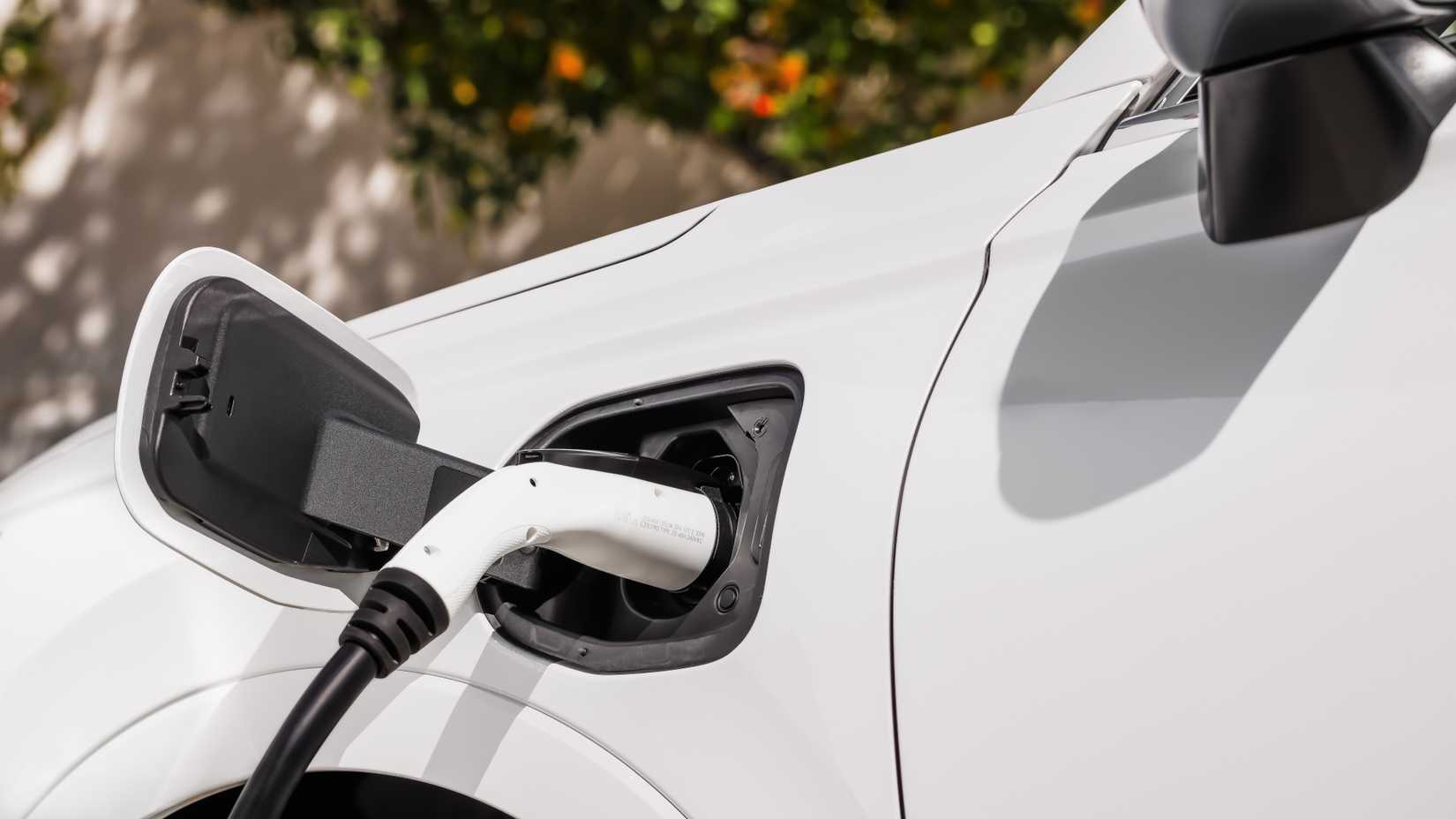
However, recent evidence suggests that, at least in modern EVs, battery degradation may not be as serious of an issue as previously thought. A 2019 study revealed the average rate of EV battery degradation was around 2.3% per year, while more recent data suggests the rate has now dropped to 1.8%. As a result, even after a decade of ownership, EV drivers can expect their vehicle to have retained over 80% of its original battery capacity. When batteries do need replacing, however, they do have a substantial environmental impact, as well as an impact on the owner’s wallet: average costs for an EV battery replacement range from around $5,000 to $20,000.
The Supply Chain For Batteries And Electricity
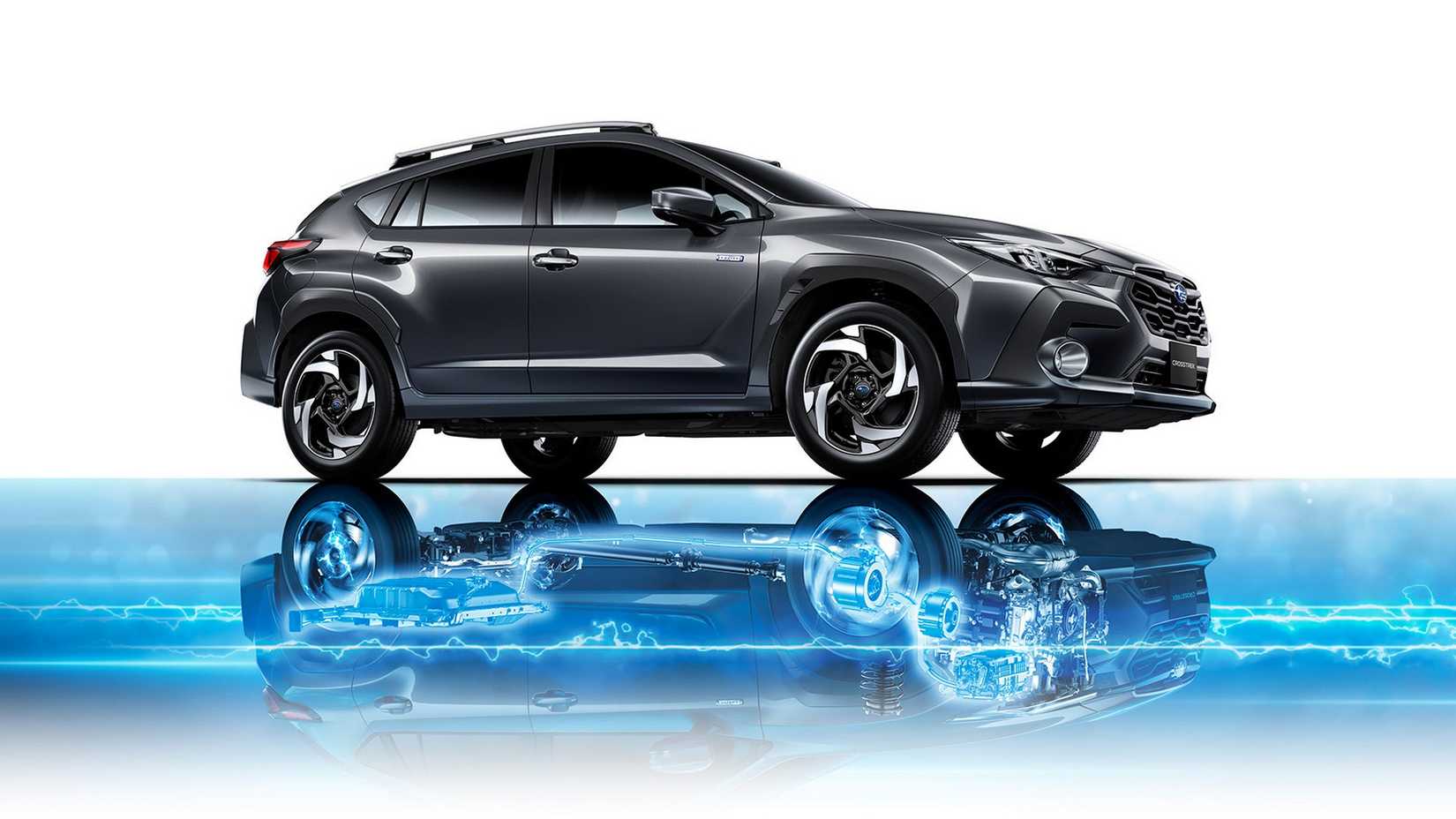
Even in an ideal world – where your EV does not experience battery degradation and causes the minimal amount of pollution possible – there is still the question of the supply chain required to put it on the road in the first place. The term “zero emissions” is frequently used to refer to EVs as a way to advertise their supposed lack of environmental impact but any device that uses electricity is bound to have an impact on the environment because of where the electricity is coming from.
A large amount of power produced in the US comes from sources such as natural gas and coal, neither of which are anything close to “zero emissions”. EVs do have a reduced total environmental impact thanks to their lack of tailpipe emissions, but that is only a small part of the equation compared to the wider impact of electricity production.

The supply chain for power isn’t the only one that raises EVs’ environmental impact. There’s also the manufacturing process behind electric vehicles’ batteries, which is a further source of pollution itself. Lithium mining poisons surrounding bodies of water, as well as releasing toxic fumes into the air. The environmental impact of sourcing other minerals, such as cobalt, needs to be taken into account as well.
While these minerals are also used in other types of batteries, namely mobile phones and other electronic devices, EV batteries make up a large part of their use. According to Earth.org, an electric vehicle needs to be on the road for eight years before it manages to offset the environmental impact of its manufacturing process. In other words, you will need to own and run your car for nearly a decade before being able to claim it is “greener” than an ICE vehicle.
Increased Tire Wear Due To Extra Weight
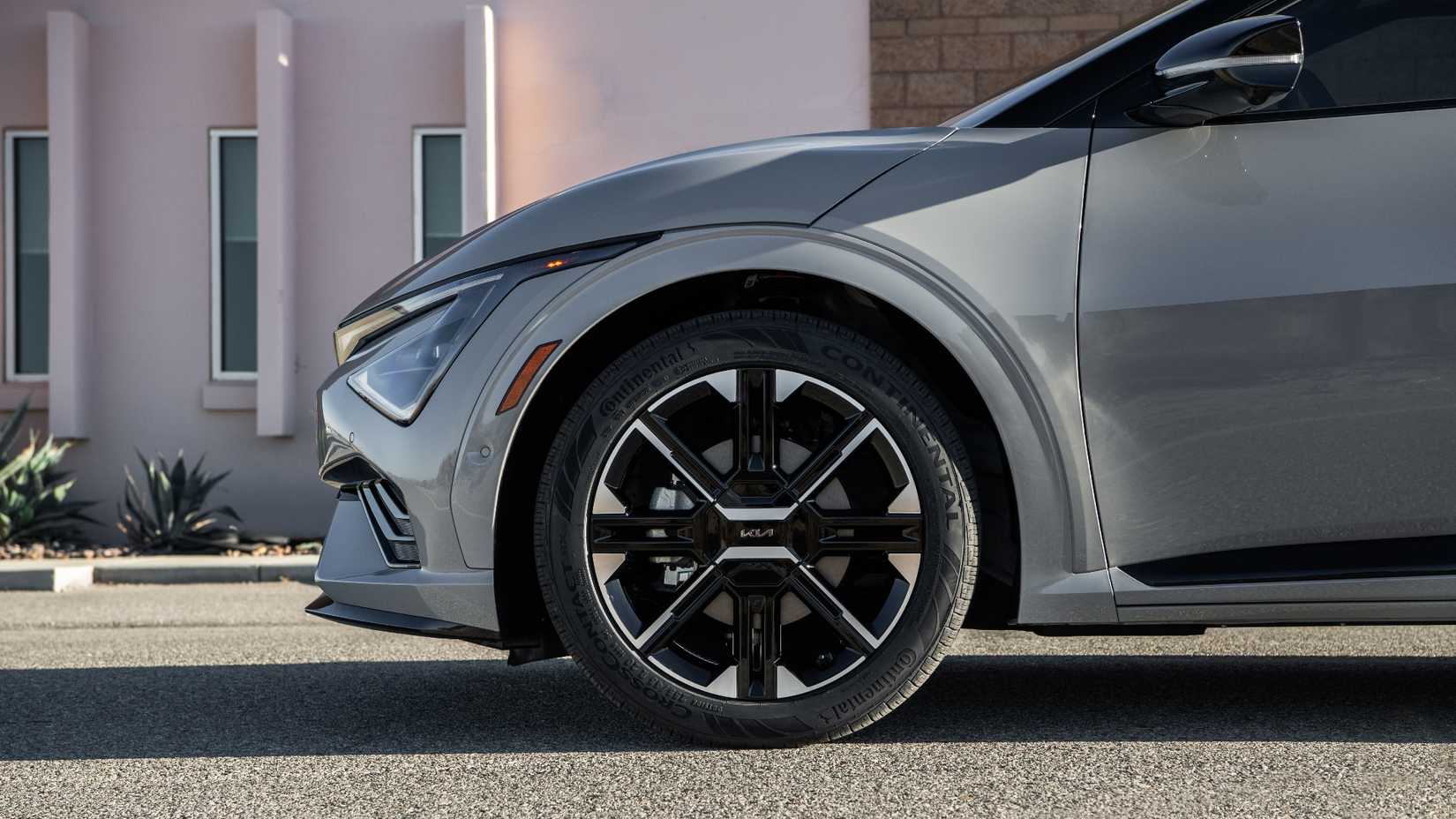
Tire wear is another major source of pollution related to EVs; although all vehicles experience it, an EV’s additional weight means tires wear down faster and have to be replaced more often, making tire wear a bigger issue. In a recent study, UK-based company Emissions Analytics established that particle pollution derived from tire wear is 1,850 times higher than the average tailpipe emissions of an ICE vehicle.

Over 250 types of tires were tested, most made of synthetic rubber. The substance can be highly harmful to the environment, and when a tire wears down, particles of it end up in bodies of water or in the soil. Some of the organic compounds found in the tires tested for the study were known carcinogens, proven to have a detrimental effect on human life and health.
“Tires are rapidly eclipsing the tailpipe as a major source of emissions from vehicles […] Tailpipes are now so clean for pollutants that, if you were starting out afresh, you wouldn’t even bother regulating them.” – Nick Molden, Emissions Analytics
The size of the particles is also a concern, according to the study’s findings. Around a 10th of the particles produced from tire wear are smaller than 2.5 microns in diameter, or the size of fine particle dust. As a result, they are easier to inhale and it’s easier for them to make their way into the bloodstream.
Although there are plenty of reasons to be optimistic about electric vehicles, there are also some aspects of EV manufacturing and ownership that have the potential to be detrimental to the environment, and we should always be mindful of these when discussing our options for mobility in the future.
Sources: Automotive News, Earth.org, ACEEE, UCLA Fielding School of Public Health