
Drone strike hits Arab nuclear power plant as Iran peace talks stall
A drone strike caused a fire at the Barakah Nuclear Power Plant in the United Arab Emirates on Sunday, May 17, sharpening fears that the fragile ceasefire between the U.S. and Iran could rapidly unravel. Emirati officials said the blaze was contained without injuries and stressed that radiation levels at the facility remain normal. Nevertheless, the incident intensified concerns about the growing instability across the Gulf as peace talks continue to stall.
Fire breaks out at UAE nuclear facility following drone strike
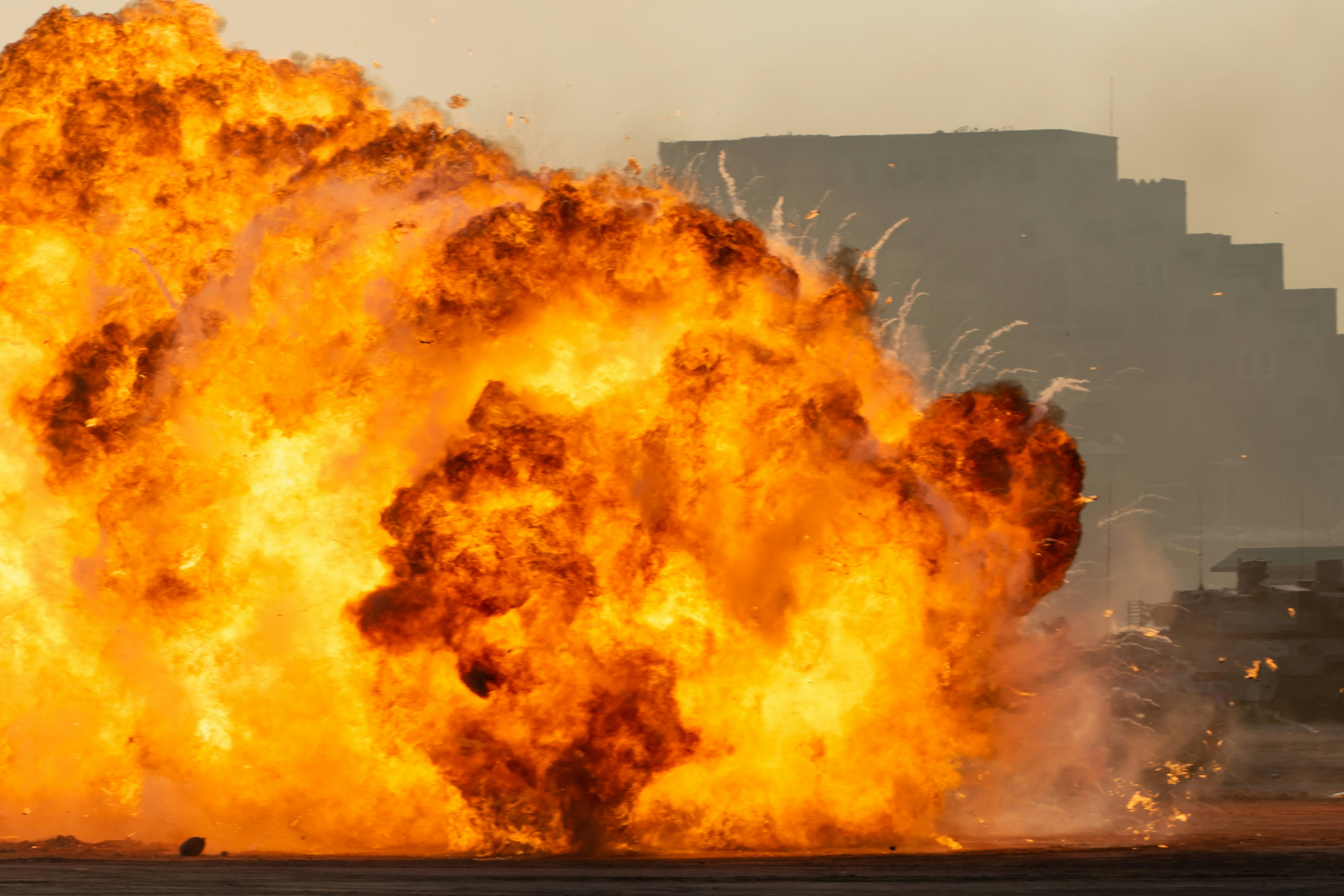
The fire erupted in an electrical generator outside the inner perimeter of the Barakah Nuclear Power Plant, according to local authorities and United Nations experts. The four-reactor facility, located southwest of Al Dhannah and west of Abu Dhabi, is the region’s first nuclear power plant and provides about a quarter of the UAE’s electricity supply.
Officials said emergency diesel generators automatically restored power to one reactor unit after the strike. Abu Dhabi’s media office stated that all reactor units continued operating normally and that the fire had no impact on plant safety or radiation levels. The International Atomic Energy Agency said it had been informed of the incident and was prepared to assist if necessary. IAEA chief Rafael Grossi warned that military activity near nuclear facilities could threaten operational safety and potentially lead to a nuclear accident.
Strained ceasefire after months of regional warfare

The drone strike highlighted the instability surrounding the current U.S.-Iran ceasefire, which has been in place since early April. The ceasefire followed a broader conflict triggered by U.S. and Israeli strikes on Iran on February 28. Tehran later retaliated against Israel and U.S.-aligned Gulf states, with the UAE facing repeated missile and drone attacks during the conflict. Although UAE officials did not directly accuse Iran of carrying out Sunday’s strike, the nation’s Defense Ministry has repeatedly reported intercepting incoming projectiles in recent weeks despite the truce. According to government figures, the UAE has intercepted 572 missiles and 2,265 drones since the war began.
U.S. could accept peace agreement halting Iran’s nuclear development for 20 years
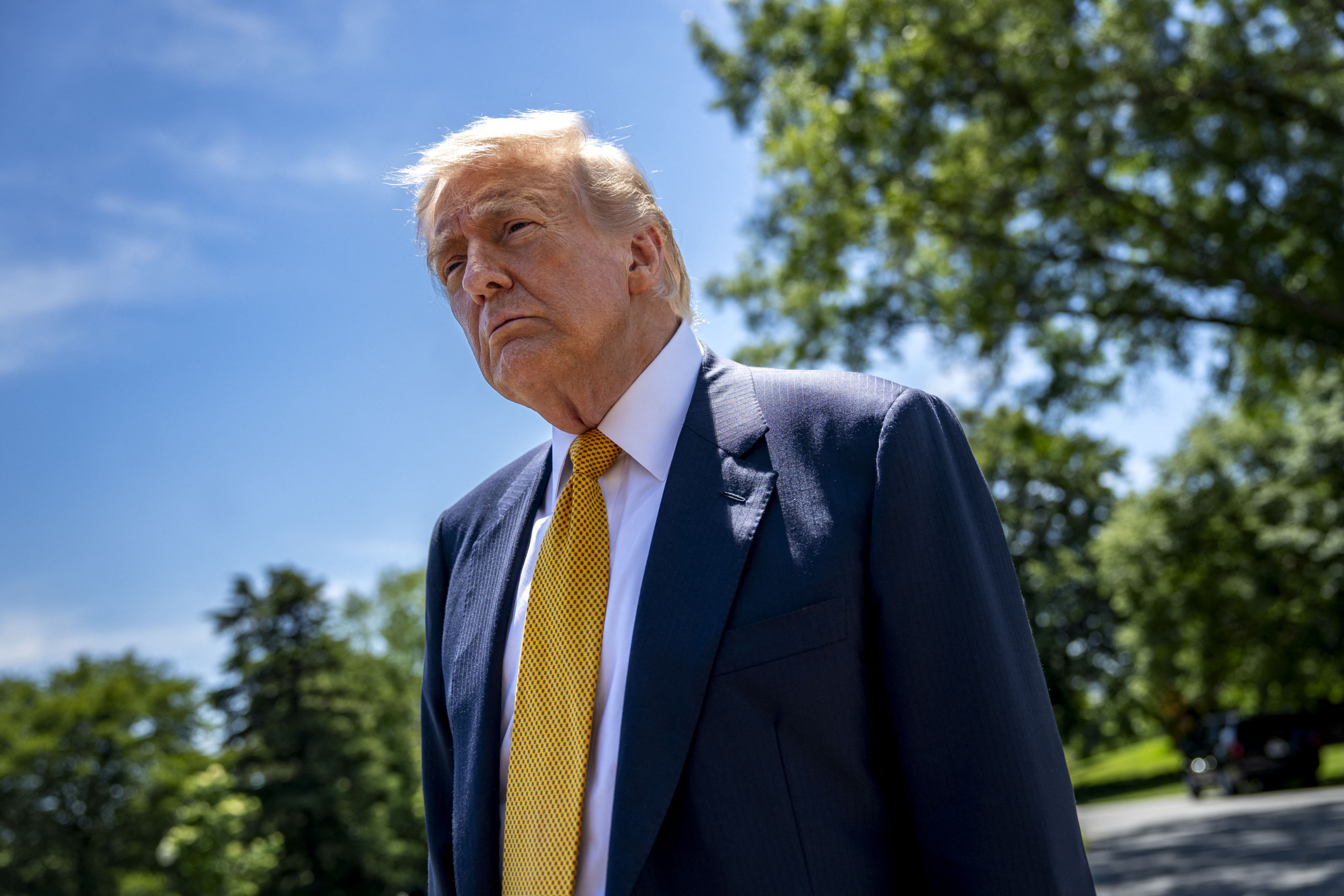
President Donald Trump said on Saturday, May 16, that the U.S. could accept a peace agreement that would halt Iran’s nuclear development for 20 years rather than dismantling all nuclear activity permanently. His comments suggested Washington might be softening its earlier demands for a complete end to Tehran’s nuclear program. The U.S. has maintained that Iran cannot be permitted to develop a nuclear weapon and has also demanded unrestricted navigation through the Strait of Hormuz. Iran insists its nuclear program is peaceful, although international concerns have grown after it was reported that Tehran’s enriched uranium has reached levels nearing weapons-grade capability.
Maritime crisis around the Strait of Hormuz
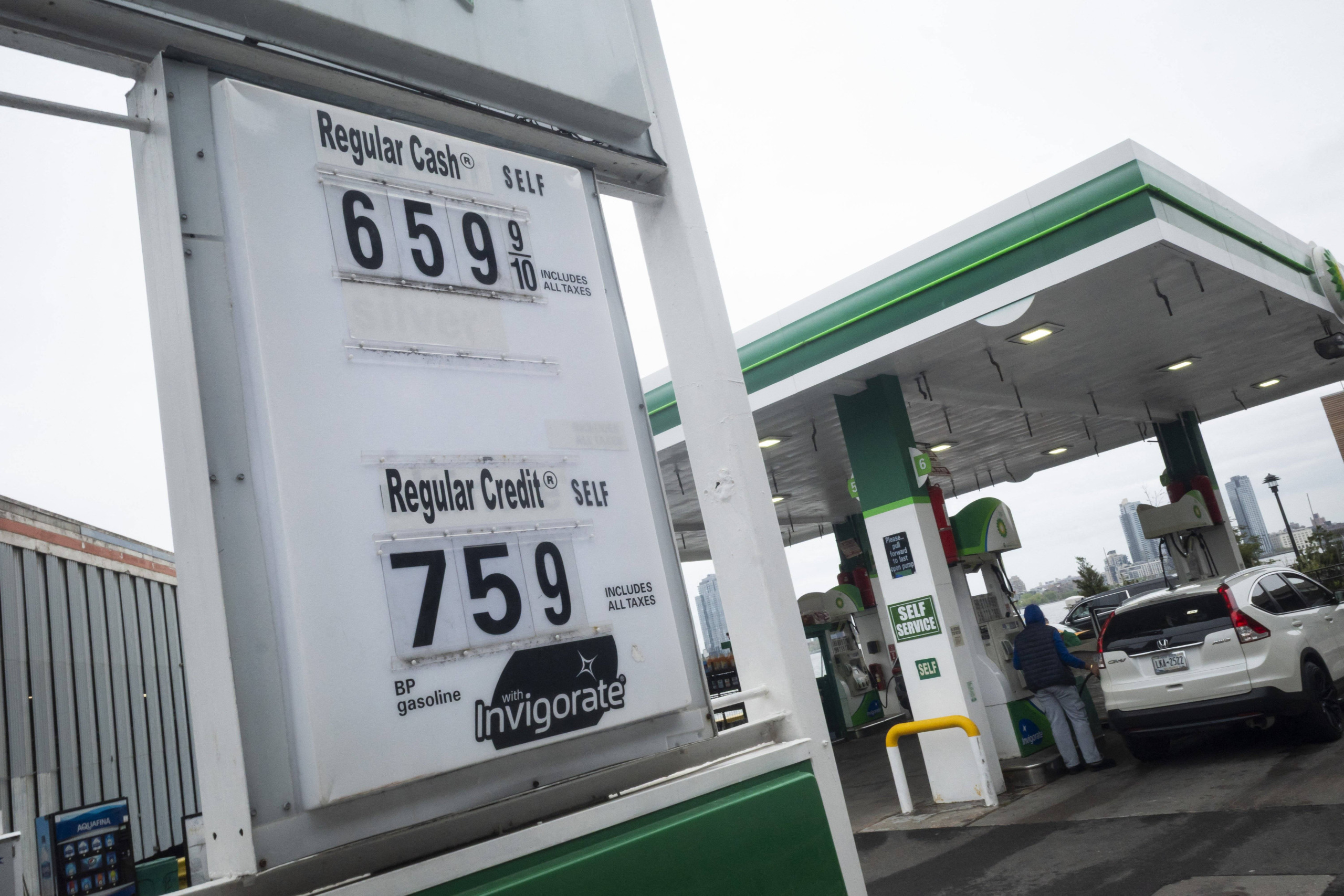
The conflict has also fueled a growing maritime crisis around the Strait of Hormuz, through which roughly one-fifth of global oil and gas supplies normally pass. Iran has restricted access to ships it considers hostile since early March, while the U.S. later imposed its own blockade on Iranian ports. The U.S. military said Saturday it had stopped 78 commercial vessels and disabled four additional ships as part of enforcement operations. Iranian official Ebrahim Azizi said Tehran had developed a new mechanism for controlling maritime traffic and had begun collecting toll fees from passing ships, a move condemned by Washington and international shipping groups as unacceptable. The prolonged disruption has unsettled global energy markets and resulted in skyrocketing fuel prices, as well as stranded thousands of sailors near the strategic waterway.