
Colorado faces a new era of wildfires in a warming climate
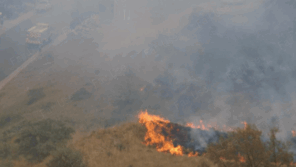
On Aug. 2, a lightning strike sparked what Gov. James Polis called a “disaster.” From early August to mid-September, two wildfires devastated communities in Rio Blanco, Colorado.
The Lee and Elk Fires, which are now contained, left many Colorado citizens desperate for relief. The fires highlight the state’s growing vulnerability to drought and warming conditions linked to climate change.
Climate change has turned the state into an even drier and warmer hotspot for droughts due to increasing emissions of greenhouse gasses from fossil-fuel combustion in the Western Slope. In 2020 alone, Colorado experienced its three largest wildfires ever recorded, and the influence of climate change can be noted through the fact that all of Colorado’s 20 most devastating wildfires have occurred in the past 20 years. Instead of being a cycle that may dissipate eventually, the lack of precipitation in Colorado seems to be more of an irreversible trend.
Colorado has warmed more than four degrees Fahrenheit, which notably surpasses pre-industrial levels due to global increases in the utilization of greenhouse gases and anthropogenic sources, which only elevates the risk of wildfires in the state.