
Climate-proofing Asia’s Mega Deltas is imperative
Spread out across the region, the Asian Mega Deltas (AMD) are rich agricultural areas that are home to over 400 million people.[1] “These areas play an important direct and indirect role in global food security, nutrition and poverty alleviation,” says Qingfeng Zhang, senior director for agriculture, food, nature and rural development at Asian Development Bank (ADB).
The deltas’ importance will only increase as Asia’s economic and population growth accelerate food demand, which is expected to grow 45% above 2020 levels by 2050. And looming over Asia’s food security worries is the “profound existential threat” posed by climate change to the region.[2]
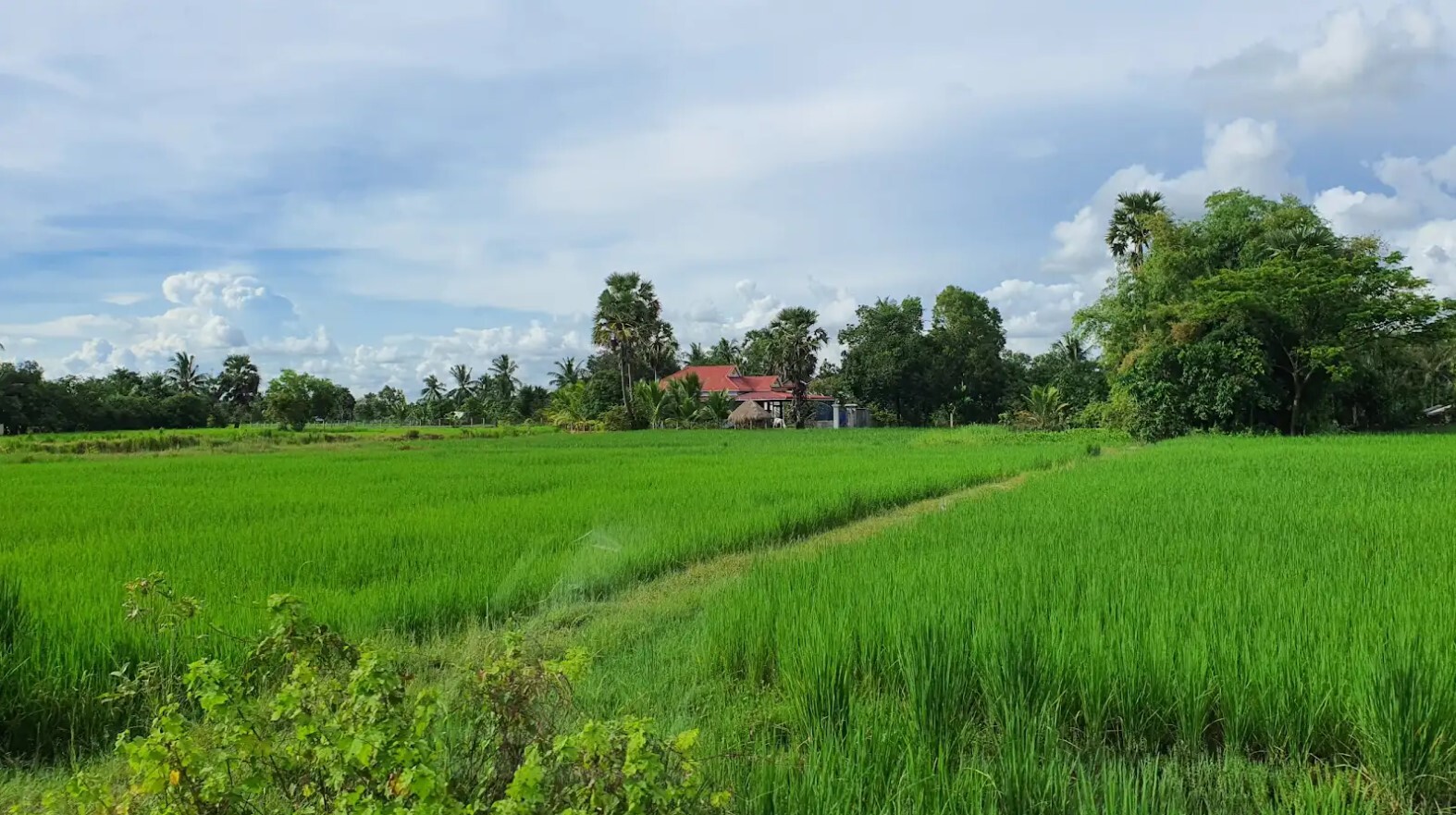 Photo courtesy of IRRI and WorldFish under the CGIAR Initiative on Asian Mega-Deltas
Asian Mega Deltas (AMD) are rich agricultural areas that are home to over 400 million people.
“Around 90% of Asia depends on rice, and AMDs—major rice-growing regions—are exceptionally vulnerable to climate change because of their geographic setting, topography and high population density,” says Mr Zhang, noting that the impacts are especially felt in coastal regions in Bangladesh, Vietnam and Cambodia.
“People living in these deltas face hurricanes and floods, which contribute to rising sea levels and saltwater intrusion. The latter, often exacerbated by human interventions like over-pumping and decreasing aquifer recharge, is negatively impacting crop production and increasing the risks of pest infestations and crop disease outbreaks.”
“AMDs are exceptionally vulnerable to climate change because of their geographic setting, topography and high population density”
-Qingfeng Zhang, senior director for agriculture, food, nature and rural development at Asian Development Bank (ADB)
The risks facing rice
More than many other crops, rice faces among the most significant risks from a warming climate.
“Rice is much more water-intensive compared to other cereals like maize or wheat, so any fluctuations in rainfall can impact the growth and productivity of current rice producers,” says Katie Nelson, a climate change specialist at the International Rice Research Institute (IRRI). “It’s also very temperature-sensitive, so heat at night can effect yield and quality.”
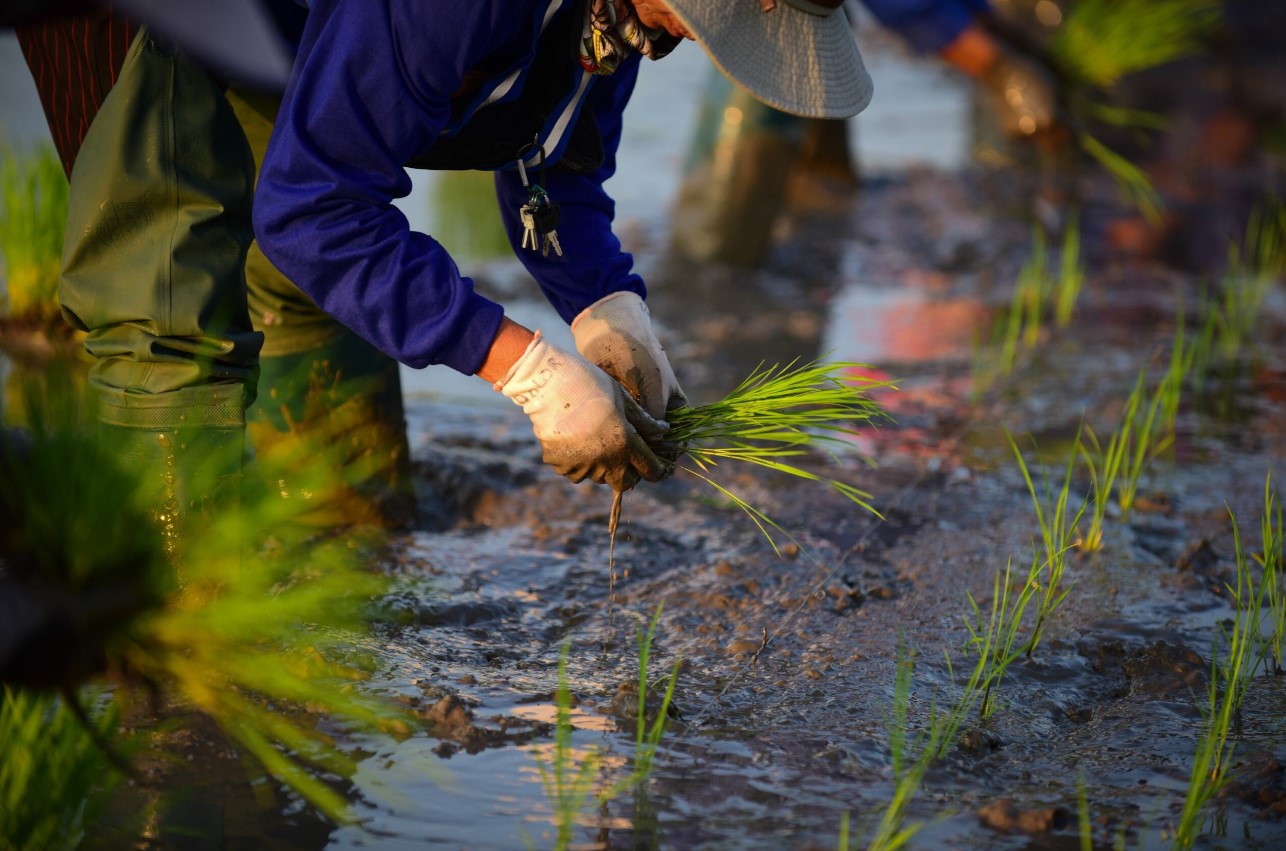 Photo courtesy of IRRI and WorldFish under the CGIAR Initiative on Asian Mega-Deltas
“Rice is much more water-intensive compared to other cereals like maize or wheat, so any fluctuations in rainfall can impact the growth and productivity of current rice producers.”
-Katherine Nelson, climate change specialist, International Rice Research Institute (IRRI)
As a result, rice prices in recent years have been the subject of significant price volatility, surging to a 15-year high in late 2023 in response to exports ban by the Indian government and the increasingly adverse effects of climate change.[3][4]
To better understand the risks posed by climate change to rice productivity, ADB and IRRI conducted a comprehensive study of two critical AMDs that were identified by a 2007 IPCC report as being particularly vulnerable to the impacts of climate change: the Mekong River (Vietnam and Cambodia) and Ganges-Brahmaputra (Bangladesh) deltas.[5]
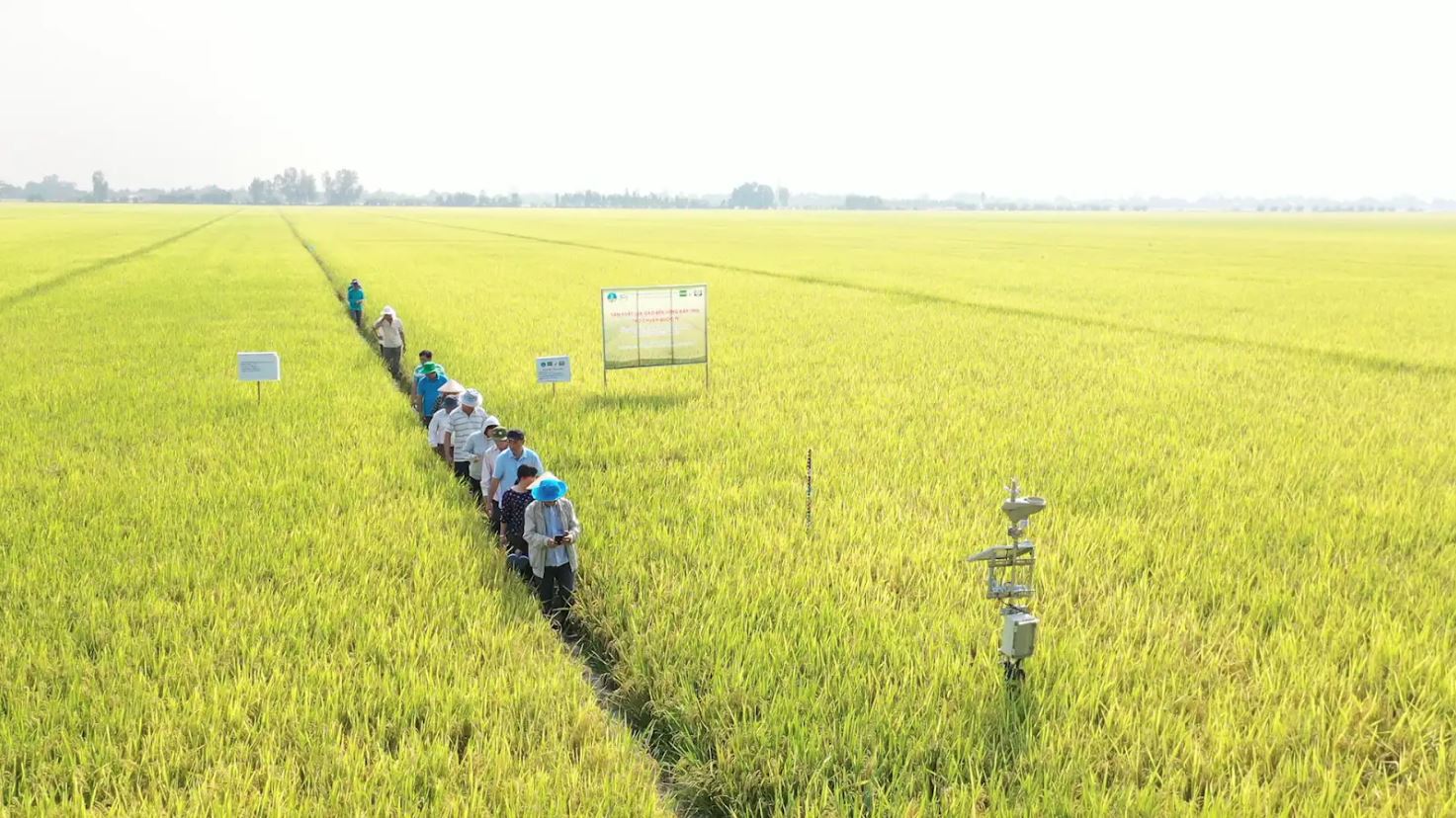 Photo courtesy of IRRI and WorldFish under the CGIAR Initiative on Asian Mega-Deltas
The report builds off a six-step analytical framework to evaluate the climate resilience and adaptability of the two AMDs through thorough assessments of existing climate adaptation policies, climate risk maps, crop suitability analysis, vulnerability assessments, cost-benefit analyses and a market analysis. The eventual goal of the report was to surface major gaps and actionable insights needed to craft a roadmap for future adaptation planning.
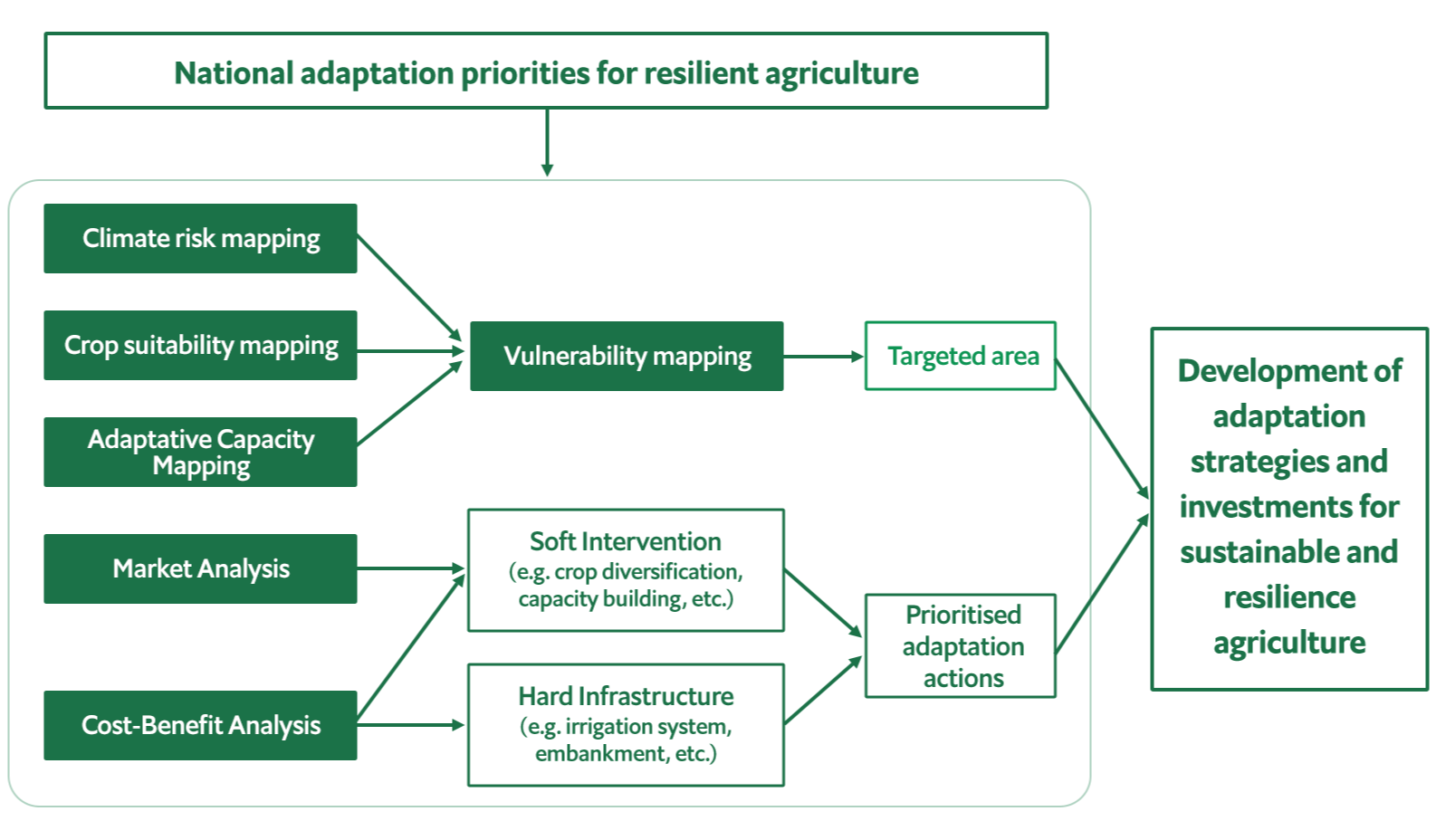 Fig 1. Analytical framework of the food systems approach to adaptation planning
“We wanted to conduct a comprehensive analysis that was ‘context-aware’ to provide ‘context-specific’ recommendations,” Mr Zhang says. “That’s why we applied a framework that included people, nature and market.”
The research revealed that, if no action is taken, current climate trends could result in 15-17% reduction in rice yields in Asia’s deltas by mid-century that could trigger a catastrophic cascade of poverty and food insecurity across the entire supply chain.
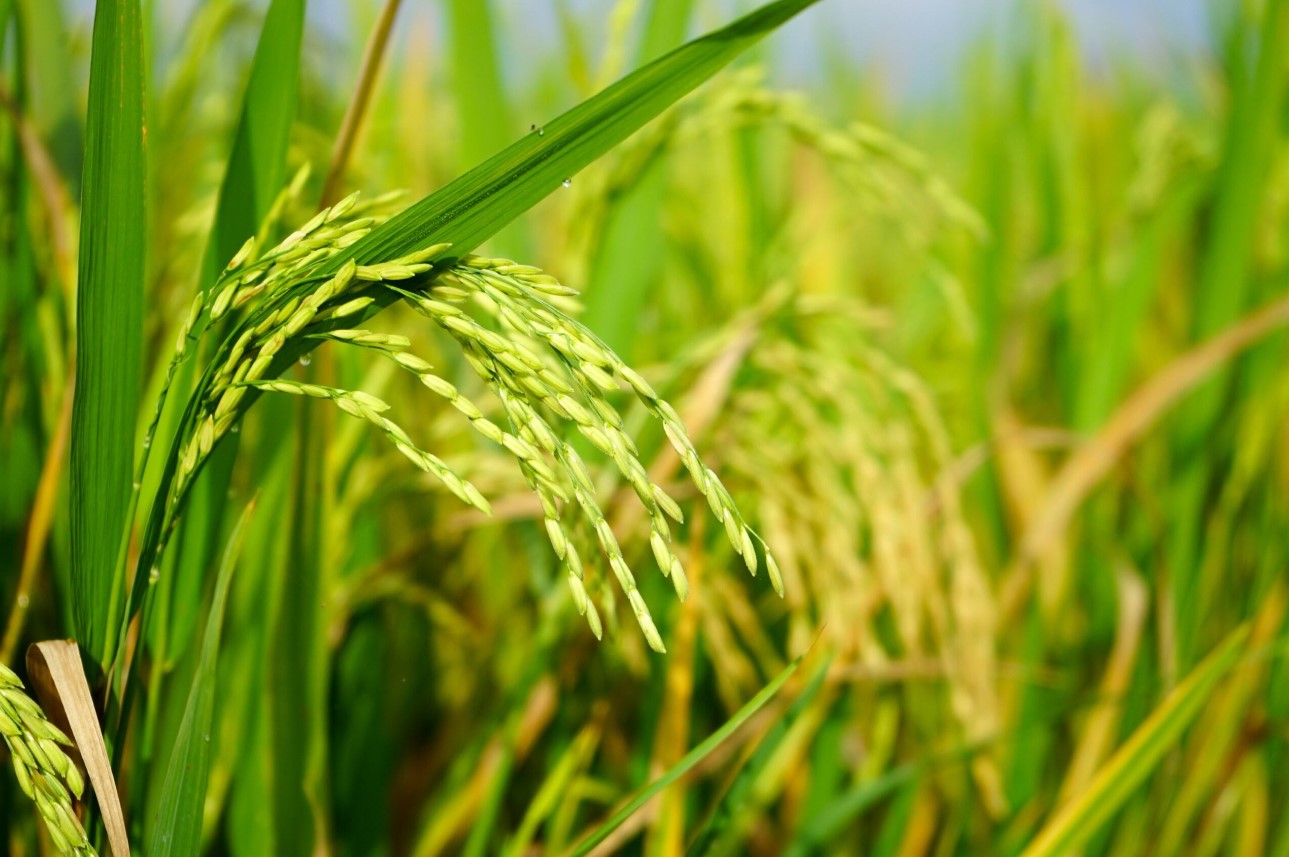 Photo courtesy of IRRI and WorldFish under the CGIAR Initiative on Asian Mega-Deltas
Current climate trends could result in 15-17% reduction in rice yields in Asia’s deltas by mid-century that could trigger a catastrophic cascade of poverty and food insecurity.
“Rice is generally considered a low-value crop, so its producers usually live below the poverty line or on low incomes,” says Ms Nelson. As the impacts of climate change worsen rice productivity of AMDs, livelihoods all along the deltas could be impacted.
“People living along AMDs are some of the world’s poorest, so keeping rice affordable is key,” she says. “The deltas aren’t just rice bowls, they’re major global exporters, so production and infrastructure investments must keep up to ensure some degree of stability.”
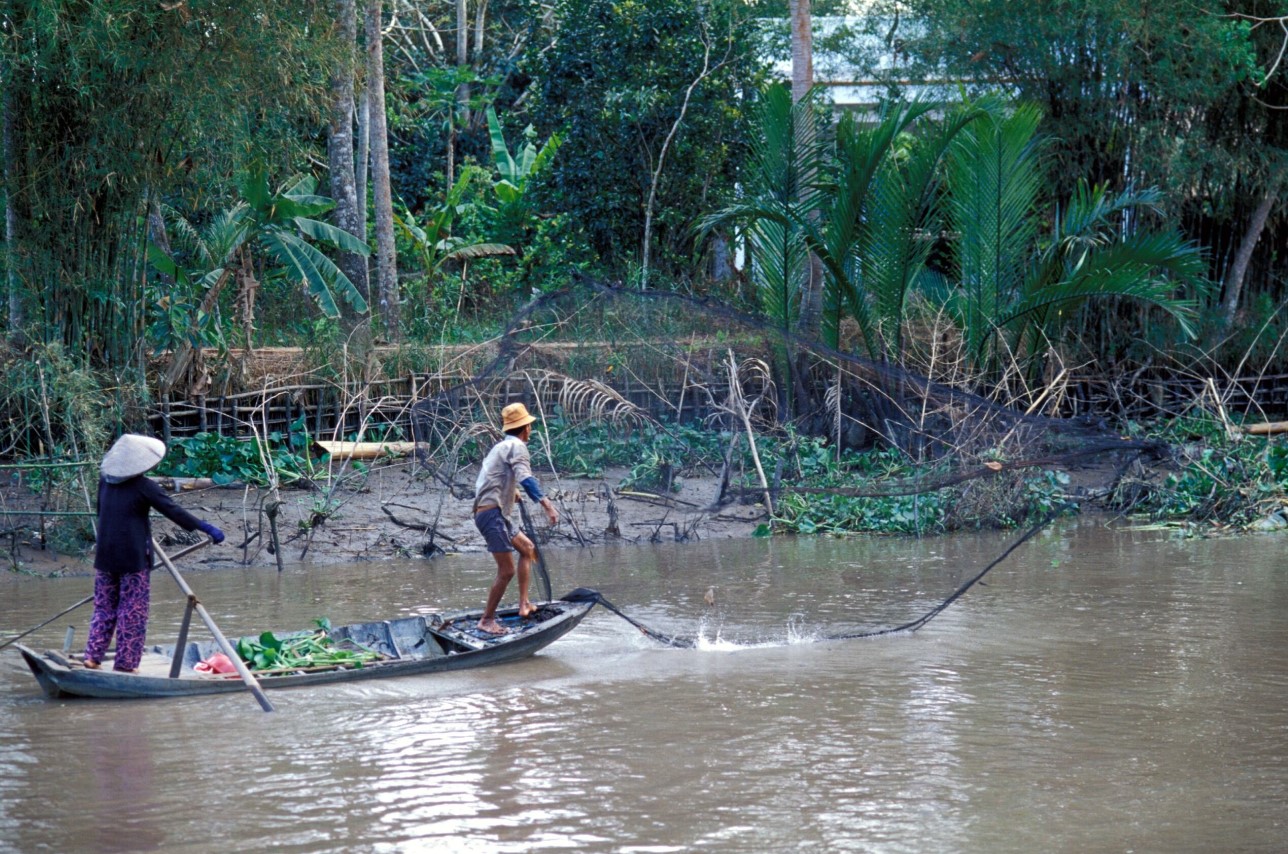 Photo courtesy of IRRI and WorldFish under the CGIAR Initiative on Asian Mega-Deltas
A closer look at climate vulnerability
One of the primary findings of the study was the lack of uniformity across the deltas in terms of their climate vulnerabilities. The Mekong AMD, for example, is highly suitable for cultivating rice but struggles with low-to-medium adaptive capacity due to physical, human and economic limitations.
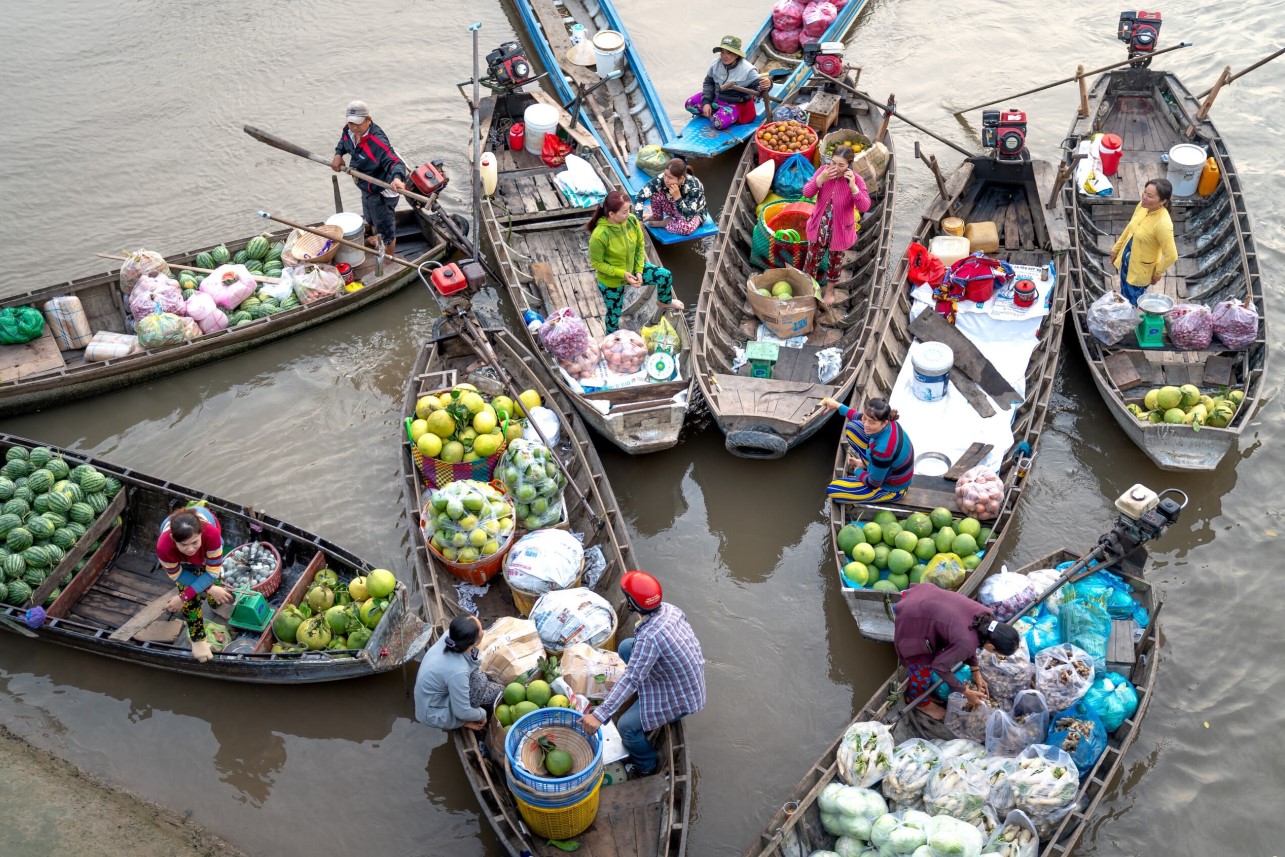 Photo courtesy of IRRI and WorldFish under the CGIAR Initiative on Asian Mega-Deltas
Yet, areas such as the city of Can Tho and Kien Giang province have higher adaptive capacities due to greater literacy, market availability and infrastructure access. A similar picture emerges in the Cambodian parts of the Mekong Delta. Though most of the area is prone to floods and droughts, the northern and central parts of the delta in Cambodia demonstrate relatively greater adaptive capacity.
Meanwhile, in the Ganges-Brahmaputra AMD in Bangladesh, droughts, flood and thermal stress are the primary climate risks, necessitating significant investment in infrastructure to mitigate. While there is a large variation of adaptive capacity across the Ganges-Brahmaputra Delta, Bangladesh remains largely vulnerable to climate change—especially in the east—due to a poor access to infrastructure, capital and talent.
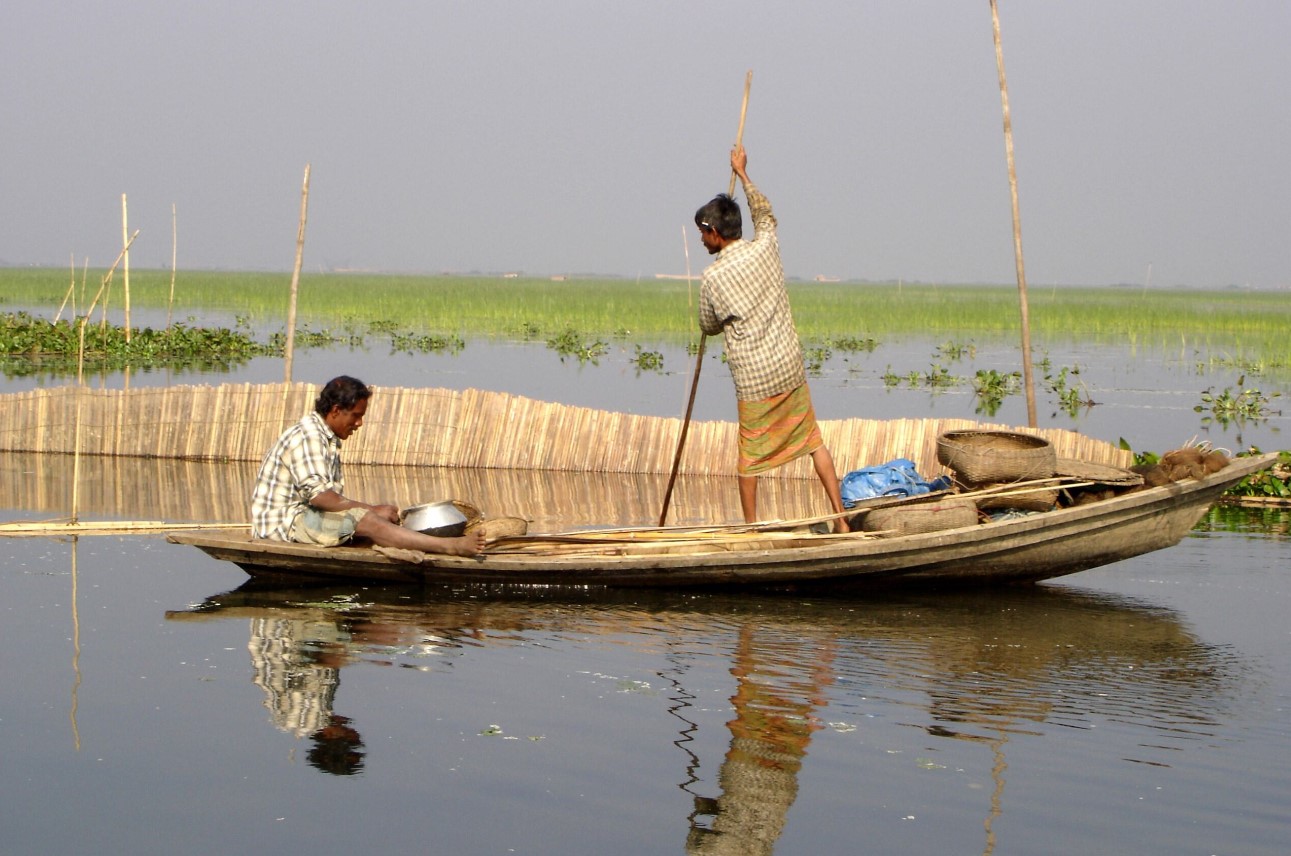 Photo courtesy of IRRI and WorldFish under the CGIAR Initiative on Asian Mega-Deltas
In the context of the converging trends, there is dire need for climate adaptation efforts to build resilience in these rice-based agricultural areas to ensure food security for the millions in Asia who depend on rice as a staple and an economic cornerstone.
Local solutions for local problems
The study clearly shows that each delta has unique challenges and potential economic opportunities, with no universal solution. It highlights various initiatives like crop diversification that have been undertaken in the two AMDs to bolster food security.
“Occasionally, farmers will leave fields fallow for periods of time because of drought or insufficient water availability,” explains Ms Nelson. “We’ve been looking into how crop diversification and new drought- or saline-tolerant crops can help add income and increase protein intake.”
Crop diversification has become increasingly popular because of how lucrative certain products like watermelon can be. In Vietnam, for example, pairing rice with shrimp farming poses a potential economic windfall, as well as a buffer against climate risks. Bangladesh, on the other hand, may reap greater rewards through rice-fish farming.
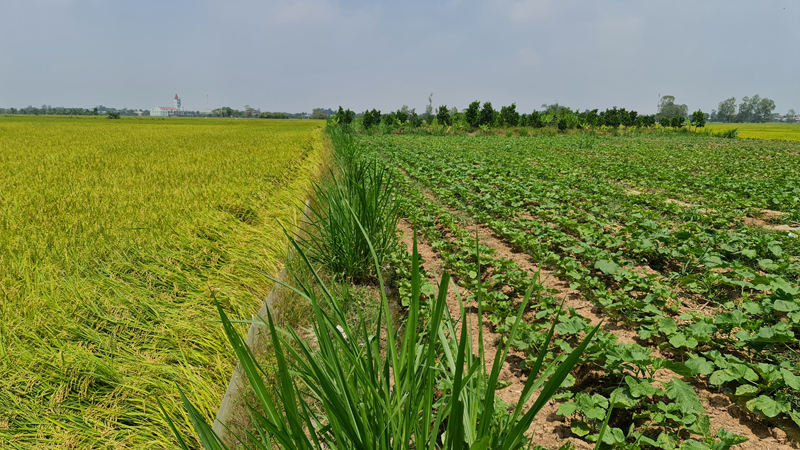 Photo courtesy of IRRI and WorldFish under the CGIAR Initiative on Asian Mega-Deltas
“We’ve been looking into how crop diversification and new drought- or saline-tolerant crops can help add income and increase protein intake.”
-Katherine Nelson, climate change specialist, International Rice Research Institute (IRRI)
However, Ms Nelson also emphasises the importance of pairing these adaptive solutions with proactive policies that can support farmers’ access to resources, such as digital technologies, training, financing and connectivity.
“Improving climate advisory services can help them plan when to plant or harvest depending on the weather,” she says. “There’s also the option of advocating for more sustainable practices that promote the conservation of natural resources. Think about mangroves: these don’t just prevent soil erosion; they also create optimal conditions for farming shrimp and fish.”
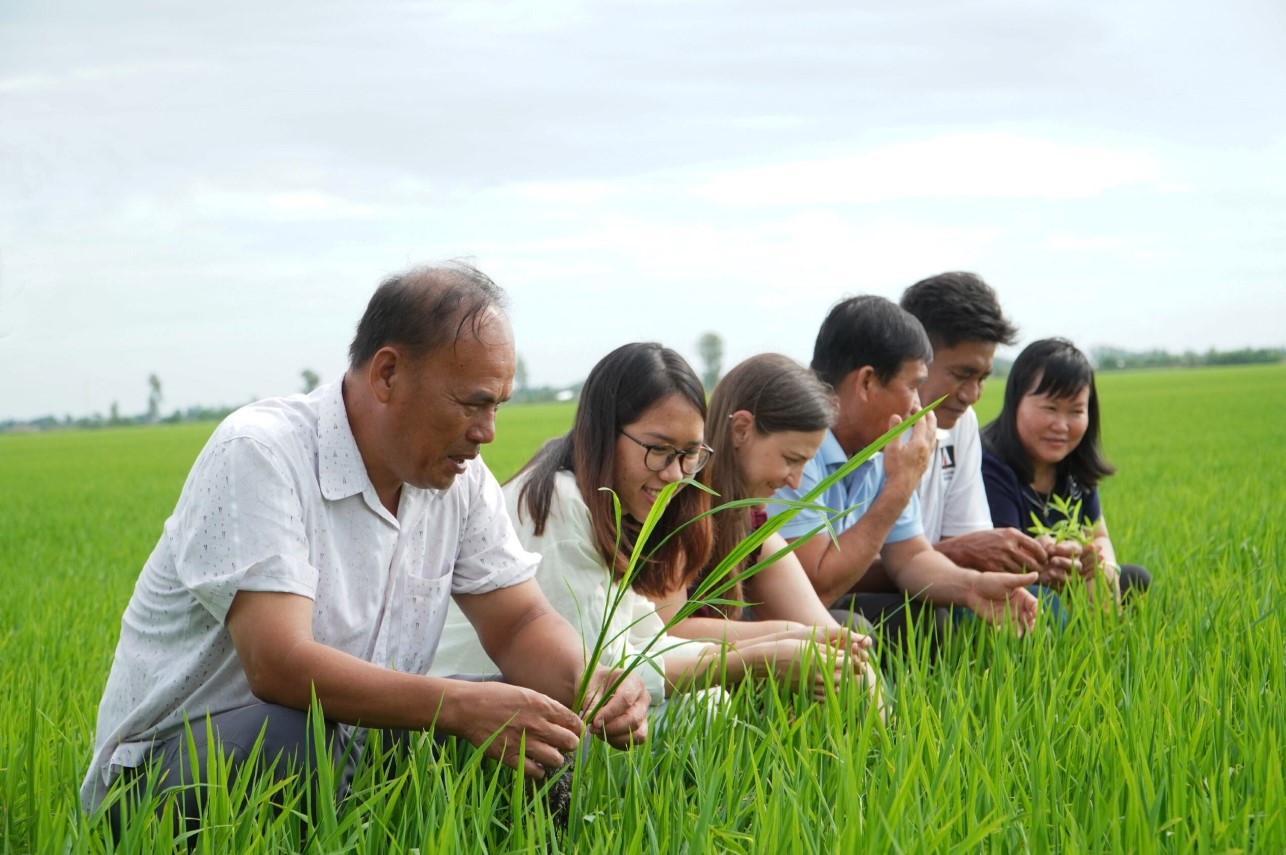 Photo courtesy of IRRI and WorldFish under the CGIAR Initiative on Asian Mega-Deltas
Collaborating for greater resilience
Though each delta faces unique challenges, the deltas’ climate risks cannot be resolved by any one party. Collaboration will be critical to ensure farmers in the region can access the resources they need to fully adapt their agricultural practices to a changing climate, both Mr Zhang and Ms Nelson say.
Ms Nelson emphasises the importance of taking a regional approach, especially as rice production in Vietnam and Cambodia supports food security in places like the Philippines.
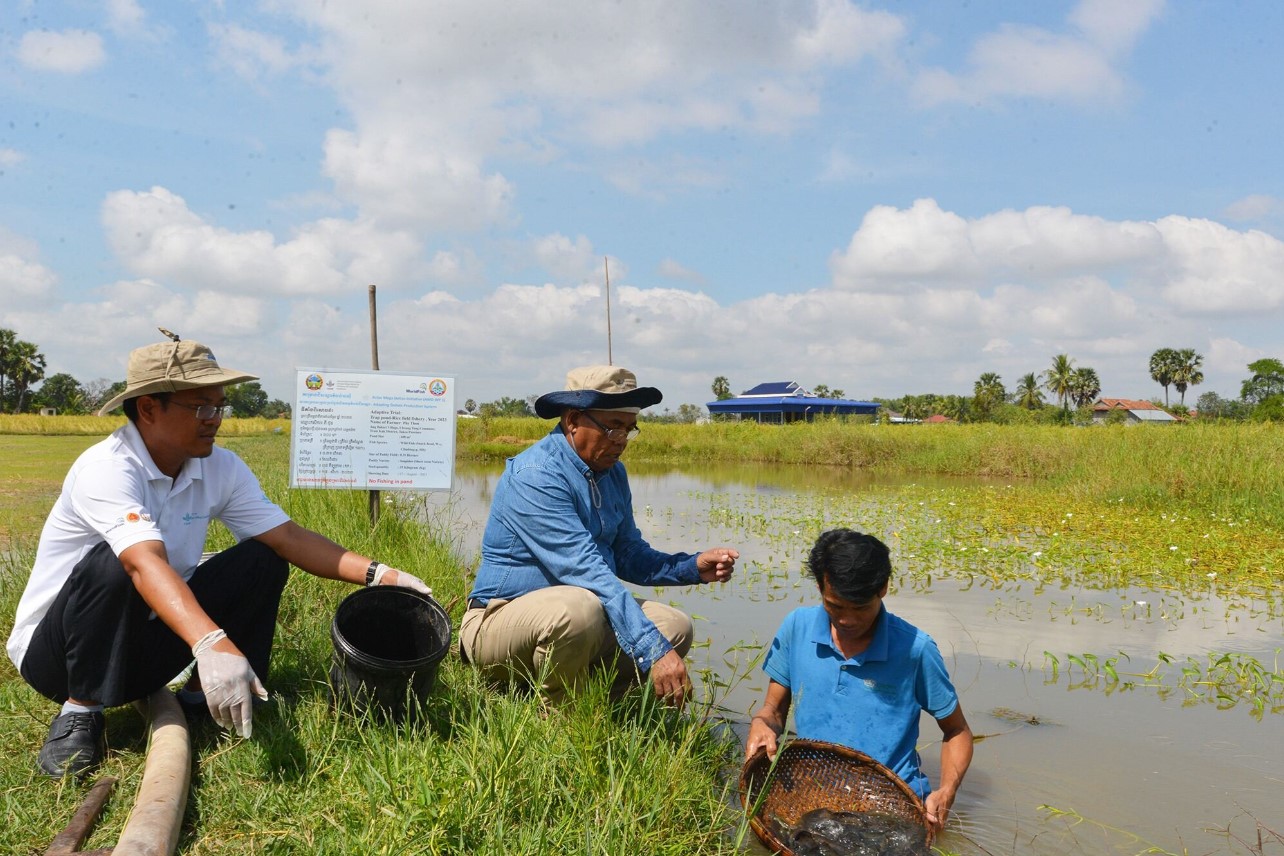 Photo courtesy of IRRI and WorldFish under the CGIAR Initiative on Asian Mega-Deltas
“We’re already seeing regional initiatives to bolster climate adaptiveness, particularly in ASEAN,” she adds, citing the ASEAN+3 Emergency Rice Reserve. [6]
Collaborations must also involve stakeholders beyond government, such as financial institutions, the private sector and multilateral development organisations. According to Mr Zhang, development institutions can play a key role in building disaster resilience in the AMDs. “Organisations like ADB bring important resources to the table, like technical assistance, financing and in-depth expertise,” he says.
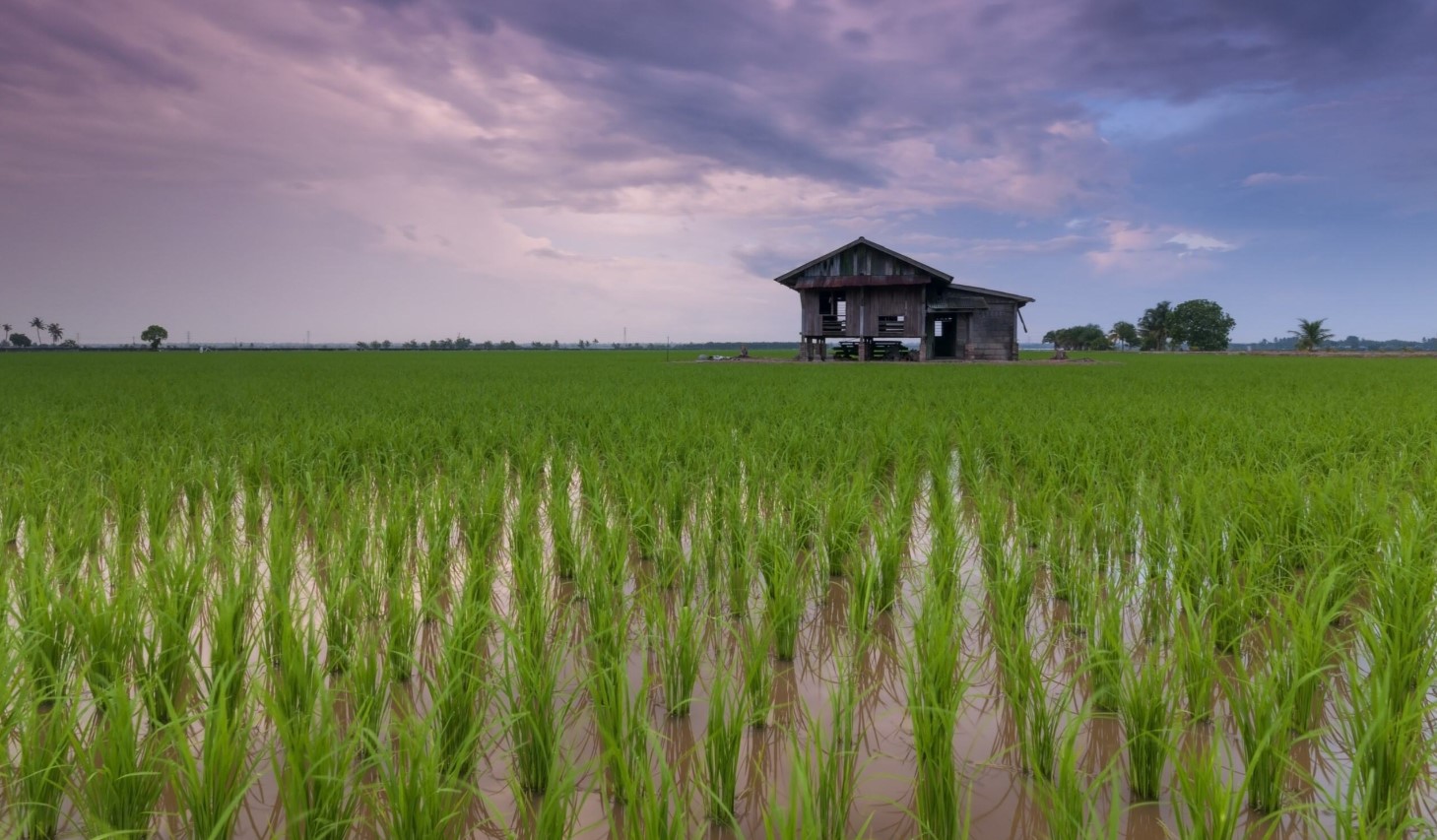 Photo courtesy of IRRI and WorldFish under the CGIAR Initiative on Asian Mega-Deltas
Ultimately, a strong sense of partnership will be essential to ensuring the region’s food security and improving long-term rice productivity.
ADB, for example, has helped improve access to financing to defray the significant costs of climate adaptation through a range of initiatives, such as its ASEAN Catalytic Green Finance Facility.
Ultimately, a strong sense of partnership will be essential to ensuring the region’s food security and improving long-term rice productivity.
“Climate change is a global problem, so climate adaptation has to be a global effort,” says Mr Zhang.
Produced by EI Studios for ADB