
Climate change affecting algae in N.W.T.'s Great Bear Lake, study says
Published on Jun. 8, 2026, 11:49 PM
Researchers say it’s too early to determine potential impacts on fish and other species
The algae population in the N.W.T.’s Great Bear Lake has changed significantly since the turn of the century due to climate change, a new study suggests.
But one of the co-authors says more research is needed to figure out what it means for the creatures who eat the algae and for the food chain at large.
The study, published this month in the Proceedings of the National Academy of Sciences (PNAS) journal, says the number of ice-free days and rising air temperatures have contributed to a “rapid algal community restructuring” in large northern lakes such as Great Bear.
“There’ll be winners and losers here,” said John Smol, a biology professor at Queen’s University and co-director of the Paleoecological Environmental Assessment and Research Lab (PEARL).
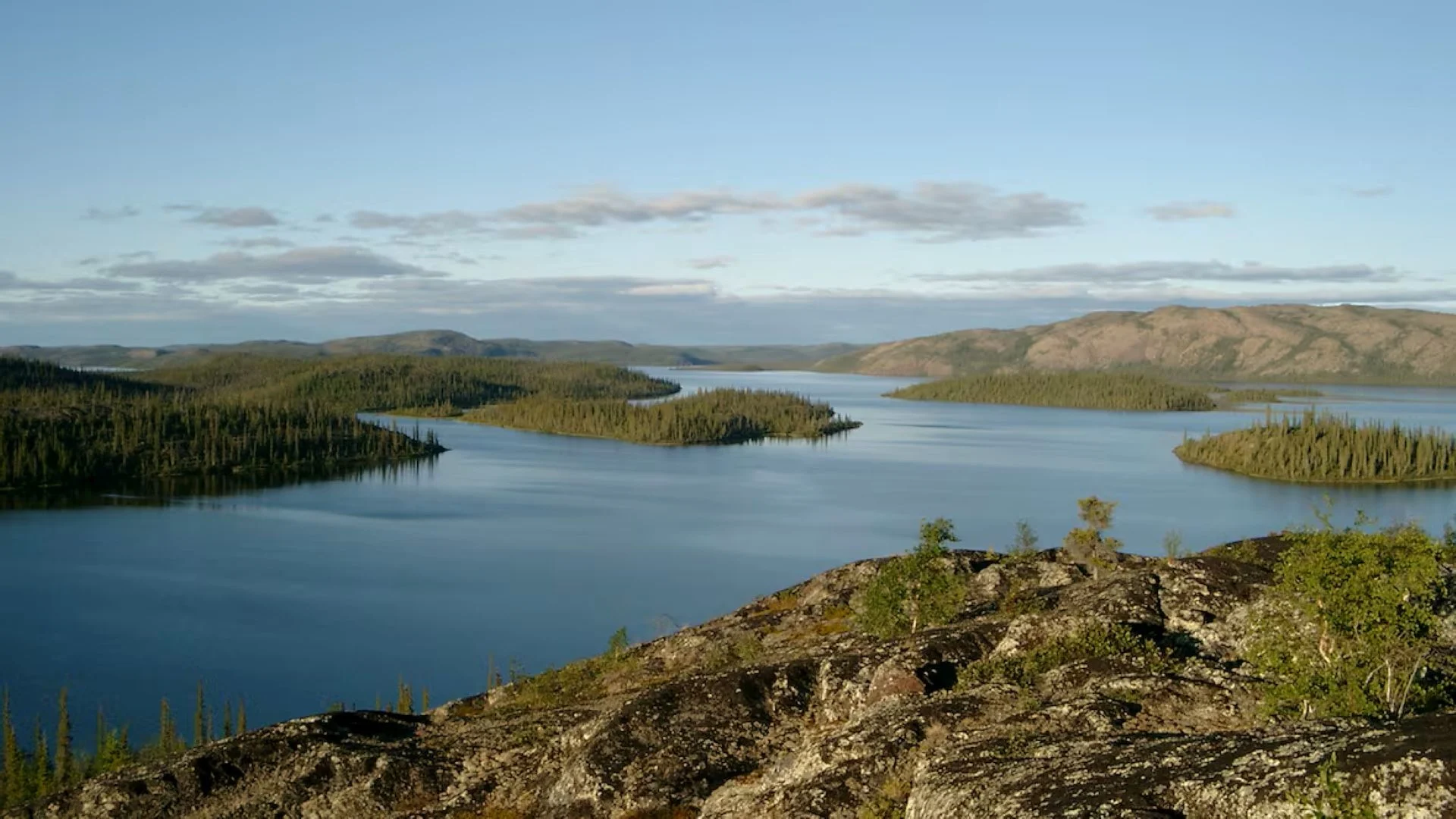
Great Bear Lake photographed by one of the study authors. Researchers examined layers of sediment in core samples taken from different parts of the lake to understand how the environment had changed over different periods. (Kimberly L. Howland/Fisheries and Oceans Canada)
“Because there’s less ice cover, there should be more algae in total — more food in total … The type of algae has changed significantly, and that’s where we’re not sure.”