
Chocolate Makers Could Alter Your Favorite Easter Candy Recipe, As The Cocoa Industry Enters Uncharted Territory
Why Your Easter Chocolate May Taste Different This Year
Chocolate bunnies and peanut butter eggs are Easter staples, but this year, you may notice something different hiding in those plastic eggs.
Everything from higher prices to subtle changes in taste and texture. Yes, climate change is sending the global cocoa supply into uncharted territory, and it’s having an impact on everything from chocolate pricing to the recipes themselves.
Climate Change Is Hitting Cocoa Industry Hard
Cocoa prices have surged to record highs over the past year, driven largely by weather extremes in West Africa, where about 70% of the world’s cocoa is grown. Countries like Ivory Coast and Ghana have been hit by a combination of intense rainfall, disease and periods of unusual heat, all conditions that scientists say are becoming more likely in a warming climate.
In 2024, limited supply and greater demand caused prices to jump from $2,000-3,000 per ton to $12,000. Prices have come down again, but that decline is unlikely to show up at your store because this year’s candy was made months ago.
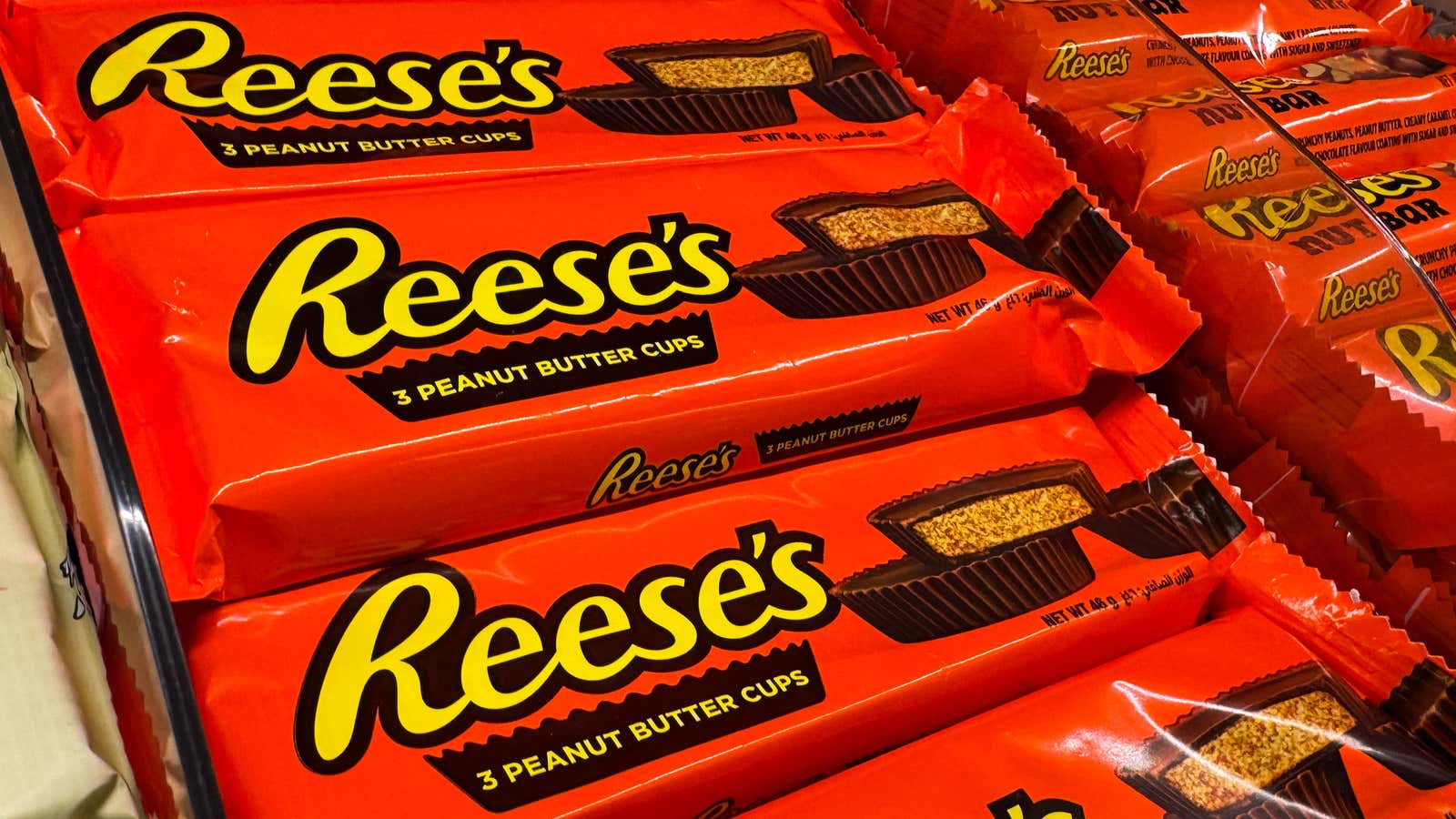
Hershey’s is being accused of altering its chocolate recipe by the grandson of the Reese’s Peanut Butter Cup inventor.
(Getty)
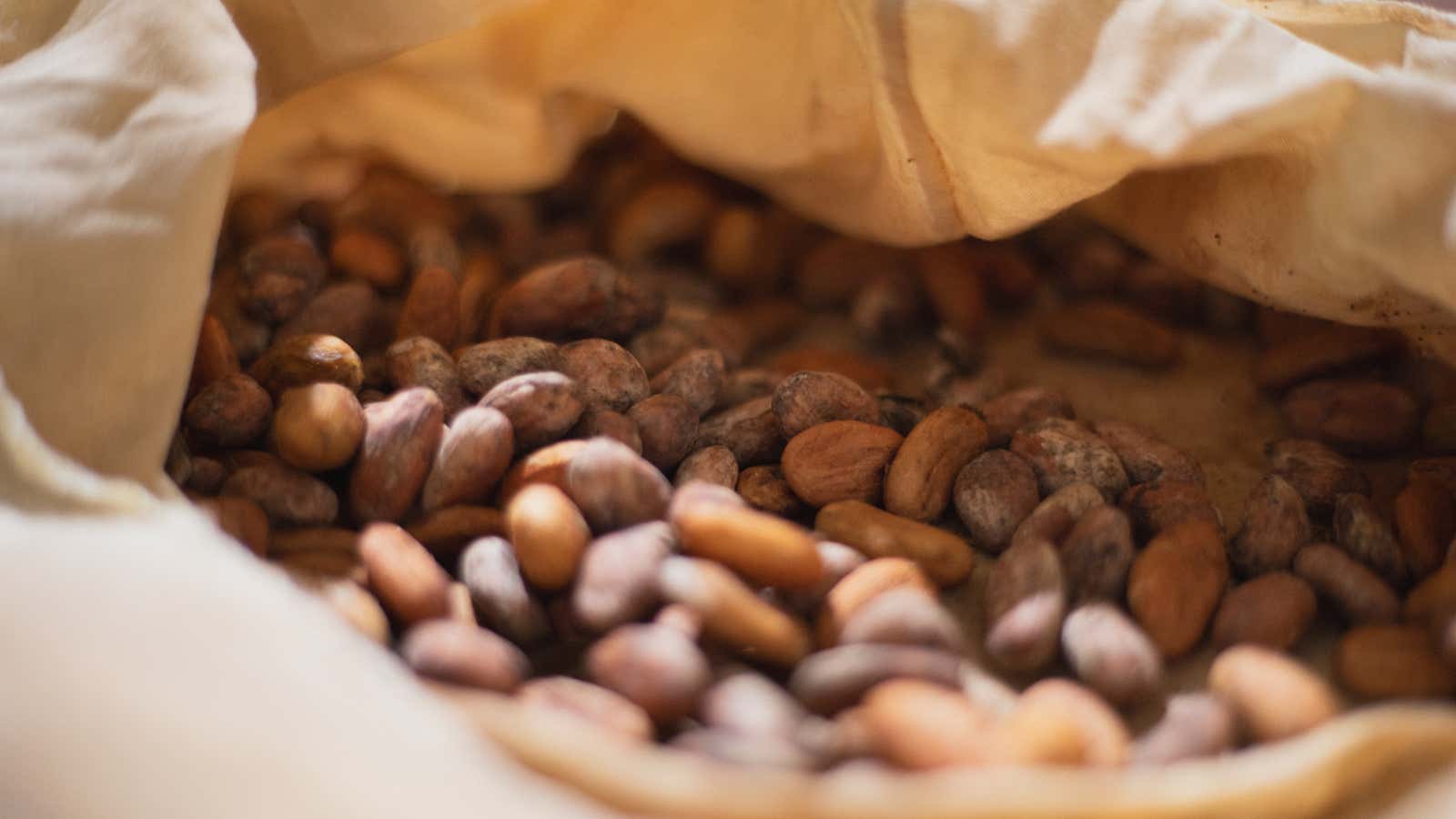
Heavy rains have caused fungal diseases such as black pod to spread, while extreme temperatures and shifting rainfall patterns have put stress on the cocoa trees. The result: lower yields and tighter global supplies, just as chocolate candy season demands hop higher ahead of Easter.
Even Hershey has acknowledged the strain. The company’s director of strategic sourcing, Mark Taylor, issued a statement on their website stating, “In my years in this industry, I’ve never witnessed a cocoa market quite like the one we’re experiencing today.”
The statement notes the challenges posed by soaring costs and constrained supply, saying they are having to “find creative ways to manage costs.”
Is Your Favorite Chocolate Bar Even Chocolate Anymore?
The issue went viral after the grandson of the inventor of the Reese’s Peanut Butter Cup called Hershey out for altering the recipe after noticing differences in the taste and texture.
The open letter asks, “How does The Hershey Company continue to position REESE’S as its flagship brand, a symbol of trust, quality and leadership, while quietly replacing the very ingredients (Milk Chocolate + Peanut Butter) that built REESE’S trust in the first place?”
Cocoa farmers are struggling across the world as climate change is making it harder for a successful cocoa crop.
(Getty)
Hershey, which bought Reese’s in 1963, has acknowledged some changes to recipes for Reese’s candies but says the peanut butter cups remain the same.
“As we’ve grown and expanded the Reese’s product line, we make product recipe adjustments that allow us to make new shapes, sizes and innovations that Reese’s fans have come to love and ask for, while always protecting the essence of what makes Reese’s unique and special: the perfect combination of chocolate and peanut butter,” the company said.
For example, Reese’s Mini Hearts, a new product released for Valentine’s Day, was made from “chocolate candy and peanut butter crème,” not milk chocolate and peanut butter.
Other companies are also adjusting ingredients.
Some Easter candies and mini versions of popular treats may use less cocoa or substitute vegetable oils in place of cocoa butter, creating what’s known as “compound chocolate.”
These changes don’t affect every product. Core items, like standard chocolate bars or full-size peanut butter eggs, are more likely to stick with traditional recipes. But holiday-specific treats, think foil-wrapped eggs and “chocolate” bunnies, are more likely to be made with less chocolate because they’re produced in large seasonal batches that offer more flexibility in ingredients.
For consumers, the difference may show up as a slightly different melt, texture or flavor.
Is It Chocolate? Check The Label
Labels can also offer clues. Products labeled “milk chocolate” must meet specific standards, while terms like “chocolatey” or “candy coating” can indicate substitutes. This is something you’ll want to keep an eye on while filling those Easter baskets.
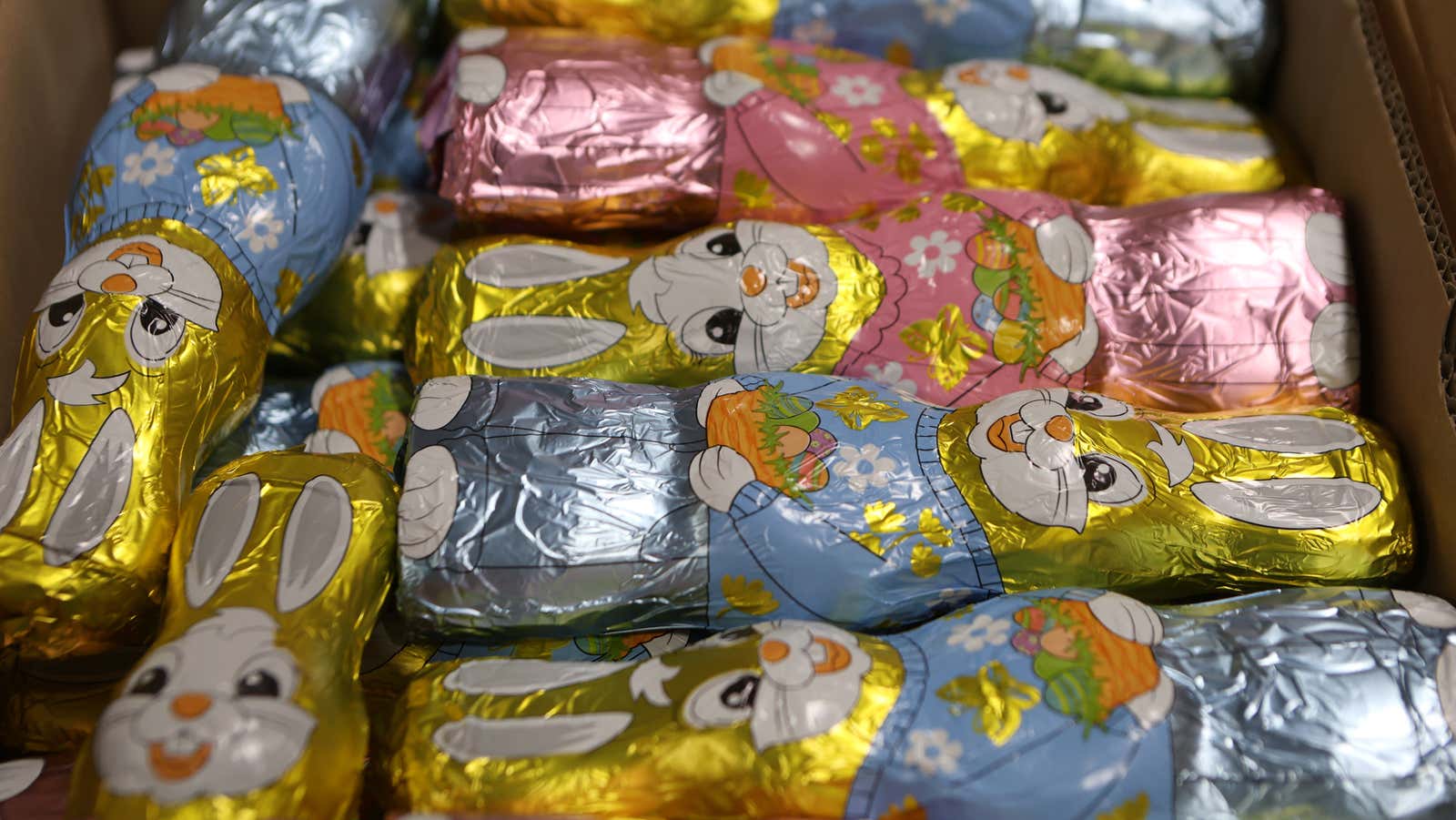
Easter candy is getting hit hard with surging cocoa prices due to climate change.
(Getty Images)
The bigger picture, though, extends way beyond Easter.
Climate scientists warn that cocoa is particularly vulnerable to warming temperatures and shifting rainfall. Cocoa trees require a narrow range of conditions. They like warm but stable temperatures, consistent rainfall and humidity. Even small changes can significantly affect production.
If those trends continue, experts say chocolate could become more expensive and less consistent in quality over time.
Jennifer Gray is a weather and climate writer for weather.com. She has been covering some of the world’s biggest weather and climate stories for the last two decades.