
China’s fusion reactor aims for 5x energy gain by end of 2027
The Burning Plasma Experimental Superconducting Tokamak (BEST) nuclear fusion reactor being built in Heifei, China, is in the final phase of its assembly and on track for completion by 2027. When ready, it aims to produce five times the energy it uses, media reports said.
As the world moves towards cleaner sources of energy, countries are racing to build next-generation sources of power that can meet our energy demands without more emissions. Nuclear fusion technology is a viable alternative as it replicates the process of energy generation of stars, but does not release any planet-warming gases.
The technology has been in the works for decades, but has picked up steam after the US National Ignition Facility (NIF) demonstrated that a net energy gain was feasible in this process. To scale up how much energy can be produced from a nuclear fusion reaction, countries are working to build larger fusion energy plants where the technology and its commercial viability can be tested further.
BEST Fusion Reactor
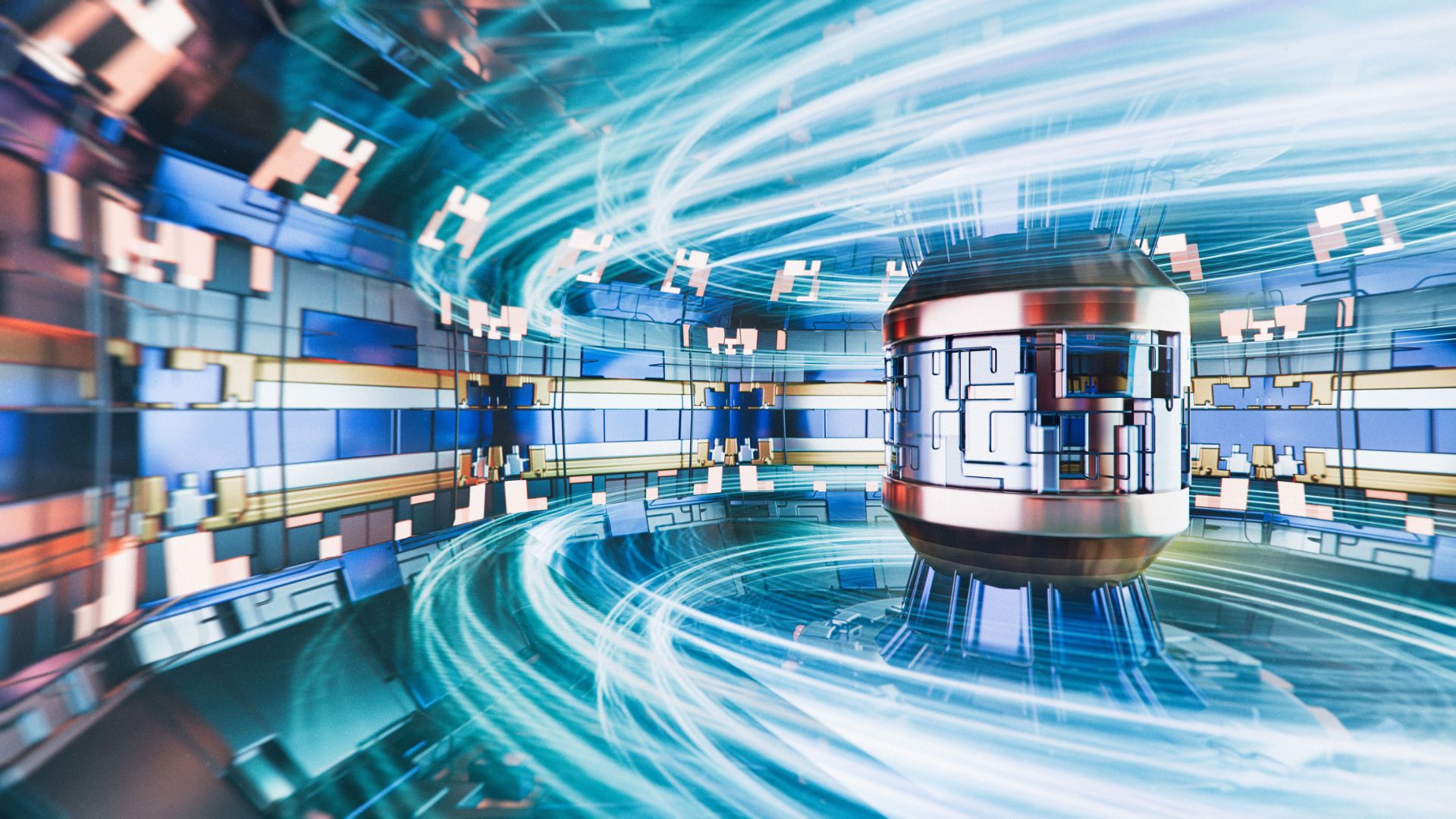
The BEST fusion reactor being built in China follows the popular tokamak design, which uses a doughnut-shaped vessel to work with plasma heated to a temperature much higher than the surface of the Sun.
At these temperatures, hydrogen isotopes fuse to make a helium molecule, and large amounts of energy that can be harnessed. Compared to nuclear fission, the fusion process produces far lesser radioactive waste, which is also easier to manage.
While most fusion reactors are designed for experimentation in the technology, the BEST reactor aims to allow scientists to carry out real-world energy-producing reactions to achieve net energy gain.
It is an intermediate step between China’s Experimental Advanced Superconducting Tokamak (EAST), a first-generation tokamak reactor, and the Chinese Fusion Engineering Demo Reactor (CFEDR), the next-scale demonstrator for future fusion plants.
Competing with the US at ‘China speed’
The assembly of the BEST reactor involves tens of thousands of components, weighing around 6,000 tonnes. The reactor size is slightly larger than the SPARC fusion facility built by the Commonwealth Fusion Systems, an MIT spin-off in the US.
Although using less powerful magnets than the SPARC system, the BEST reactor aims to generate five times more energy than is being put in. In comparison, SPARC only aims to double the energy it will use to power its systems.
More importantly, China is aggressively pushing for the BEST reactor to be ready in record time. SPARC’s construction began as early as 2021 and aims for operations to begin in 2027.
Plans for the construction of the BEST reactor also began around the same time, but have picked up pace. Within two years, the Asian giant has completed the civil construction, and system components are also reaching operational readiness.
Installation precision and cumulative error must be within the millimeter range for the tokamak core assembly, experts engaged with the project told local media. The fully assembled reactor is scheduled for delivery by November 2027.
Whether China beats the US with better energy returns from its fusion tech remains to be seen.