
Canada's U.S. Travel Warning Draws Opposite Reactions From America's Interior Department
Climate change-related concerns from the Canadian government are facing mixed reactions in the United States. In fact, Americans are now retreating from Canadians on climate change issues.
The same holds true for the U.S. Interior Department as crackdowns continue across national parks, with many displays and signs linked to climate change being removed.
Regarding the advisory, recent data shows Canadians and Americans are further apart than ever before. Here’s a closer look at Canada’s climate change advisory for the United States and how the Interior Department has responded since the Trump administration took office.
Global Affairs Canada Has A Climate Change Warning For The United States
Global Affairs Canada has revised many of its travel advisories for the United States, particularly since U.S. President Donald Trump took office. However, one advisory that has remained the same is Canada’s warning about climate change in the United States.
The advisory can be found under the “Natural disasters and climate” section.
“Climate change is affecting the United States. Extreme and unusual weather events are becoming more frequent and may affect your travel plans. Monitor local media for the latest information,” the warning states.
In Canada, Prime Minister Mark Carney has reinforced the importance of climate change, launching a “new nature strategy to protect Canada’s natural environment.”
Carney said in the past, “The beauty of Canada’s nature – from lakes and forests to mountains and coastlines – is central to our history, our identity, and our way of life. As Canadians, we have the responsibility to protect the lands and waters we have inherited.”
“With unprecedented conservation efforts, the power of modern technology, and the wisdom of Indigenous traditions, our new nature strategy will protect what matters most and build a stronger, more sustainable Canada.”
Climate change is at the forefront in Canada. However, despite its advisory for the United States, the current U.S. government has taken a different approach.
The Interior Department, in particular, has been ordered to remove many signs across national parks related to climate change since last year.
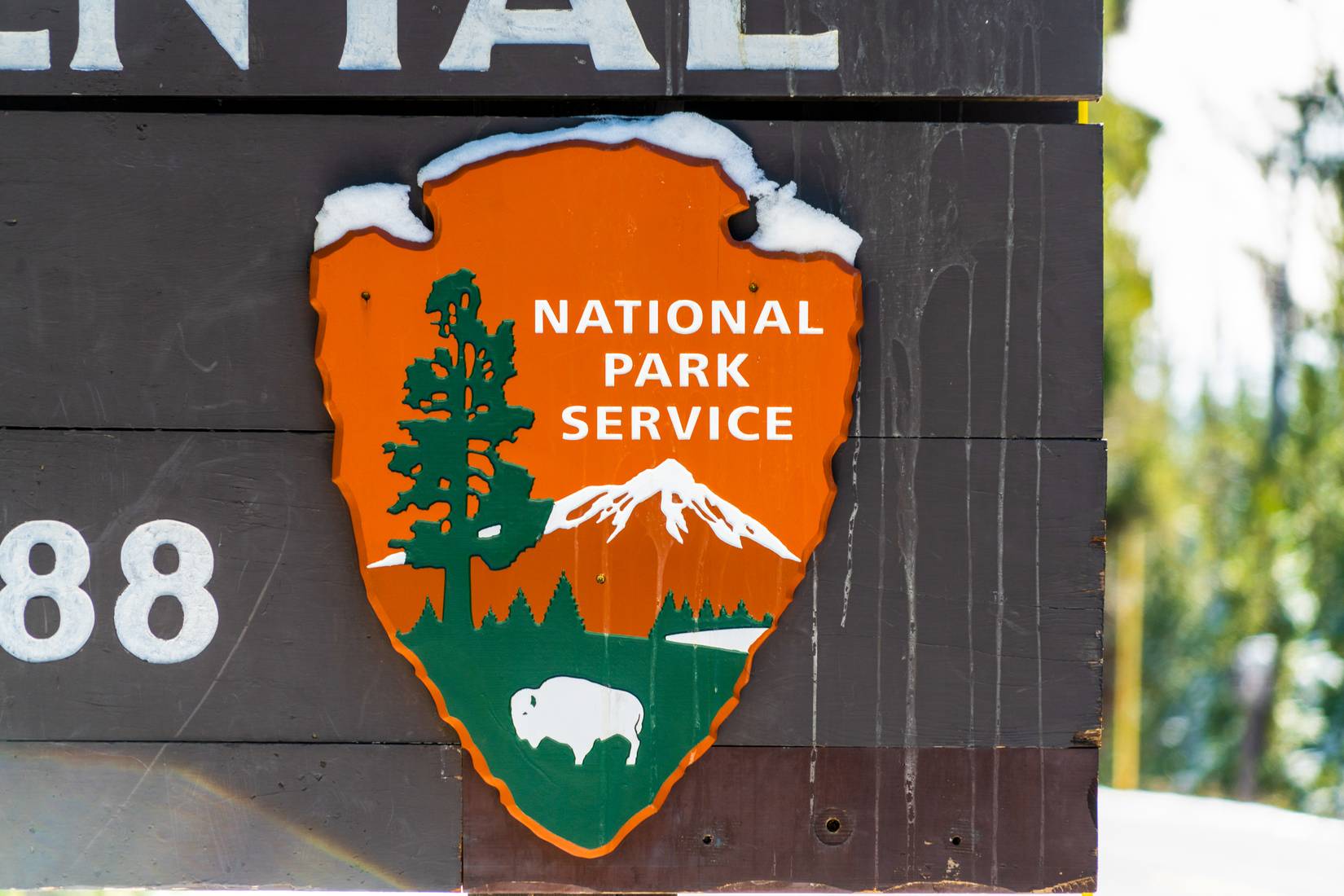
In response to the executive order issued last year on March 27, “Restoring Truth and Sanity to American History,” the Interior Department has cracked down on several climate change-related signs.
The Interior Department says it is taking appropriate action in accordance with the order.
“All federal agencies are to review interpretive materials to ensure accuracy, honesty, and alignment with shared national values. Following completion of the required review, the National Park Service is now taking appropriate action in accordance with the Order,” the Interior Department said in response to recent changes.
Among the changes is a sign on Cadillac Mountain that has been removed, reminding visitors of the damage caused by the weather. The signage encouraged visitors to reduce their carbon footprint.
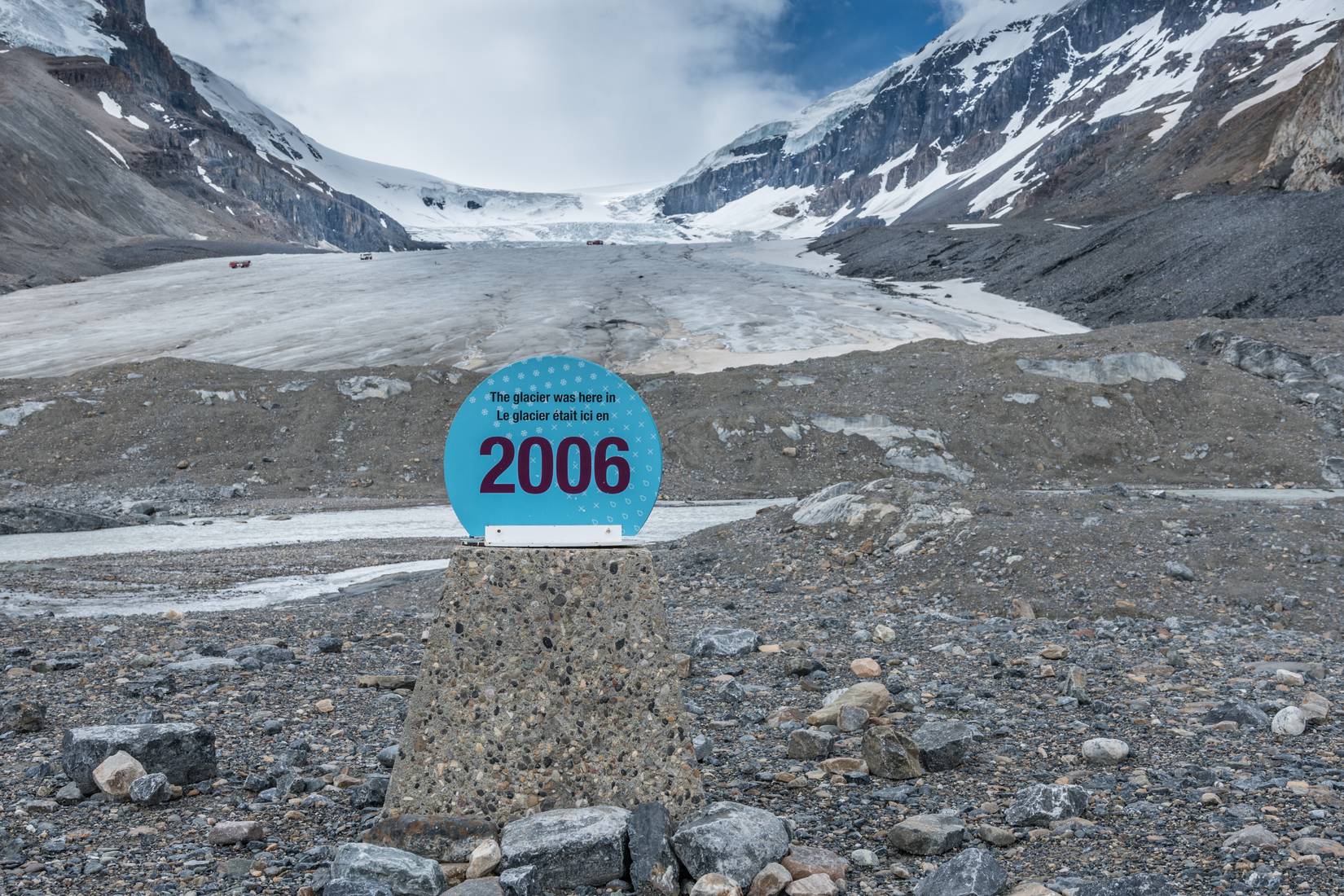
Several items were also removed or are under review at Glacier National Park. The crackdown included banning a brochure featuring an image of a melting glacier. A gift shop sign, also under review, reads, “Climate Change Affects National Parks and the Treasures They Protect.”
Changes to the National Park Service regarding climate change information have also been made.
The changes have caused a stir as recent data shows Canadians and Americans are divided on climate change information.
American And Canadian Views On Climate Change Are Drifting Further Apart
The Research Co. survey has shown a greater divide between Canadians and Americans on climate change. Americans’ perception that climate change is caused by emissions from vehicles and industrial facilities has decreased since 2024.
The survey found that 48% agreed with the statement, down 3% from the last poll. The opposite was true for Canadians, with 63% agreeing with the statement, a 3% increase from the last poll in 2024.
The current point difference between the two countries is the highest it’s ever been.
Research Co. in a statement, “The difference in perceptions of human-made climate change in Canada and the United States has never been as large as it is in 2026.”
The change is also being linked to political affiliations. The polls showed that Democrats in the United States and Liberals in Canada were more likely to believe climate change is man-made.
The opposite held true for American Republicans and Canadian Conservatives. For American Republicans, climate change data shows a steep 34% drop among those who believe it is a man-made issue.
How Canadians And Americans Are Reacting To The Climate Change Divide
Thoughts on the climate change divide have been mixed. For some living in the United States, particularly in Colorado, the issue remains a concern and a prevalent issue in the community.
“Those 52% who don’t believe in climate change must not live here in Colorado, where we’re already wondering where we’ll get enough water. Or more realistically, wondering how to need less water. It’s weird that people think science is a matter of personal opinion, like pineapple on pizza,” Jenny wrote on TheTravel.
|
Reactions To The Climate Change Divide Between Canada And The U.S. |
|---|
|
-“Climate change is real, but it’s a natural occurrence that happens in cycles. No one believes the government and their scientists because they lie constantly.” |
|
-“What this president is doing to our National Parks is predicated on what he believes and IS NOT the truth! I encourage Rangers to keep telling THE TRUTH. We have a lot of work to do to undo the ridiculous rules and mandates that he keeps spewing.” |
|
-“Obviously Canada is clogged with liberals, so you get these extreme views. How do you talk sense to people who love taxes and the snow.” |
|
-“Climate has always changed. Canada’s answer to everything is charge more money, fixes everything in a liberal country.” |
It remains to be seen what the future holds. For now, Canada’s climate change advisory for the U.S. remains intact and unlikely to change, despite shifting views in the United States.