
California Supreme Court Hands Victory to Rooftop Solar Panel Owners
At issue is a 2022 decision by state regulators to reduce by about 75% payments to solar panel owners for excess power. The change was intended to help make bills affordable for all customers while still encouraging the adoption of renewable energy sources. Three environmental groups that brought the lawsuit — the Center for Biological Diversity, The Protect our Communities Foundation, and the Environmental Working Group — argued in the case that the state utility commission’s decision left out crucial considerations around benefits to customers and disadvantaged communities.
“We don’t need [to be in] an affordability crisis if we have more local generation,” Roger Lin, senior attorney fro the Center for Biological Diversity, said.
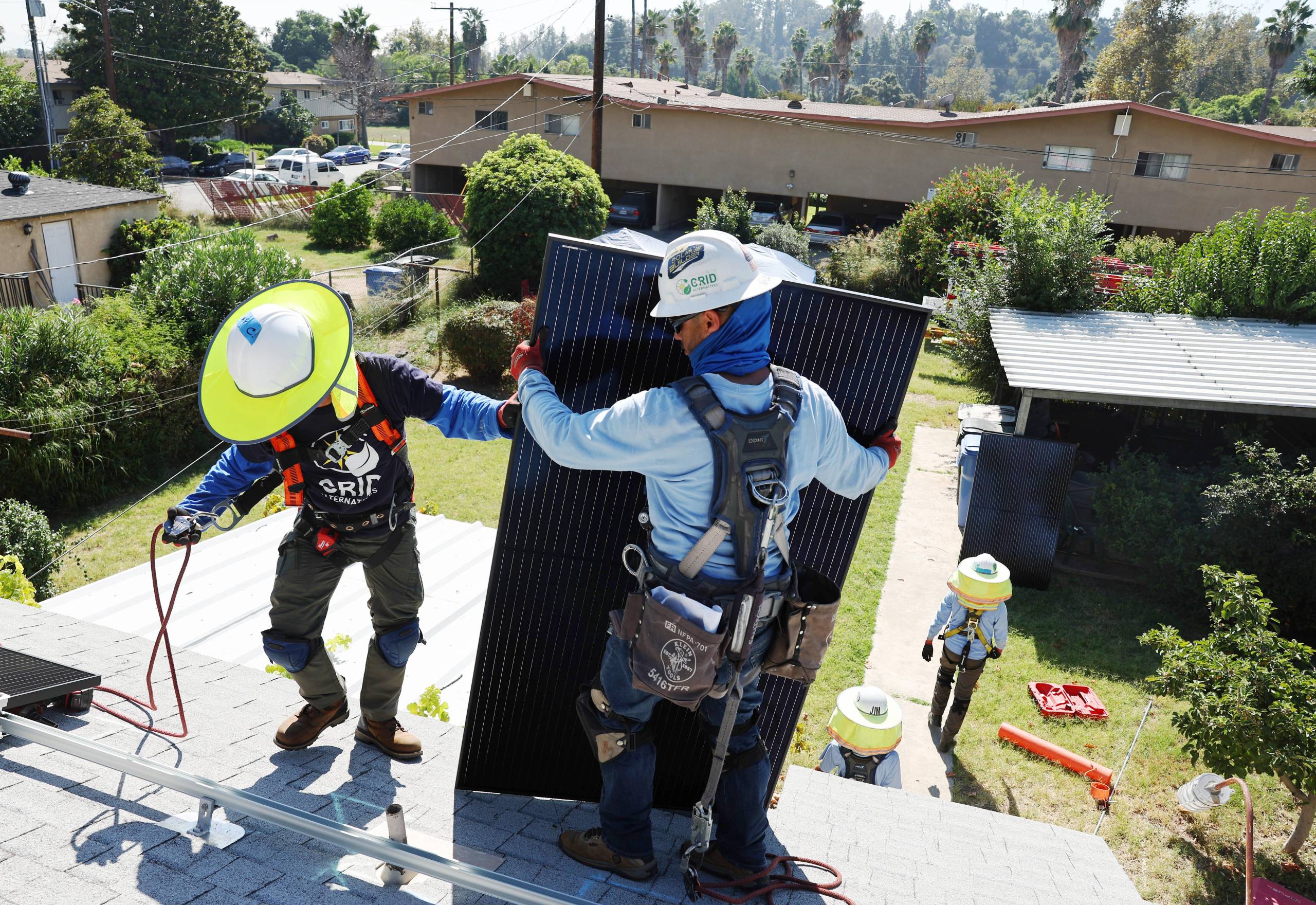
Utilities pay solar panel owners for their excess power under a program known as “net energy metering.” In previous iterations of the program – “NEM 1.0” and “NEM 2.0” – utilities paid solar customers a retail rate for their extra energy, which is the same price the utilities charge other customers when they resell that energy. This was changed under the current iteration of the program – “NEM 3.0” – which instead gives customers the “avoided cost,” which is how much utilities save by not buying that power on the wholesale market.
Customers who joined the program after mid-April 2023 receive the new rate, while customers under the prior two versions will continue to receive the old rate for the duration of their contracts, which is typically about 20 years.
Utility commissioners ruled in favor of power companies, which argued that older versions of the program created an unfair cost burden on customers. Those without rooftop solar, utilities said, have to pay more than their peers for routine maintenance to the grid. The groups bringing the lawsuit said this idea is overblown.