
California Lawmakers Reach Last-Minute Deals on Climate, Energy
“We’re at this point where we are paying for the effects of climate change, while we’re also trying to transition to the new future we want to see,” said Merrian Borgeson, a policy expert from the Natural Resources Defense Council. “But I think we’re standing up to the challenge.”
While many environmentalists praised the agreements for advancing the state’s climate goals with an eye on affordability, environmental justice and consumer advocates slammed many of the provisions as a sellout to the oil and gas industry. Numerous participants in the negotiations agreed they had rarely seen a collection of high-stakes climate policies come together in such a whirlwind of last-minute negotiations.
“This was a wretched process,” said Katie Valenzuela, a consultant for environmental justice groups. “This was the most closed-door, hardest-to-influence process from a community perspective that I’ve ever seen.”
The state Senate and Assembly will not be able to vote on the bills until Saturday morning, due to a state rule requiring all bills to be in print for 72 hours before a final vote. Lawmakers will need to extend the session, currently set to recess Friday at midnight.
Cap-and-trade extension
After months of talks, lawmakers reached an agreement on an extension of cap-and-trade — the landmark program designed to reduce greenhouse gas emissions in California.
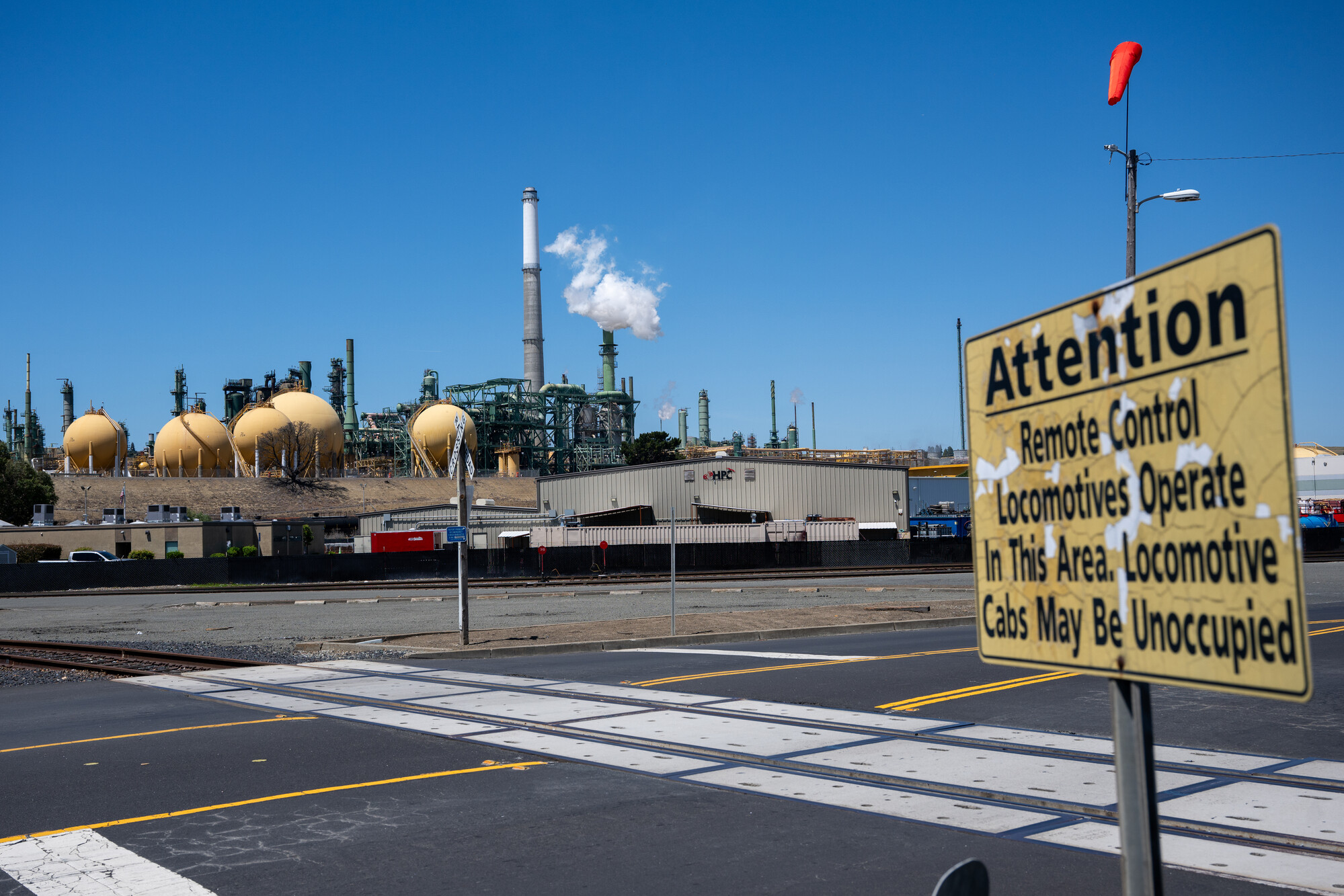
The initiative, renamed cap-and-invest, sets a limit on the planet-warming pollution that refineries, power plants and other factories can release — a cap that is lowered every year. Companies can either reduce their emissions or bid on allowances that give them permission to pollute. The auctions for those allowances raise billions of dollars for the state every year.
Assembly Bill 1207 would extend cap-and-invest through 2045, sending a signal of stability to the carbon markets that supporters hope will increase auction returns.
“It is extended in a manner that will help ensure we actually meet our 2045 [greenhouse gas reduction] goals,” said Katelyn Roedner Sutter, California state director for the Environmental Defense Fund. “It addresses affordability concerns and it maintains California as a climate leader.”
AB 1207 shifts the California Climate Credit to summer months, when higher air conditioning use causes electricity bills to spike. A companion measure, Senate Bill 840, detailed how the revenues from carbon auctions will be spent — including setting aside $1 billion a year for the state’s high-speed rail system.
Environmental justice advocates said capping statewide emissions does little for residents living near refineries and other pollution hotspots. A program created during the last cap-and-trade reauthorization in 2017 was supposed to reduce local air pollution through community-designed plans, but has been criticized for having little teeth.
Valenzuela said a proposal to give the local pollution reduction plans more staying power was left out of the final agreement.
“Disappointing doesn’t honestly feel like it describes it,” she said. “This is a terrible outcome for our communities and we are incredibly frustrated.”
New incentives for the oil industry
Environmental justice groups were further incensed by Senate Bill 237.
The bill aims to loosen some of California’s environmental regulations to hedge against rising gasoline prices and respond to the planned closure of two oil refineries in the state.
California is the only state in the nation that requires motorists to shift to a lower-emissions fuel in the summer. The state’s fuel standard has reduced smog and improved air quality for decades, but consumers continue to pay higher prices for it.
The bill, if passed, would require the Governor to suspend the higher fuel standard whenever prices spike for more than 30 days, or appear likely to do so.