
Bay Area Climate Stories We’re Watching This Year
California’s next governor
The race to replace Gov. Gavin Newsom is in full swing. Newsom’s administration has touted his climate leadership, which has led to California’s historic build-out of battery storage and the landmark program designed to reduce greenhouse gas emissions, newly renamed cap-and-invest — in California.
But some environmental advocates and experts are second-guessing his climate record, including his support of legislation streamlining approval of new oil and gas wells, and not advocating for legislation that aims to hold industries accountable for fossil fuel-driven climate disasters.
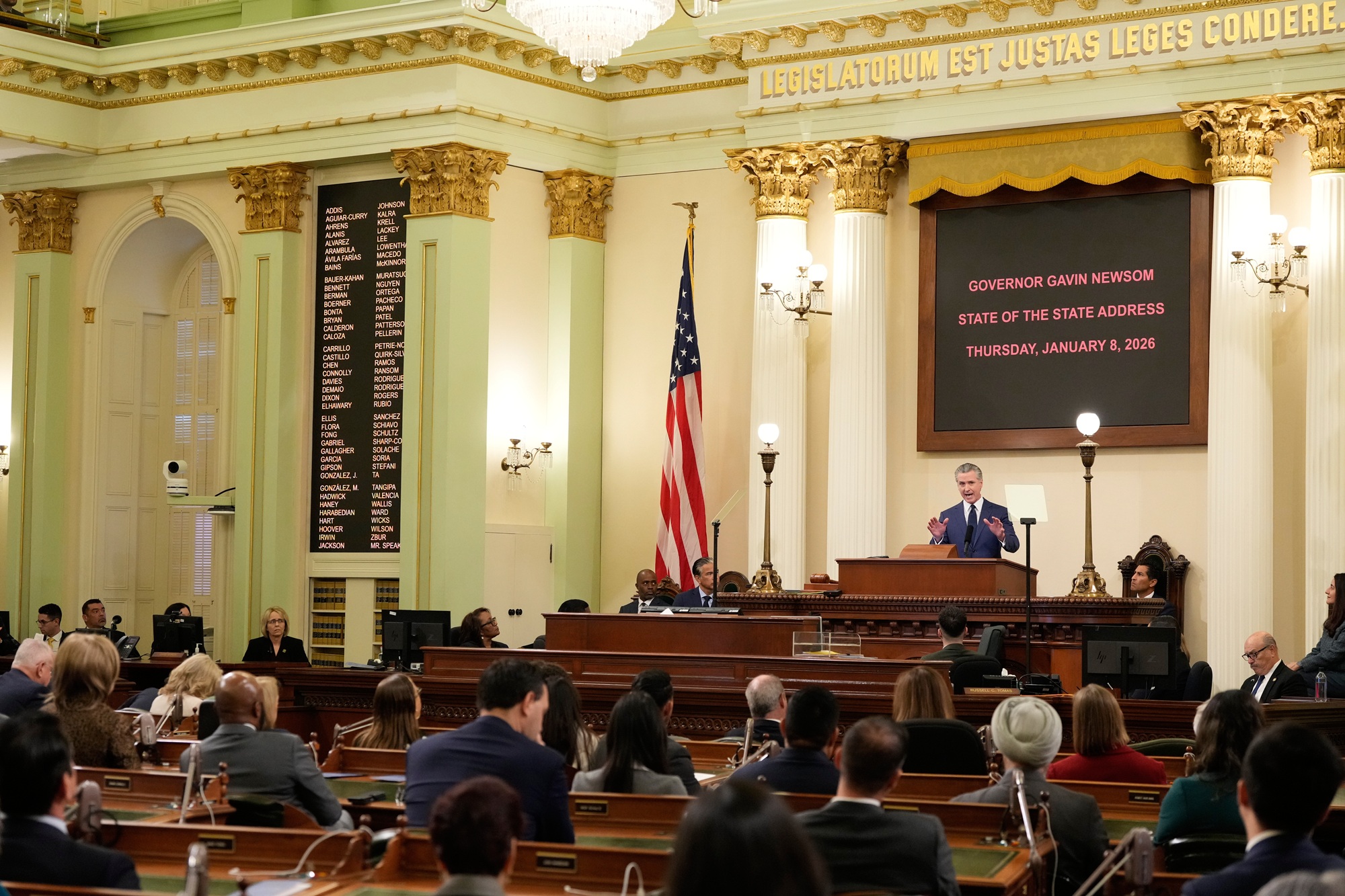
Whoever replaces him will have the opportunity to move the state forward on climate issues — wildfires, energy, drought, sea level rise, and curbing fossil fuels.
Some candidates proposed breaking up California’s investor-owned utilities like PG&E, an idea that’s gaining traction after a blackout across San Francisco lasted for several days and impacted thousands of people around Christmas.
(Electricity) bills bills bills
Residential electricity rates for Pacific Gas and Electric, the backbone of the Bay Area’s energy ecosystem, increased by 47% from 2019 to 2023, not adjusting for inflation, according to the state’s Legislative Analyst’s Office.
Much of that increase is a result of more intense and frequent wildfires. Customers are paying for both past disasters and preparing the grid for future calamities.
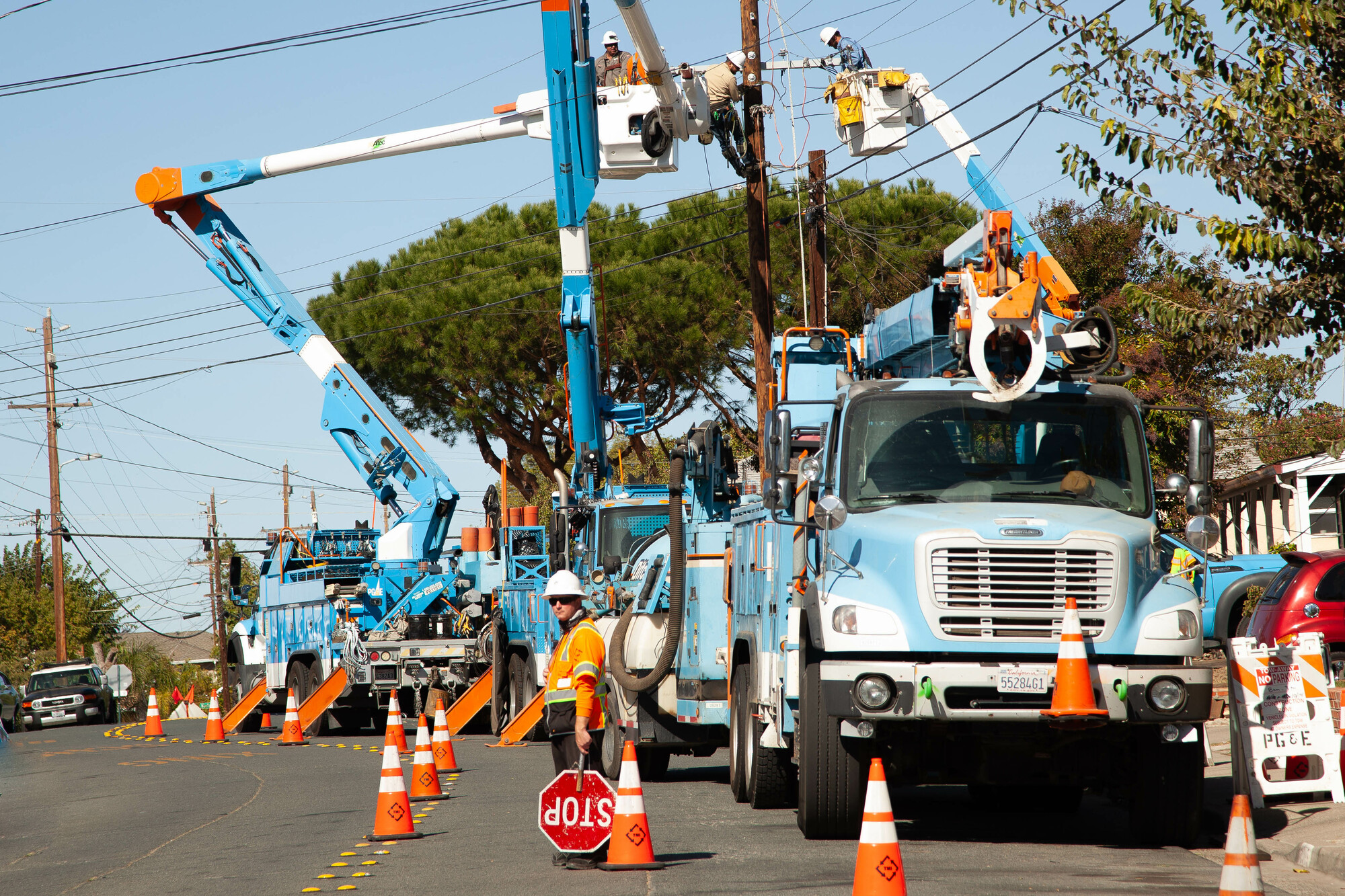
The increase in electricity costs presents more than just an affordability challenge; it conflicts with state goals to move away from natural gas in order to reduce emissions. It’s a big ask to encourage people to swap out a gas furnace for an electric heat pump if it means a higher overall utility bill.
This year, we’ll be watching how legislators, regulators and utilities propose ways to lasso runaway electricity bills.
Wildfires and home insurance
Climate-fueled disasters are not only boosting energy prices, but they’re causing home insurance costs to soar.
The answer for stabilizing these costs can’t continually be higher and higher price tags: eventually, those hikes will outpace our ability to pay. At some point, Californians will need to meaningfully reduce the risk from wildfires.
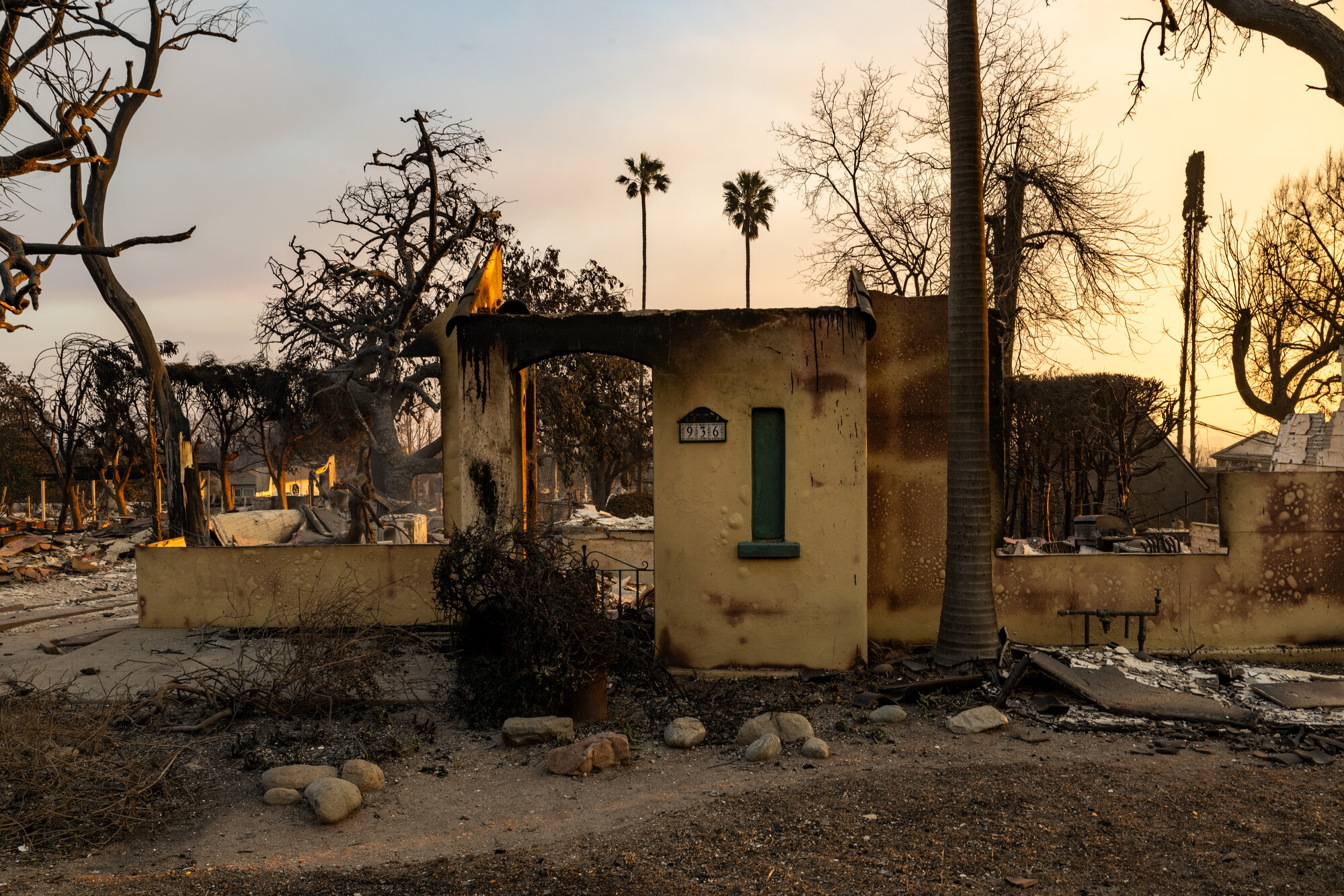
Strategies like a defensible space code stating that nothing easily flammable should be within 5 feet of the perimeter of a house, known as “Zone 0,” are meant to bend down that climate risk curve, yet there is plenty of popular opposition to this.
What will happen this year, as places like Berkeley, where certain neighborhoods have decided to be early adopters?
Energy innovation
2025 saw an explosion of interest around energy innovation to bring down electricity bills, like a technology called plug-in solar.
The systems are small, portable solar arrays — with just a few panels — that anyone can set up and plug right into a standard outlet. They promise minimal upfront costs and time, with the benefit of immediately offsetting your electricity bill.
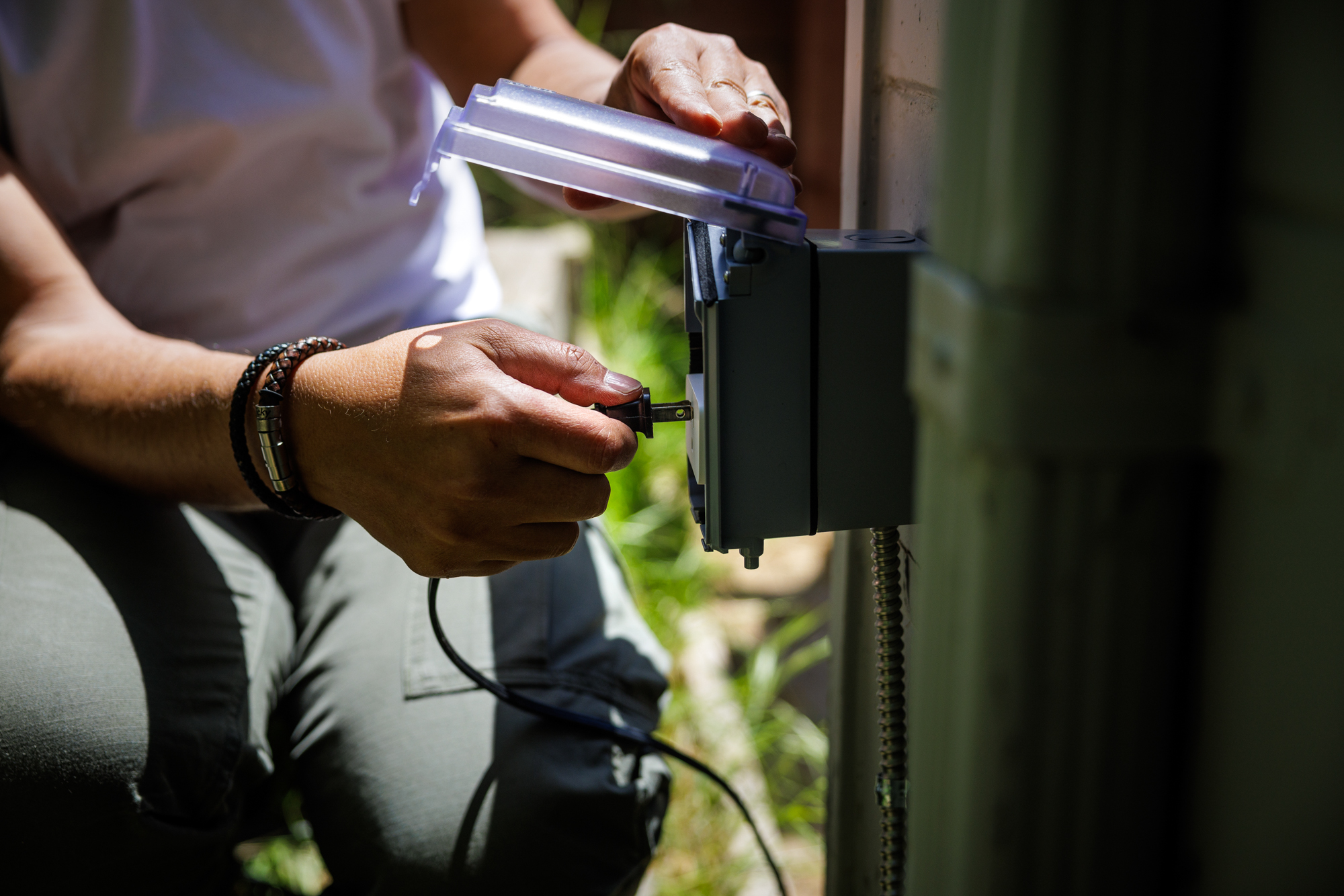
While consumers are eager to adopt these kinds of technologies, regulation and safety standards aren’t there just yet. In California, these systems must be registered with a customer’s utility through the same process as rooftop solar, which adds time and cost to the process.
States like Utah have passed legislation allowing the use of this technology once a safety standard has been created and the system meets those regulations. Similar legislation has been introduced in California.
Rising tides
Around San Francisco Bay, a story is unfolding on the rim of the shoreline. A regional plan to develop protections against rising seas for every city, county and open space along the shoreline will be in full motion this year.
Staff at the state agency running the plan have a big feat ahead of them: to convince and guide each of the more than 50 cities and counties that line the bay to develop plans to address sea level rise.
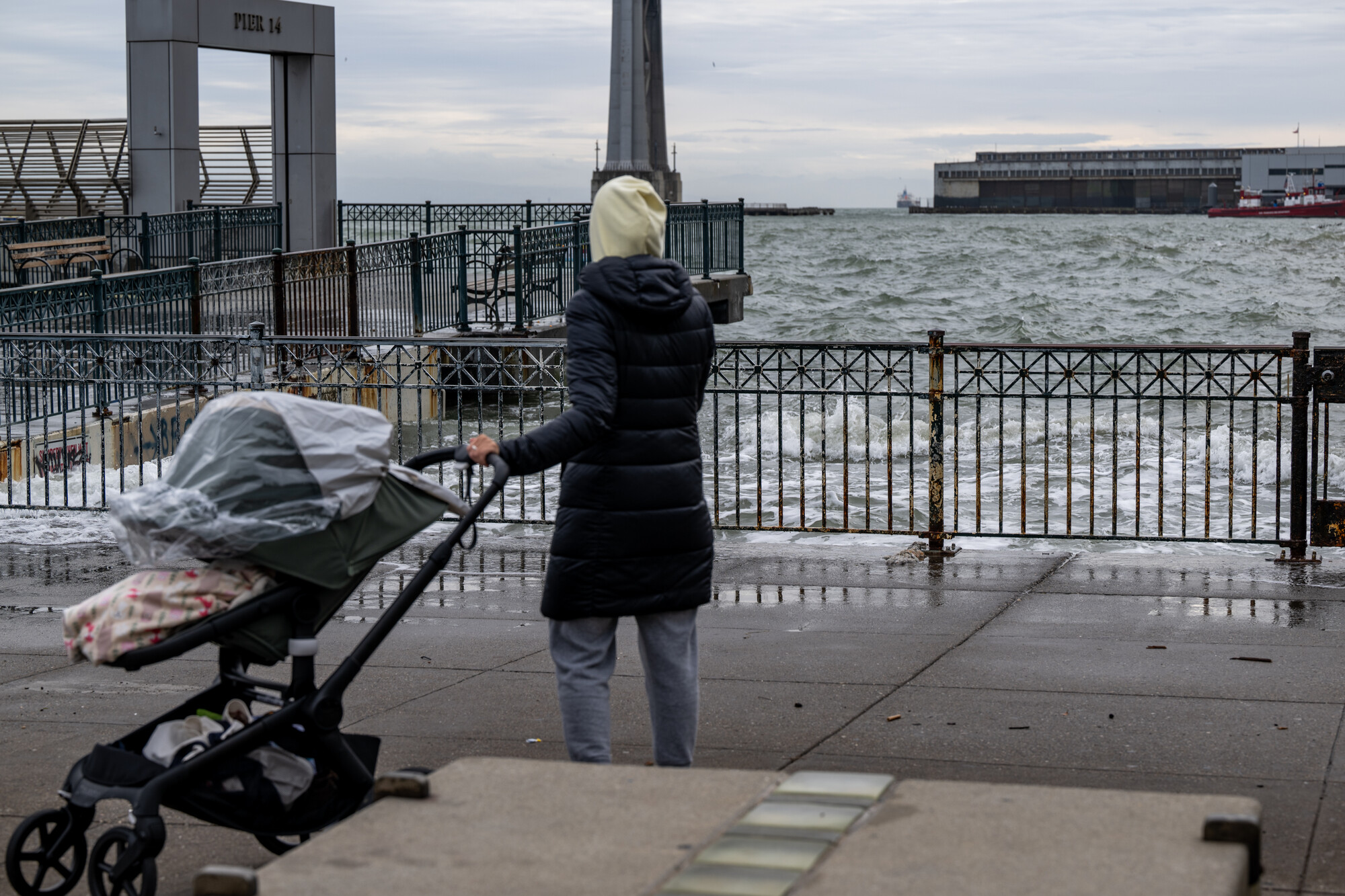
Cities are already signing on, and more could soon follow, including San Francisco.
State scientists predict more than a foot of bay rise by 2050 and over 6 feet by the end of the century in the worst case. This could threaten property and safety, with the cost of inaction exceeding $230 billion — making it a critical issue for the Bay Area’s future.
Climate on the local ballot
San Franciscans won’t just vote on climate at the state level: environmental issues will be on the ballot locally, too.
The seat for San Francisco’s District 10 supervisor representing the Bayview-Hunters Point neighborhood will be open as Shamann Walton terms out.
For decades, the neighborhood has dealt with environmental pollution from the cleanup of Hunters Point Naval Shipyard. Whoever takes Walton’s place will inherit the issue, as scientists are increasingly concerned that the pollution may spread as rising seas push groundwater and buried contamination up.