
Are More Fuel-Efficient Aircraft Increasing Global Warming?
It’s no secret that the world is facing a climate crisis, and that businesses are looking at ways to limit their carbon footprint, in a bid to help lower greenhouse gas emissions amid the harsh reality of climate change. However, some researchers believe that newer, more fuel-efficient aircraft could be contributing more to global warming than older series aircraft. Around 65% of jets cruise at altitudes between 30,000 to 39,000 feet, a prime location for aircraft contrails to occur.
The aviation industry is under immense pressure to reduce its current carbon footprint, which has seen airlines and their aircraft manufacturers invest billions into fuel-efficient aircraft, which are promised to have less fuel burn, and as a result, emit far less greenhouse gases per passenger mile. The Boeing 787 and Airbus A350 are the poster children for such initiatives, with promises to help reduce operating costs and lower emissions that he airline may attempt to offset.
Contributing More, Not Less

Recent research has identified that modern aircraft could inadvertently be adding more to global warming than older, less efficient aircraft. This is not due to their carbon emissions, but due to the contrail-induced cirrus clouds that the aircraft produce. The aviation industry has previously set lofty ambitions for environmental targets, promising to reduce emissions without fully discovering the technology required to hit these goals. Some carriers have set a 2050 date to cut their emissions footprint completely. However, the majority of this has so far been done by using recycled oils, carbon offsets, and adjusting their onboard offerings to limit waste.
Contrail-induced cirrus clouds are high-altitude clouds that are composed of ice crystals, produced from the condensation of freezing water vapor that comes from an aircraft’s exhaust. These clouds result in contrails that spread out and evolve into cirrus clouds in unique climatic conditions.
The formation is done by water vapor that is present in the aircraft’s exhaust, which mixes with cold, humid air and freezes into crystals. The contrails are the visible streaks that people below can spot in the clouds, which are left behind the airplane. These are seen when aircraft are flying at very high altitudes. Around 10% of all contrail production, known as persistent contrails, can remain for hours after the flight has passed. Aircraft fly at high altitudes such as 30,000 to 39,000 feet, as this is where the air is thin, but also where the air is more humid, resulting in contrails.
Impact On The World’s Climate
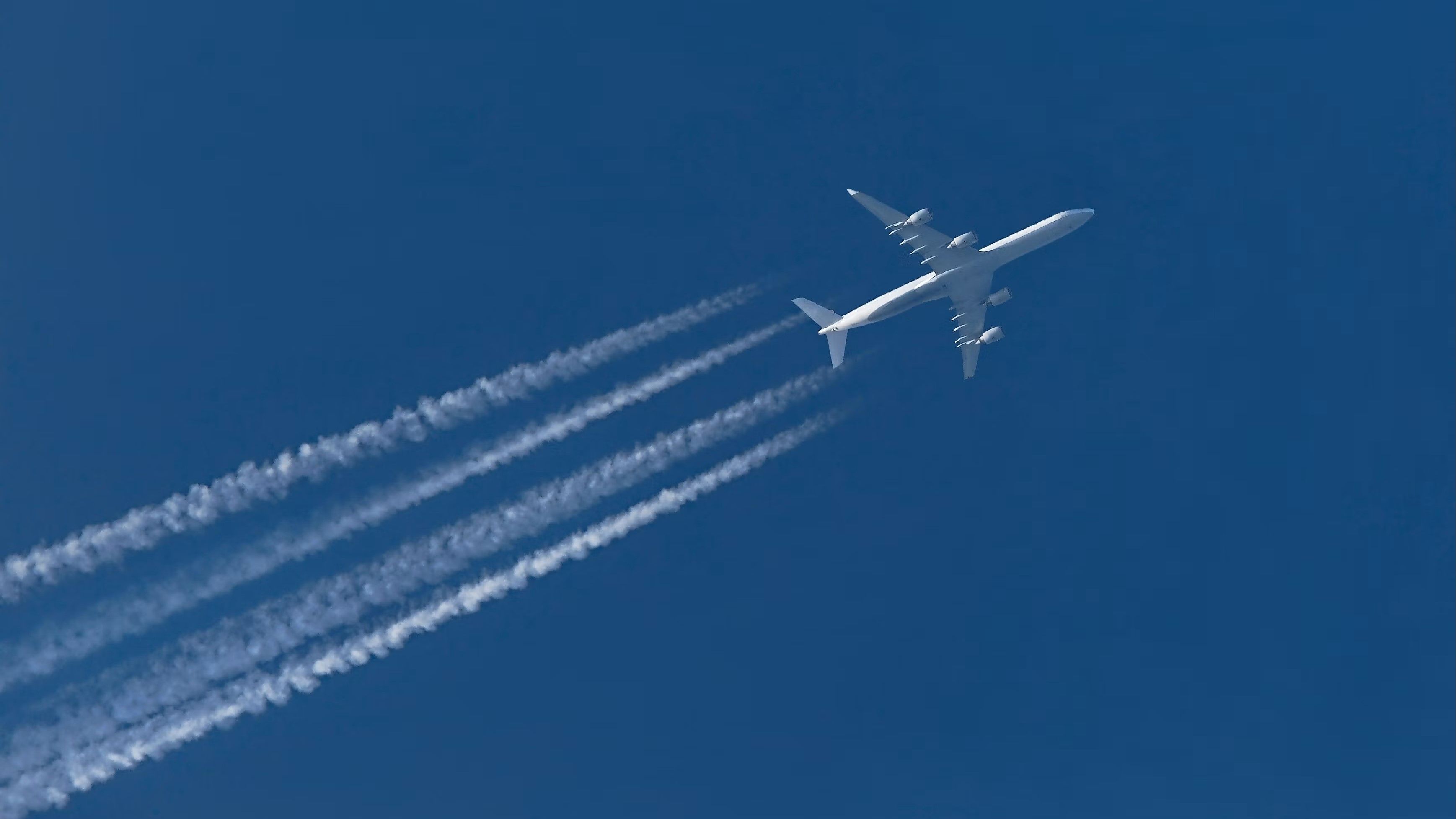
Both contrail cirrus and natural cirrus trails are composed of ice crystals and have radiative effects on our world’s climate. This is due to the impact on the quantity of sunlight that can reach the Earth’s surface versus how much heat is trapped in the atmosphere. If the air is humid and cold enough, there are conditions where contrails can remain for hours, and even days, and slowly spread out, creating contrail cirrus.
Unlike CO2, contrails have a short but intense warming effect on Earth due to them trapping heat in the atmosphere, and on some occasions reflecting light into space. This results in a net effect of warming, and it is estimated that contrails can contribute significantly to global warming.
While contrails usually dissipate quickly, in some conditions they will remain for hours, and if this continues, they can spread into cirrus clouds, which are high, thin, wispy clouds formed of ice crystals. While more fuel-efficient jets, like the Dreamliner and Airbus A350, have been commended for lower CO2 emissions when compared to older generation aircraft, research reveals the paradox that they may be contributing more to global warming than previously thought.
The Commission’s new non-CO2 emissions tracking scheme includes only five of the 100 most polluting routes.
New Aircraft Engines Run At Cooler Temperatures
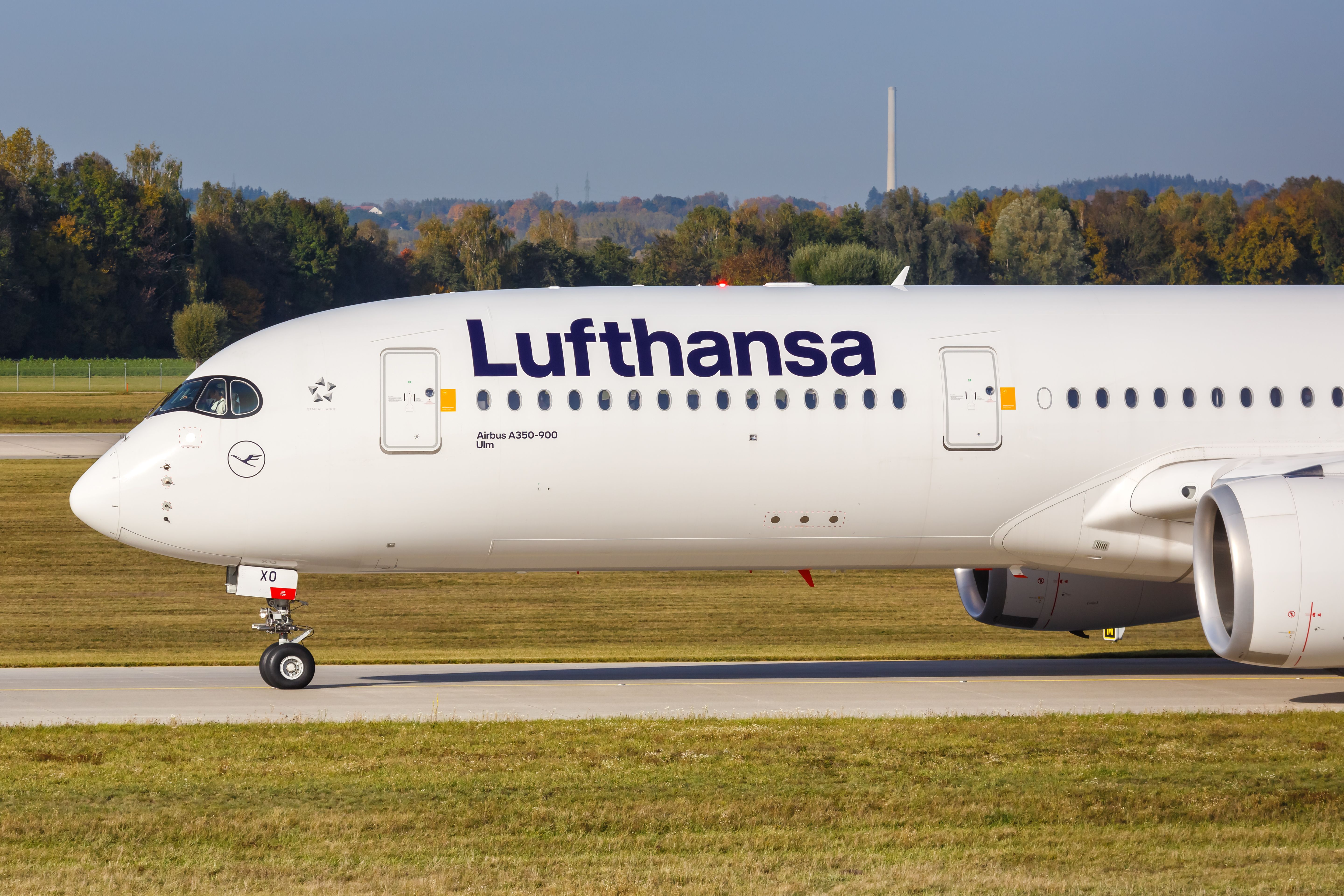
While newer aircraft have promised to run with lower carbon emissions, their engines run at cooler temperatures when compared to older generation aircraft. This results in more water vapor being produced at high altitudes, which is a key contributor to persistent contrails.
This is where the industry is sitting on a knife-edge, as while newer planes can promise lower CO2 emissions, they may produce more contrails than older aircraft. Some researchers suggest, however, that persistent contrails could outweigh CO2 savings in the short term. Flights operating at night, which are usually in cooler temperatures, are the prime ingredient for contrail production, meaning that in the darkness of night, it is the worst time for contrails to happen.
Contrail-induced cirrus clouds do have the possibility to contribute to a greater immediate warming effect when compared to carbon emissions; however, as a short-term, but potent contributor, it has to be weighed up against CO2, for which aviation accounts for almost 2.5% of global emissions. As reported by PHYS.ORG, airlines are now admitting that the production of contrails at high altitudes could be a factor in global warming, and airlines such as American, and  Southwest Airlines, are now looking at how and when these contrails are at their most harmful to the environment, and what can be done to reduce them.
How To Fix The Problem?
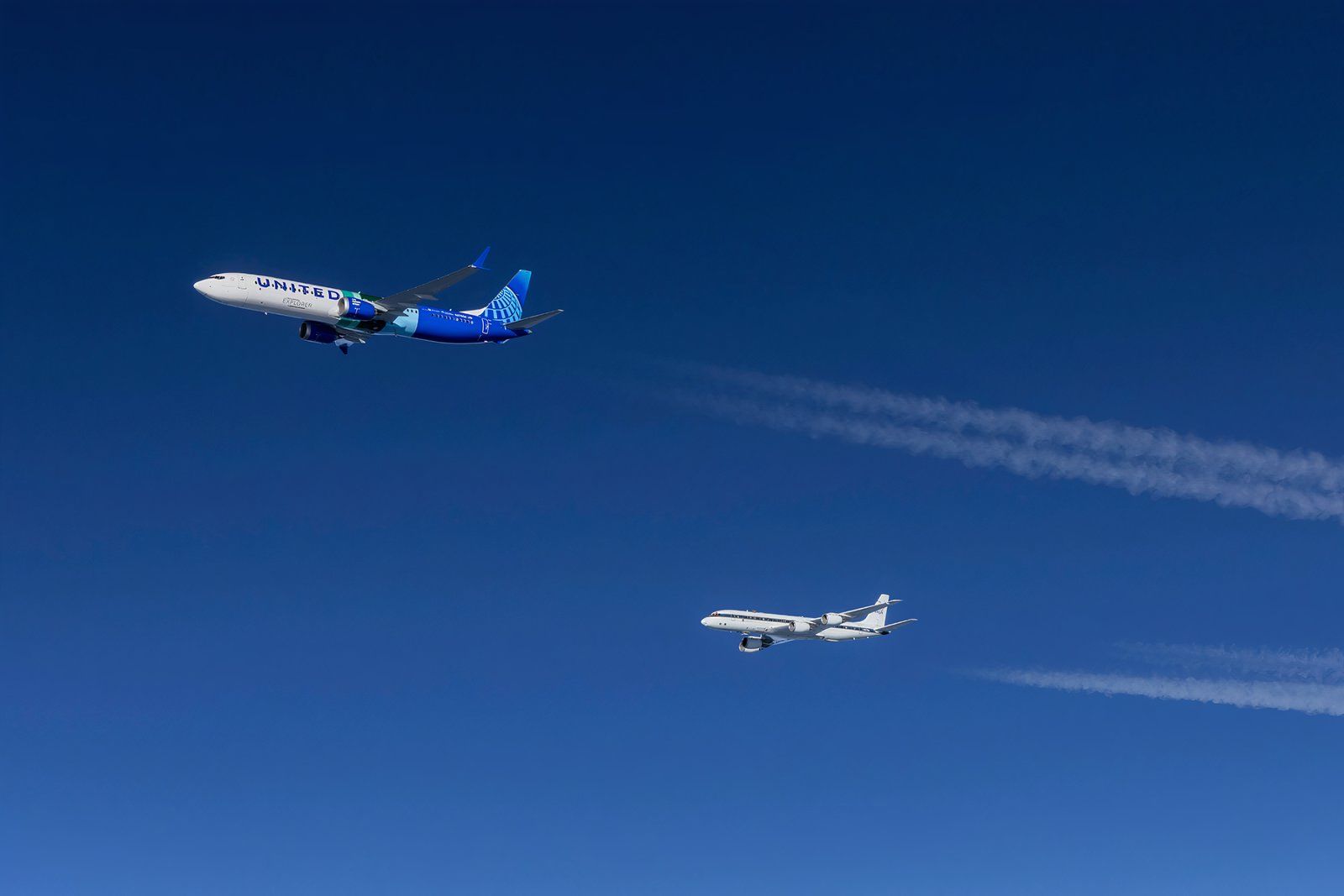
While there is no quick fix to the problem, there are a few adjustments that can be made to lower contrail formation. Avoiding humid air layers is the first step. If planes fly with small altitude changes, this could reduce the contrail warming by up to 50%, with minimal effect on the operating cost of the flight (i.e., fuel burn).
Sustainable aviation fuel (also known as SAF) has the chance to burn cleaner, which, as a result, reduces both CO2 and the contrail risk. With hydrogen power aircraft currently in development, this may eventually see the chance of contrails being eliminated in their entirety. Potential solutions outlined below:
|
Flight path |
|
|---|---|
|
Alternative fuel |
|
|
Weather routing |
|
|
Policy |
|
This is a complicated trade-off, with the solution being that there needs to be a balance of CO2 emission cuts, with developed contrail mitigation. This can be done by using newer, engineered, smarter new flight paths, and the adoption of cleaner, more sustainable fuel. Without the industry looking to address both issues, the climate progress within aviation could be undermined by this warming effect.
A Study Fears Rerouting Flights Could Lead To More Climate Warming
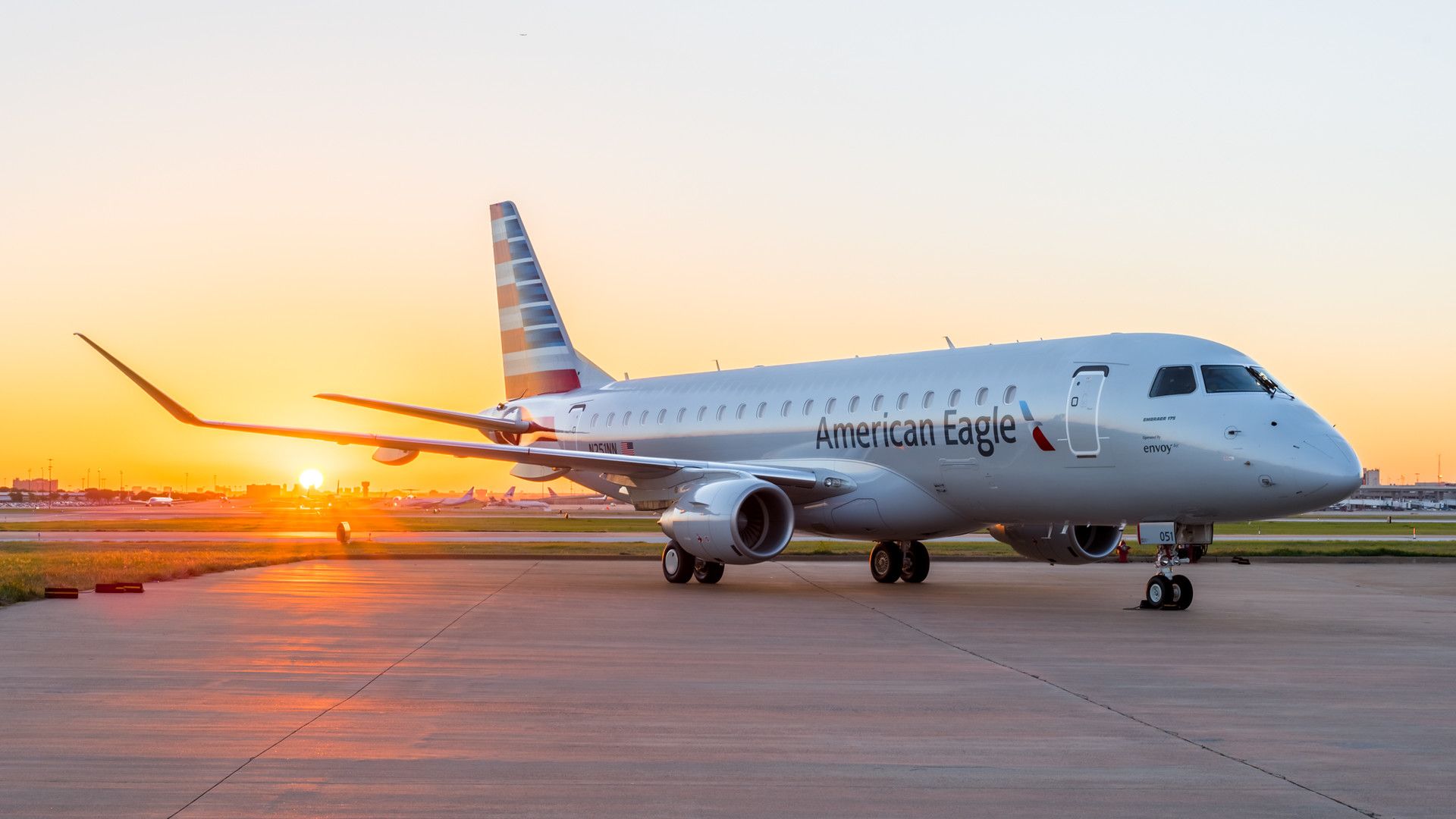
A study by the University of Reading and Sorbonne Université looked at the formation of contrails above the North Atlantic and feared that rerouting flights to avoid contrail creation could also inadvertently add to climate warming. The researchers found that for flights that form contrails, the benefit of avoiding this airspace would outweigh the extra carbon emitted if flying a different route.
These findings identify that regardless of contrail avoidance, it will result in increased CO2 emissions. The study looked at over half a million flights in 2019, and the carbon dioxide emissions from these flights, as well as the contrails that were formed.
Co-author of the study, Professor Nicholas Bellouin, from the University of Reading, shared his findings, which stated: “Rerouting flights to avoid contrails could in theory reduce the climate impact of aviation and make air travel more sustainable. Our findings lift a major obstacle against implementing contrail avoidance, but we now need better forecasting and real-world trials to make this work in practice.”
A Tough Decision To Make

To decide a path forward means a tough decision for airlines, aircraft manufacturers, and regulators, which is either to focus on reducing CO2 emissions, and risk the short-term warming of the earth, by acting on smarter flights, operating with new, sustainable, cleaner fuels, with better regulations and policy. Carbon offset programs, which many airlines offer their passengers the opportunity to contribute, could in addition include contrail mitigations. The existence of contrails could be more damaging over the next two decades than carbon emissions. However, solutions do exist, as we have already explained.
Transparency from airlines and supported research into contrail mitigation, needs to see regulations that will cover all climate impacts, that are not just limited to CO2. Without action, this once invisible threat could completely unravel the industry’s progress to lower carbon emissions from the growing demand of aviation and air travel.
The industry needs to find a new balance of how to manage CO2 reduction, alongside contrail mitigation. Fuel efficiency is critical not just for airline operations but also for long-term decarbonization of the aviation industry. Immediate action needs to be taken through research into cleaner fuels and smarter flight paths that can limit the effects of contrails. This will allow the industry to continue developing and becoming more sustainable, without the adverse effects of global warming.