
Architecture Now: Urban Updates from Madrid to L.A. on Climate, Policy, and Recovery


In recent weeks, cities around the world have introduced new policies, recovery efforts, and infrastructure projects that reflect growing pressure to adapt to climate realities. From Southern Europe to South America and the United States, these urban updates address both immediate challenges and long-term shifts in how the built environment is governed, designed, and inhabited. Some initiatives focus on regulation, tightening building codes in fire-prone areas or reforming aging safety systems, while others spotlight large-scale investments tied to global events such as COP30 and the Venice Architecture Biennale. This edition of Architecture Now gathers a selection of city-led actions and collaborative efforts that point toward a more resilient, responsive future for architecture and urban life.
Ahead of Venice Biennale, Spain and Italy Launch Architecture Manifesto on Climate Adaptation
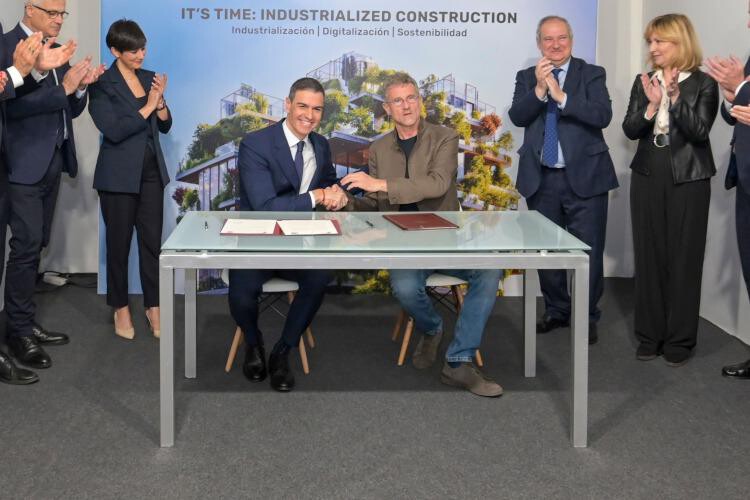
Just weeks before the opening of the 19th Venice Architecture Biennale, Spanish Prime Minister Pedro Sánchez and Biennale curator Carlo Ratti launched a new manifesto in Madrid calling on architects to prioritize climate adaptation. Titled Intelligens: Towards a New Architecture of Adaptation, the document urges a shift in architectural thinking, from focusing solely on reducing emissions to also designing buildings and cities that can withstand the growing impacts of climate change. The launch comes in response to events like the deadly 2024 floods in Valencia and aligns with the theme of this year’s Biennale. The manifesto is now open for public endorsement and has already been signed by several Biennale participants, including high-profile architects such as Jeanne Gang, Kengo Kuma, and Norman Foster.
Poll Finds Strong Support for Fire-Safe Building Reforms Across L.A. County
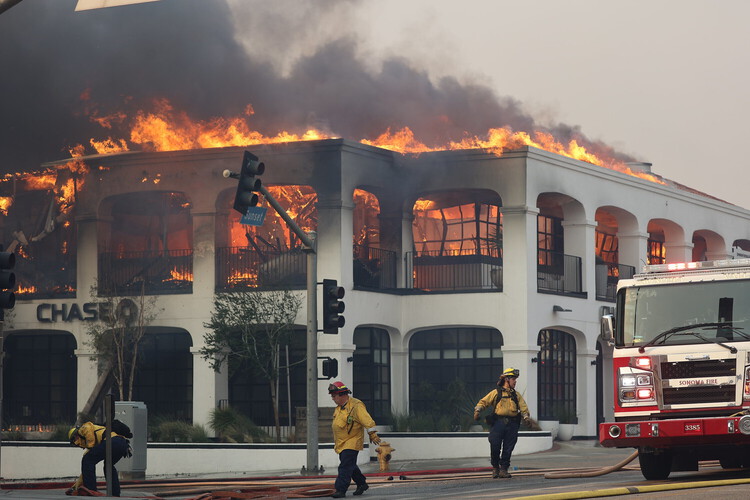
After January’s devastating Palisades and Eaton fires, a new UC Berkeley–LA Times poll shows strong support among L.A. County voters for tougher building codes and limits on construction in fire-prone areas. Eighty percent back stronger rules to make homes more fire-resistant, even if it raises costs. Nearly 70% favor restricting new homebuilding in high-risk zones. Support is especially strong in areas directly impacted by the fires, including Pacific Palisades and Altadena. The poll also found majority backing for building more high-density housing in urban cores and increasing fire protection funding, even if it means raising taxes. In contrast, most respondents opposed raising home insurance rates to expand wildfire coverage.
New York Launches Major Overhaul of Scaffolding Rules to Reclaim Public Space
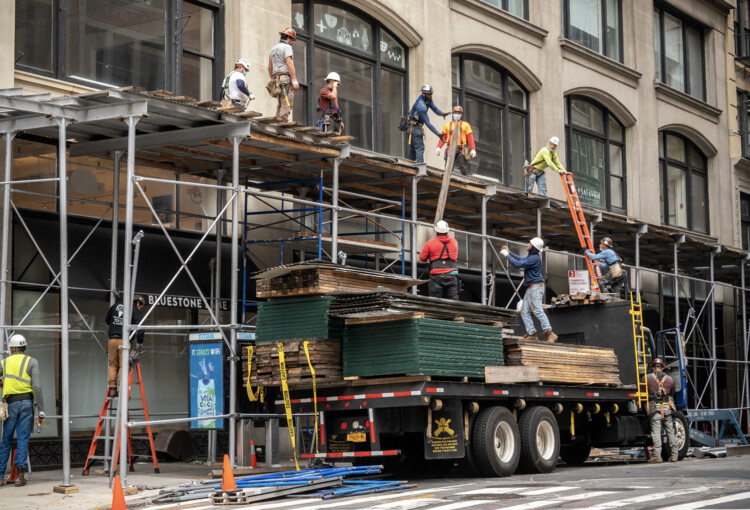
On April 17, 2025, New York City Mayor Eric Adams signed a suite of five bills aimed at reforming the city’s longstanding use of sidewalk sheds, often criticized for overstaying their welcome in public space. The legislation, part of the administration’s “Get Sheds Down” initiative, includes stricter timelines for repairs, new penalties for delayed façade work, expanded shed design options, improved lighting requirements, and updated façade inspection cycles. The changes give the Department of Buildings more oversight and flexibility in managing scaffolding systems, while encouraging faster removal of unnecessary sheds and promoting safer, better-lit, and more visually integrated alternatives. City officials and business groups view the move as a step toward reducing urban clutter and revitalizing the pedestrian realm without compromising safety.

A new four-lane highway is being constructed through protected areas of the Amazon rainforest near Belém, Brazil, to help manage traffic for the upcoming COP30 climate summit in November 2025. The road, part of a larger set of infrastructure projects tied to the event, has sparked criticism from local residents and environmental groups who say it contradicts the summit’s climate goals. While state officials say the project includes “sustainable” features like solar lighting and wildlife crossings, the deforestation has already displaced local communities and raised concerns about long-term damage to biodiversity and forest ecosystems.
Utah Architecture Students Help LA Fire Victims Jump-Start the Rebuilding Process
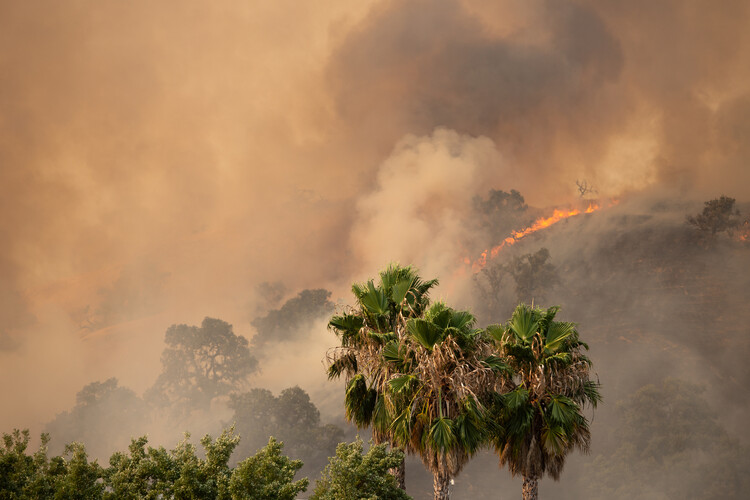
In response to the Eaton Fire that destroyed over 9,000 structures in Altadena and Pasadena, 24 architecture students from Utah Valley University spent their spring break helping affected homeowners begin the rebuilding process. Led by Professor Gordon MacKay, the students visited 32 properties to measure foundations and collect data, which they are now using to create digital drawings of the original homes. These scaled models are meant to support insurance claims and reduce design costs by giving local architects a clear starting point. The effort, funded by the university, was sparked by students who wanted to offer practical help in the aftermath of the disaster.
This article is part of our curated News Compilation series, Architecture Now, showcasing unbuilt projects from renowned architectural firms. Through concise updates, we aim to provide a snapshot of emerging architectural ideas and concepts. At ArchDaily, we welcome contributions from readers—if you have a project or idea to share, feel free to contact us.