
90% diesel cut drives Norway fish farm to scale floating solar energy
Norwegian salmon and trout producer Emilsen Fisk ordered a second floating solar power plant after the first system, installed just a couple of weeks ago, exceeded expectations by reducing diesel use by 90 percent.
The innovative solar solution, developed by Ålesund-based green energy company Alotta, was implemented at Emilsen Fisk’s Båfjordstranda site in Trøndelag, Norway, making it the world’s northernmost floating solar installation.
Known as the Alotta Circle Mc120, the system uses a combination of high-efficiency solar panels and battery storage to cover nearly all of the farm’s energy demand without requiring grid access or consistent diesel generator use.
“We were curious to see how solar power would perform in real conditions – and we got the answer quickly,” Roy Emilsen, managing director of the company, said, underscoring that they’ve hardly used the diesel generator following the system’s installation.
Sustainable fish farming
The innovative solution has made a noticeable impact at the site by cutting costs, lowering emissions, and improving overall conditions at the farm. Encouraged by the results, the company has now ordered a second system.
Emilsen says the second floating solar unit will be delivered this fall. It will first be installed at a different location before eventually being relocated to Båfjordstranda to support the farm’s goal of moving closer to full renewable energy coverage.
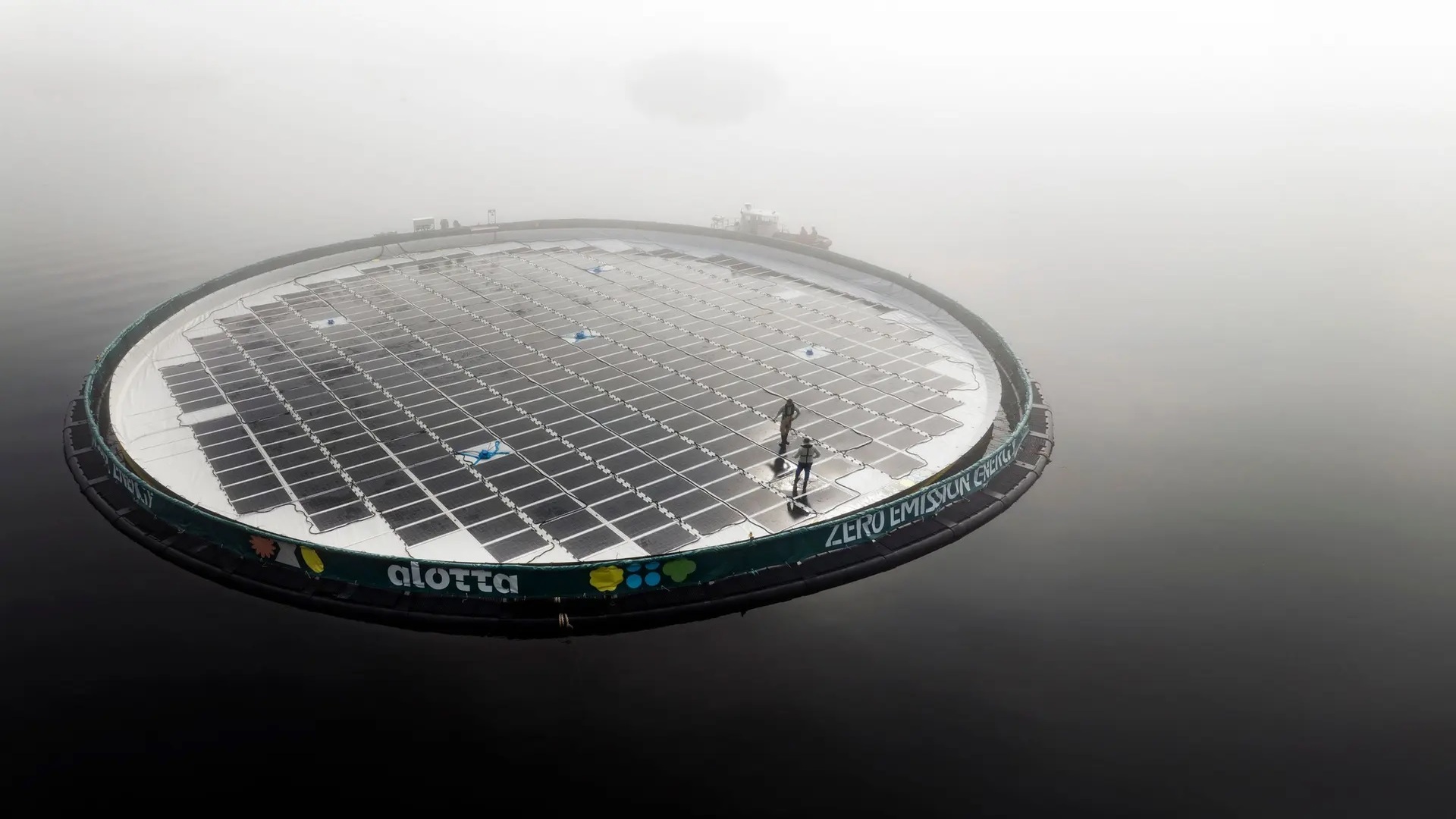
Credit: Alotta / Marius Beck Dahle
The system combines floating photovoltaic panels with onboard battery storage. It delivers self-sufficient power, which makes it particularly well suited for aquaculture facilities in remote coastal areas.
“This is a clear sign of the shift happening in aquaculture,” Kari-Elin Hildre, Alotta’s chief executive, emphasized. “A new energy reality is emerging – in places where diesel used to rule, we now see quiet, renewable energy coming from solar and battery systems.”
Renewable future ahead
The Norwegian solar government agency is dedicated to advancing sustainable energy. It reported that it partially funded the solar system and covered 45 percent of the initial systems. By helping Emilsen Fisk reduce the costs, the agency aims to encourage other fish farms in similar locations to adopt clean energy solutions.
Meanwhile, Erik Rongved, Alotta’s chief technology officer, highlighted the system’s effectiveness, noting that with appropriate system design, solar and battery technology can meet the majority of energy demands. “This leads to lower operating costs, less maintenance, and a better everyday experience for staff,” Rongved continued.
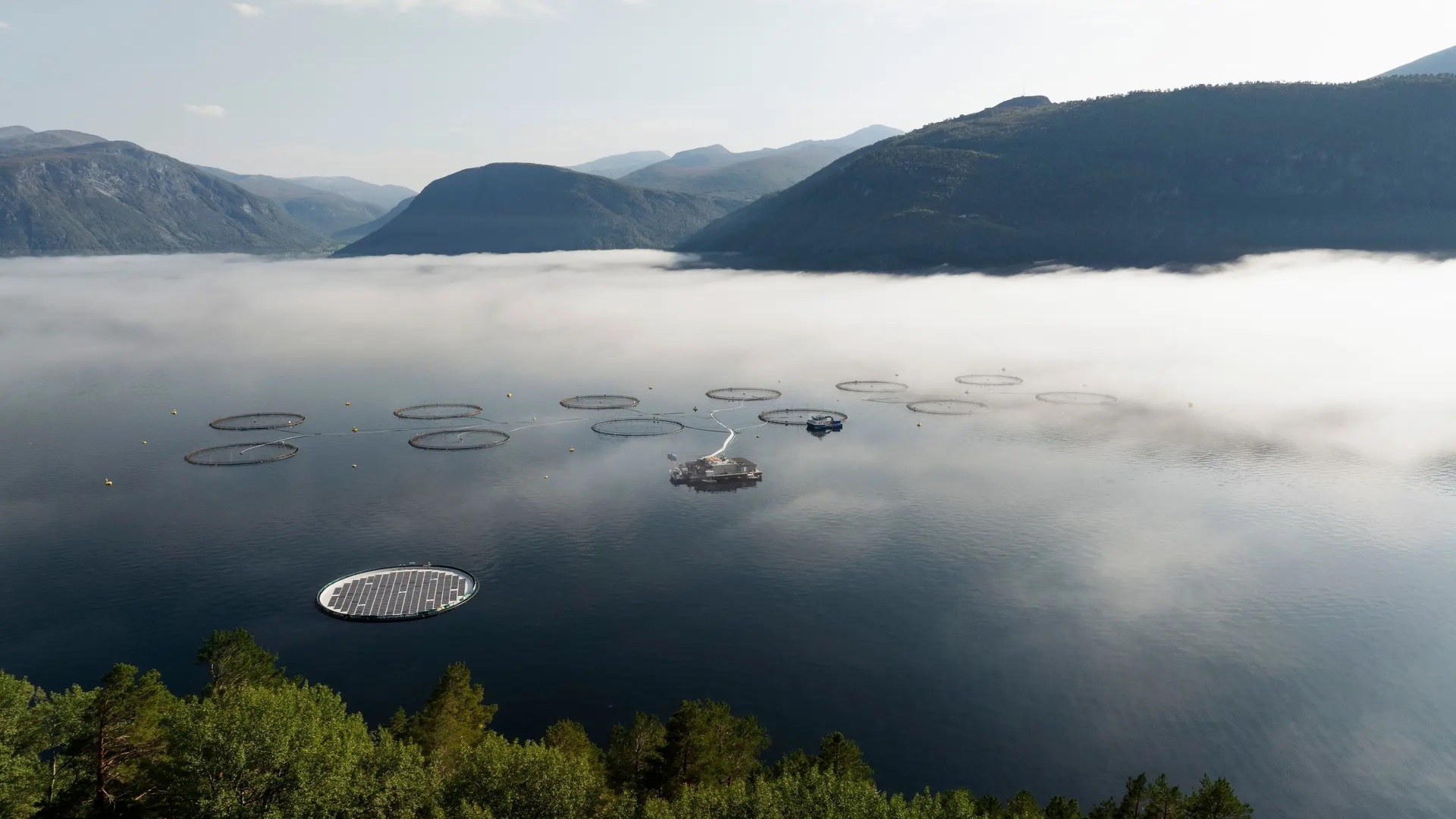
Credit: Alotta / Marius Beck Dahle
Daylight in Trøndelag varies greatly throughout the year, ranging from less than five hours in January to more than 20 hours during the summer. Although the system produces less power in winter, it continuously generates enough energy thanks to its advanced technology designed to perform efficiently even in low-light conditions.
“So, while production is reduced in the darkest months, the system does not go completely offline and will still contribute useful power, especially on clear days,” Egil Hjelmeland, Alotta’s chief sales officer, said in a statement.
Hildre stated that the company’s mission is to make a difference by showing that it’s possible to reduce emissions while enhancing everyday life for people, nature, and the aquaculture industry. “When our customers come back for more, we know we’re on the right track,” the chief executive noted.