63 nations agree on greenhouse gas tax
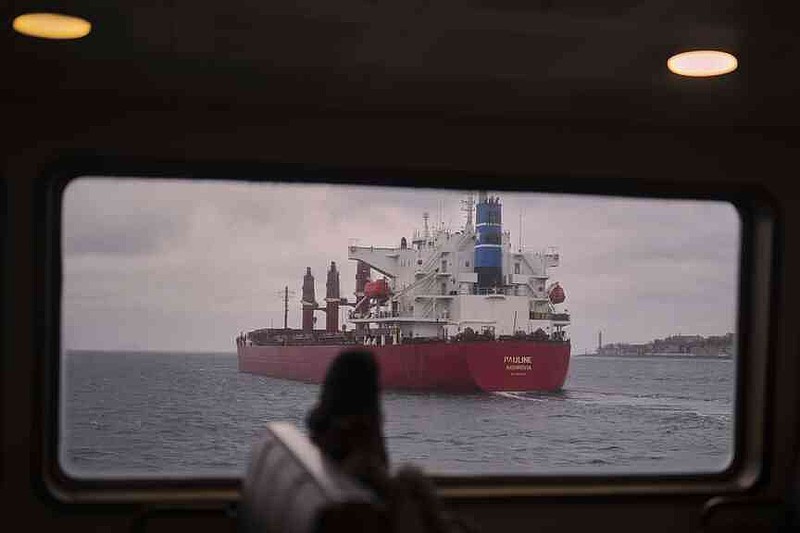
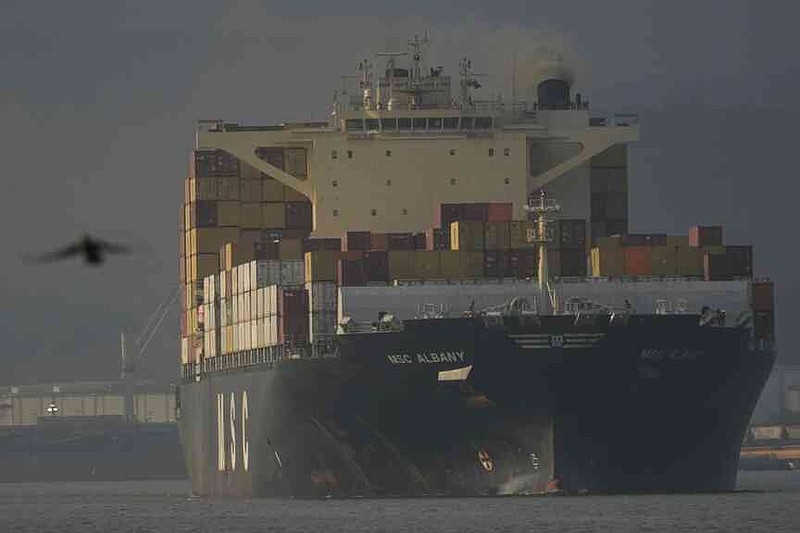
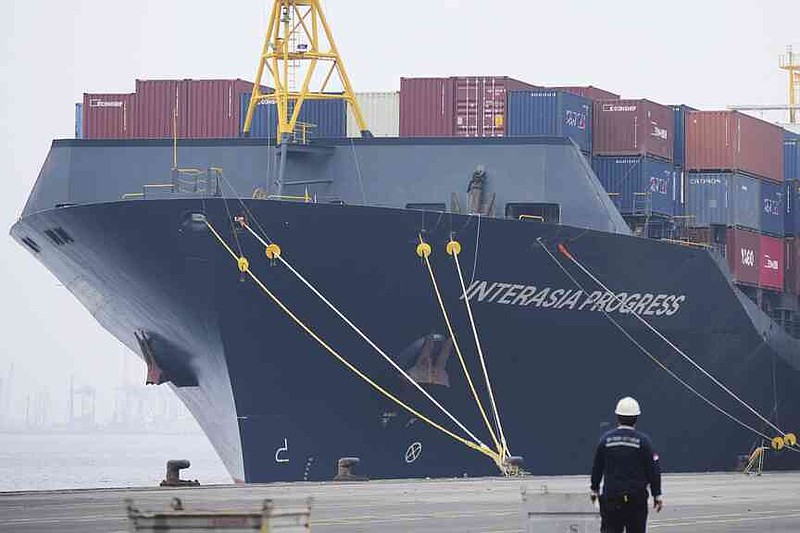
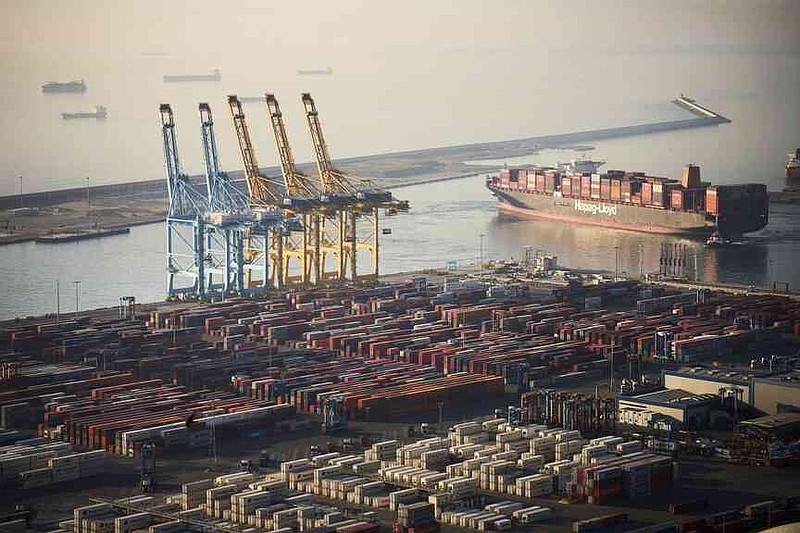
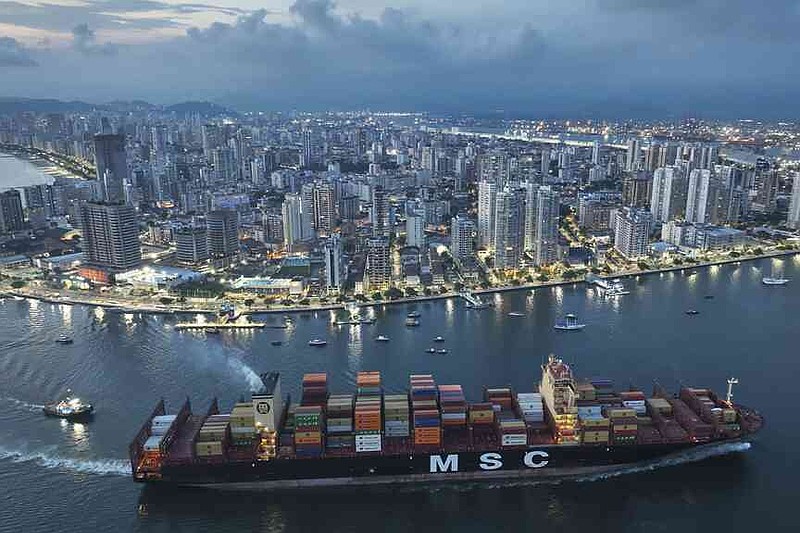
Many of the world’s largest shipping nations decided Friday to impose a minimum fee of $100 for every ton of greenhouse gases emitted by ships above certain thresholds, in what is effectively the first global tax on greenhouse gas emissions.
The International Maritime Organization (IMO) estimates $11 billion to $13 billion in revenue annually from the fees, with the money to be put into its net zero fund to invest in fuels and technologies needed to transition to green shipping, reward low-emission ships and support developing countries so they aren’t left behind with dirty fuels and old ships. The thresholds set through the agreement will get stricter over time to try to reach the IMO’s goal of net zero across the industry by about 2050.
The agreement, reached with the United States notably absent, is expected to be formally adopted at an October meeting to take effect in 2027. The IMO, which regulates international shipping, also set a marine fuel standard to phase in cleaner fuels.
IMO Secretary-General Arsenio Dominguez said the group forged a meaningful consensus in the face of complex challenges to combat climate change and modernize shipping. The shipping industry is on track to meet the net zero goal, he added.
Some environmentalists at the meeting called the agreement a “historic decision” that doesn’t go far enough. The fee doesn’t drive enough emission reductions and it won’t raise enough revenue to help developing countries transition to greener shipping, said Emma Fenton, senior director for climate diplomacy at U.K.-based climate change nonprofit Opportunity Green.
Fenton said the measure actually opens the door for a scenario where ships can pay to pollute instead of decarbonize, because it could be cheaper to simply absorb the fee than to make changes to reduce emissions, like switching fuels.
Other groups welcomed the agreement as a step in the right direction.
“By approving a global fuel standard and greenhouse gas pricing mechanism, the International Maritime Organization took a crucial step to reduce climate impacts from shipping. Member states must now deliver on strengthening the fuel standard over time to more effectively incentivize the sector’s adoption of zero and near-zero fuels, and to ensure a just and equitable energy transition,” said Natacha Stamatiou of the Environmental Defense Fund.
The Marine Environment Protection Committee, which is part of the IMO, has been in meetings all week in London and finalized its decision Friday.
One major issue during the meetings was the way the fee would be charged. More than 60 countries entered the negotiations pushing for a simple tax charged per metric ton of emissions. They were led by Pacific island nations, whose very existence is threatened by climate change.
Other countries with sizable maritime fleets — notably China, Brazil, Saudi Arabia and South Africa — wanted a credit trading model instead of a fixed levy. Finally, a compromise between the two models was reached. The compromise is in the ambition of the measure, since the fee is not a universal levy on all emissions.
Sixty-three nations, including China, Brazil, South Africa and many European states, approved the agreement. Led by Saudi Arabia, 16 opposed. And 24 nations, including a group from the Pacific Islands, abstained. Ministers from the island nations said they refused to support an agreement that would “do too little, too late to cut shipping emissions and protect their islands,” and will try to strengthen it at the October meeting.
“We came as climate-vulnerable countries — with the greatest need and the clearest solution. And what did we face? Weak alternatives from the world’s biggest economies,” said Simon Kofe, Tuvalu’s minister for transport, energy, communication and innovation, in a statement.
The United States didn’t participate in the negotiations in London and urged other governments to oppose the emission measures being considered. The Trump administration said it would reject any efforts to impose economic measures against its ships based on emissions or fuel choice, which it said would burden the sector and drive inflation. It threatened possible reciprocal measures if any fees are charged.
When asked about the United States’ position, Dominguez said large ships traveling between different countries are obliged to comply with the IMO’s regulations. He said nations with concerns should engage with the IMO, to move forward together.